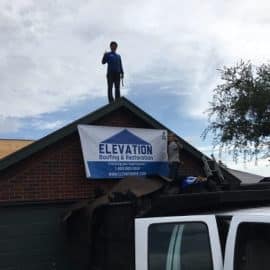
In League City, your roof does not get an easy life. Sitting between Clear Lake and Galveston Bay, a home here faces the full Gulf Coast lineup: hurricane-force gusts, wind-driven rain, sub-tropical humidity that never lets decking fully dry, salt-tinged air, and a hail season that can bruise a roof in minutes. A roof that looks perfectly fine from the driveway can already be failing where you cannot see it. That is the entire reason a real roof inspection and assessment in League City, TX matters — not a glance from the curb, but a structured, top-to-attic evaluation that tells you exactly where your roof stands before the next named storm makes the decision for you.
This guide walks through what a genuine professional assessment actually examines, the report you should walk away with, and why timing it right on the Gulf Coast can be the difference between a covered insurance claim and an out-of-pocket replacement. Elevation Roofing & Restoration serves League City and more than 100 communities across the Greater Houston and Austin metros, so we know precisely what this coastline does to a roof.
Why League City Roofs Need Closer Scrutiny
Plenty of Texas towns deal with heat and hail. League City deals with all of that plus the bay. The proximity to the water changes the threat profile in ways that matter for an inspection:
- Wind uplift is the headline risk. Tropical storms and hurricanes find the edge of any shingle whose adhesive has softened in the heat, lift it like a sail, and peel its neighbors along with it.
- Persistent humidity keeps attics and decking damp, which feeds wood rot and mold anywhere a flashing detail or pipe boot has already failed.
- Salt-laden air near the bay accelerates corrosion on fasteners, flashing, and metal components faster than it would inland.
- Hail bruises shingles without leaving an obvious hole, fracturing the mat underneath so the damaged spot fails months later.
Each of those leaves a different signature, and a trained inspector is reading for all of them at once. A quick look for missing shingles misses most of it. For homeowners in the area, our League City service page covers exactly how we approach this coastal climate.
What a Professional Roof Assessment Actually Examines
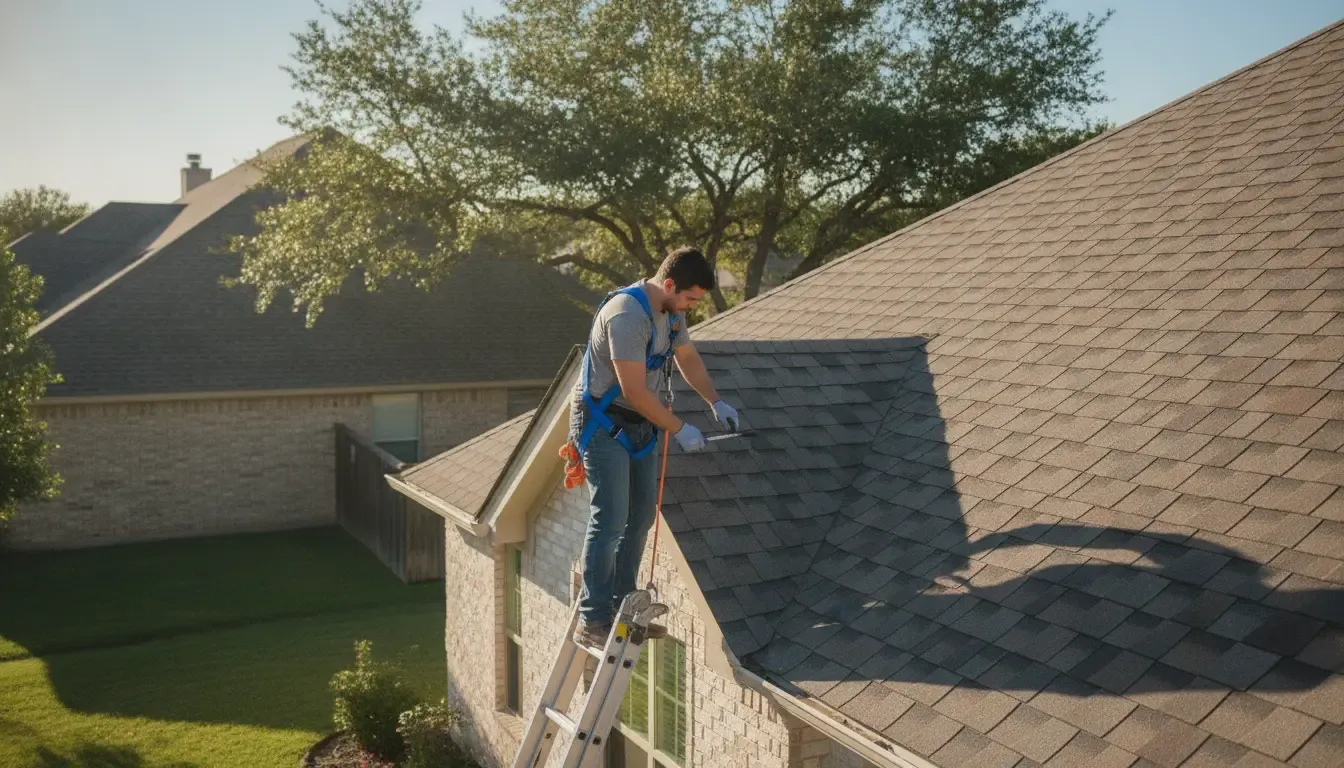
A roof is a system, not just a layer of shingles, and a real roof inspection evaluates every part of that system. Here is what a thorough on-site assessment covers.
1. The Roof Surface
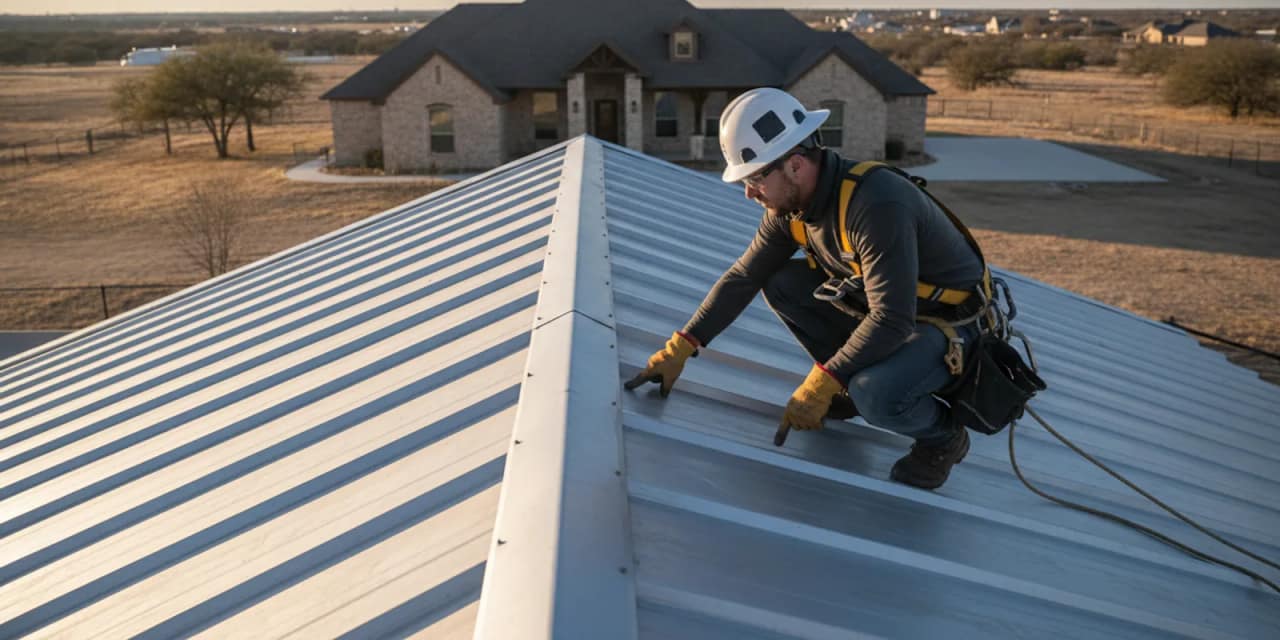
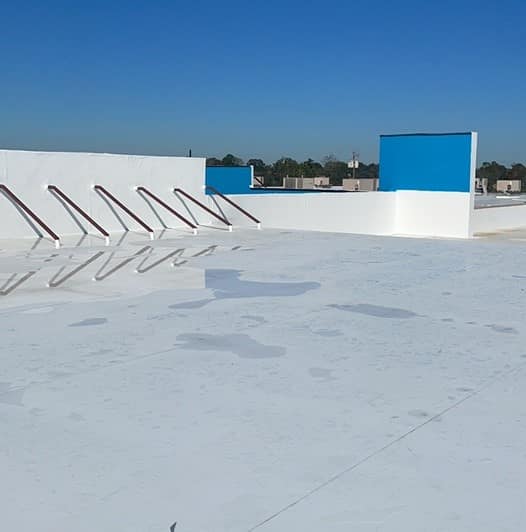
The inspector starts with the field of the roof: cracked, curling, lifted, or missing shingles; granule loss that exposes the asphalt below; and hail bruising that you cannot spot from the ground. On metal, tile, or flat and low-slope systems, the surface checks change — loose panels and failed sealant on metal, cracked or slipped tiles, and ponding or seam separation on flat membranes — but the principle is the same: find the damage before water does.
2. Flashing and Penetrations
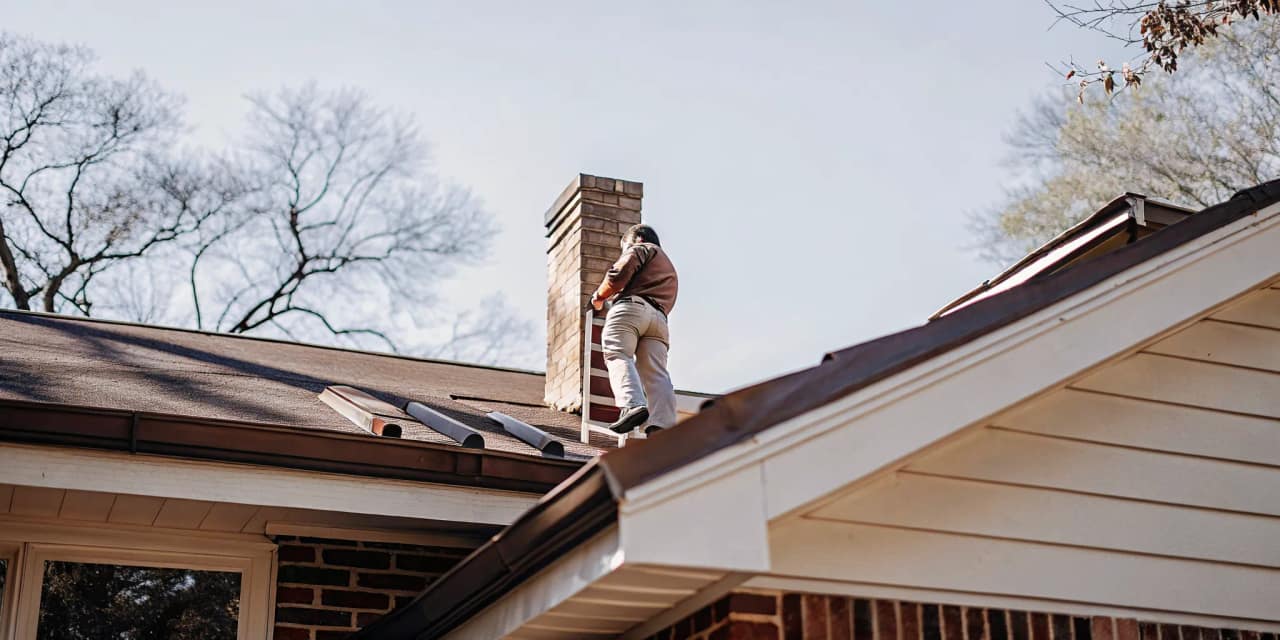
The metal seals around chimneys, skylights, vents, and valleys are statistically the most common entry point for leaks. On the Gulf Coast, salt air corrodes these faster, and wind works them loose. A careful assessment probes every penetration and valley, because a single failed pipe boot can route water straight into your attic.
3. Drainage and Gutters
When several inches of rain fall in a League City afternoon, your drainage is tested all at once. The inspector checks gutters, downspouts, and roof slope for standing water and overflow that quietly rots fascia and undermines the foundation. Failing gutters are often the cue to look at gutter repair or replacement before the next downpour.
4. The Attic and Ventilation
This is where coastal damage hides. From inside the attic, an inspector looks for daylight through the decking, moisture stains, mold growth, soft or sagging decking, and inadequate airflow that traps humidity and heat. In League City's climate, poor ventilation cooks shingles from below and lets trapped moisture rot the structure from the inside out, long before anything shows on the surface.
5. Structure and Fasteners
Finally, the assessment looks at the bones: sagging roof planes, soft decking, and fasteners that have pulled loose from wind cycling. These signal deeper problems that a surface repair would only paper over.
The Report You Should Walk Away With
An inspection is only as valuable as what it leaves you holding. A driveway opinion is worthless when you are filing an insurance claim or selling your home. A proper League City roof assessment should give you documentation, not just a verbal "looks okay." Insist on:
- A written condition report that lists each finding and where it is located on the roof.
- Photo evidence of any damage, dated and tied to specific areas — critical for an insurer.
- A clear recommendation: minor repair, a maintenance plan to extend the roof's life, full replacement, or honest confirmation that you have years of service left and need nothing.
That documentation is also your protection. Insurance covers sudden, accidental damage — not the slow decay a homeowner could reasonably have caught. A dated inspection history is part of how you keep a future storm or hurricane damage claim from being denied as wear and tear.
Timing Matters More on the Gulf Coast
In a mild climate, a once-a-decade glance might be survivable. League City does not offer that luxury. We recommend a professional assessment twice a year — ideally before hurricane season in late spring and again after winter — plus after every major hail event or named tropical system.
The reason is the insurance clock. Hurricane and hail damage is often invisible from the street yet very real beneath the surface, and claim windows close faster than most homeowners expect. The longer storm damage sits undocumented, the easier it becomes for an adjuster to call it old wear rather than a covered loss. Catching it early means you repair on your schedule, with the evidence in hand, instead of scrambling for an emergency crew the week a system is forecast for the bay.
Don't Guess About Your Roof — Know
The cheapest, smartest thing any League City homeowner can do is learn the true condition of their roof before a storm forces the issue. As a GAF Preferred Contractor with 9-plus years serving the Texas Gulf Coast, RhinoRoof certification, a 5-star Google rating, and a 100% satisfaction guarantee, Elevation Roofing & Restoration delivers a real assessment — documented, photographed, and explained in plain terms. If we find storm or hail damage, we work directly with your insurance company on the claim. If your roof is sound, we will tell you that too.
Schedule your free roof inspection, a $399 value, or contact our team at (832) 271-1726. See why your neighbors trust us on our reviews page, and get a straight read on your League City roof before the next storm tests it.