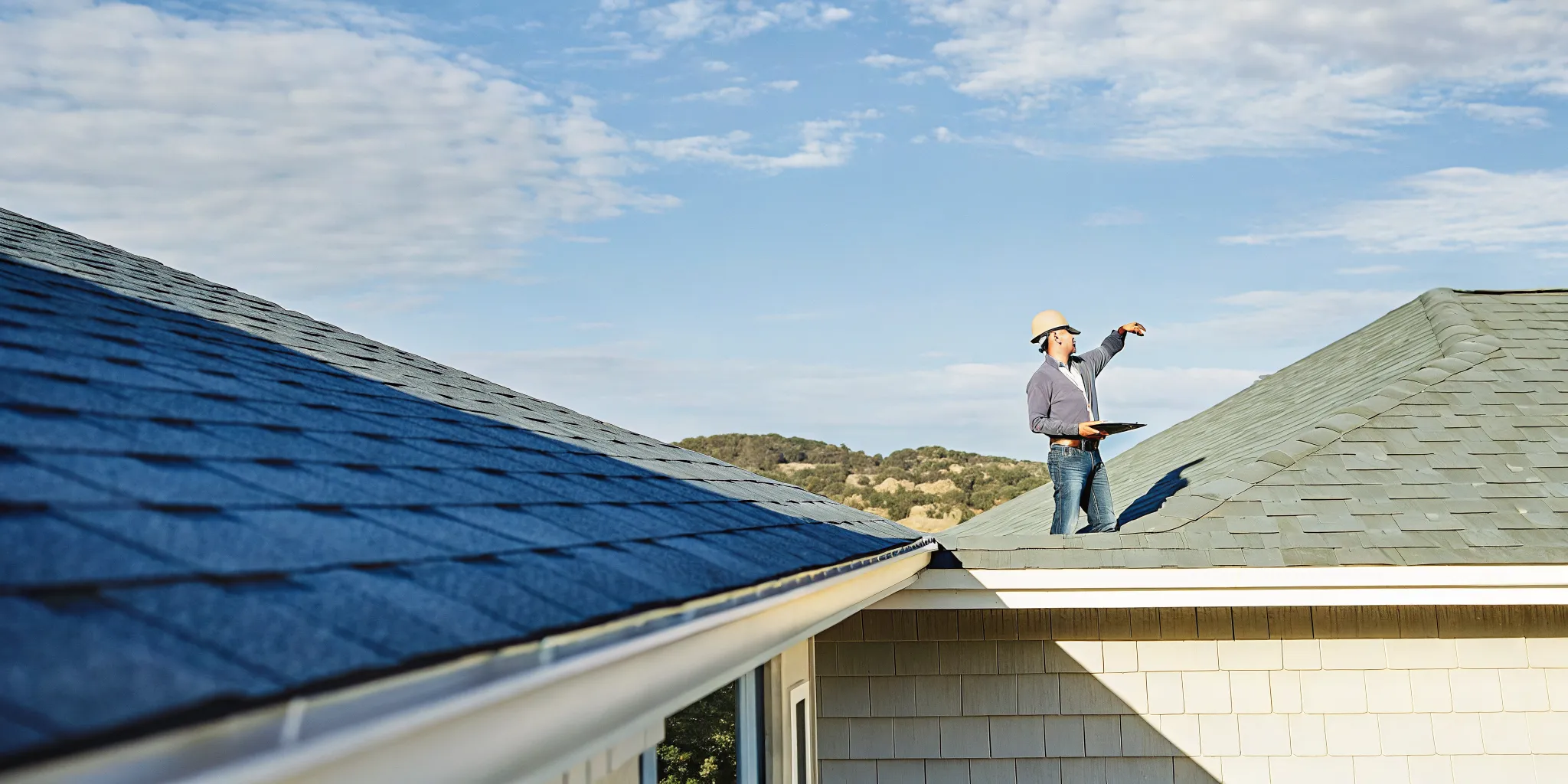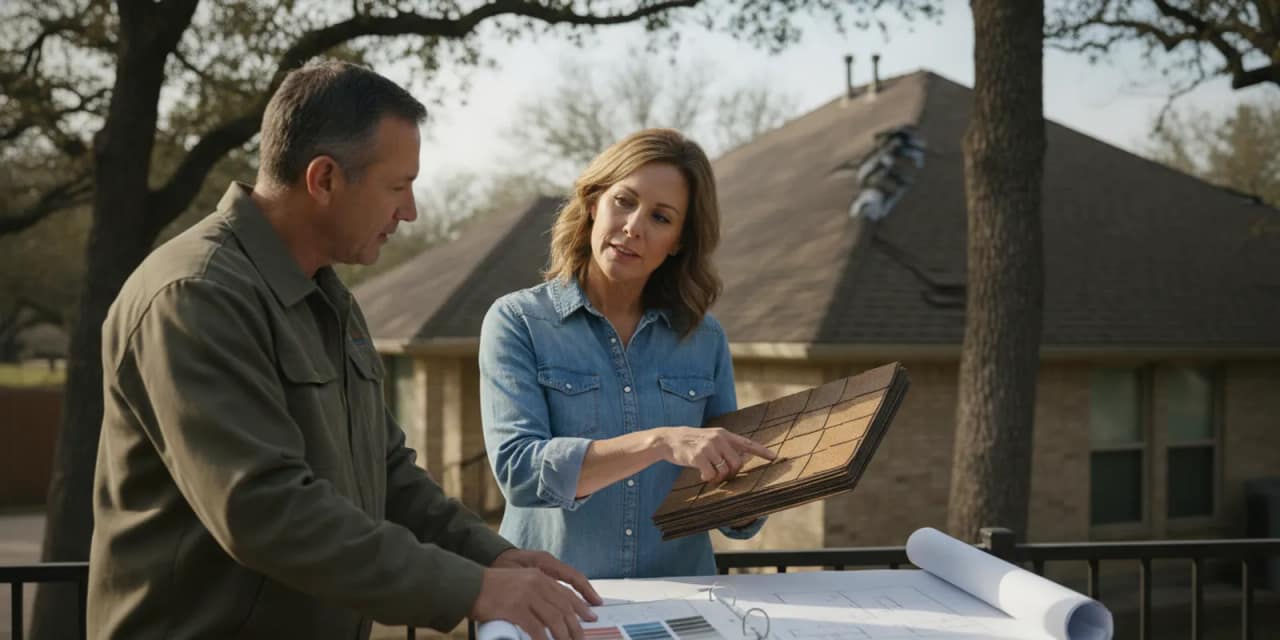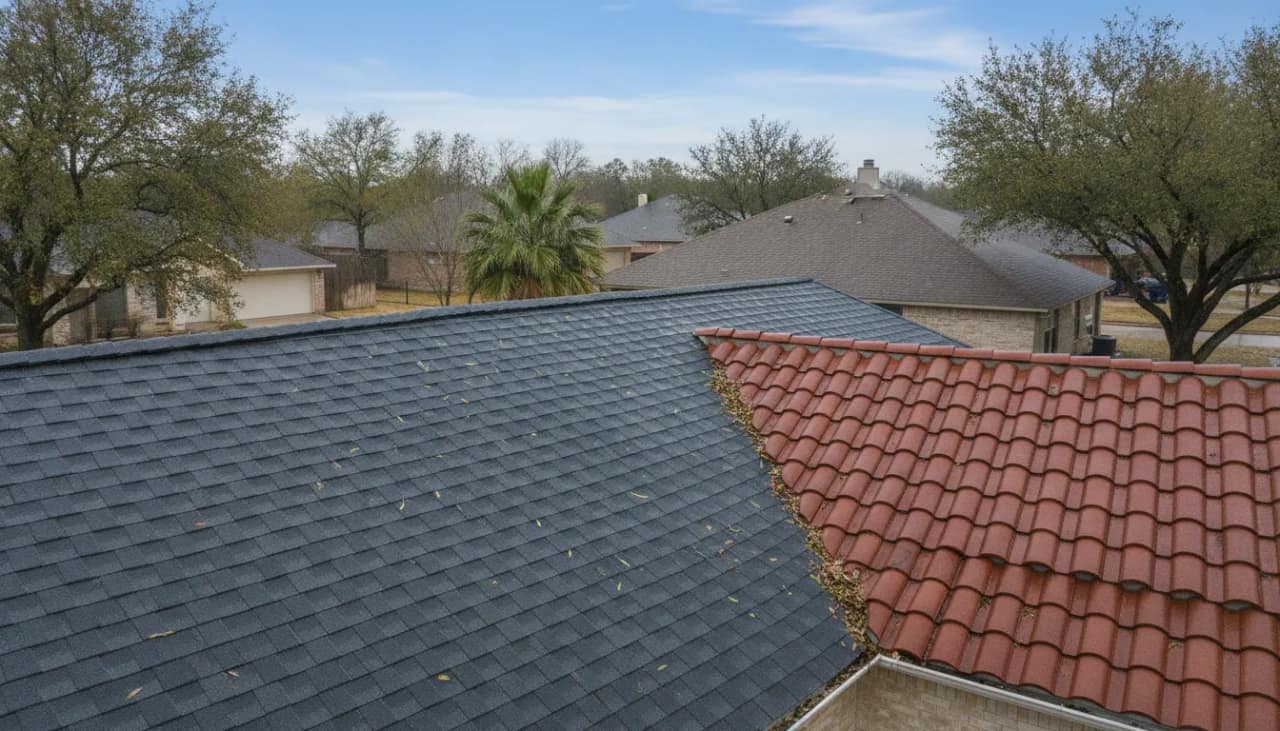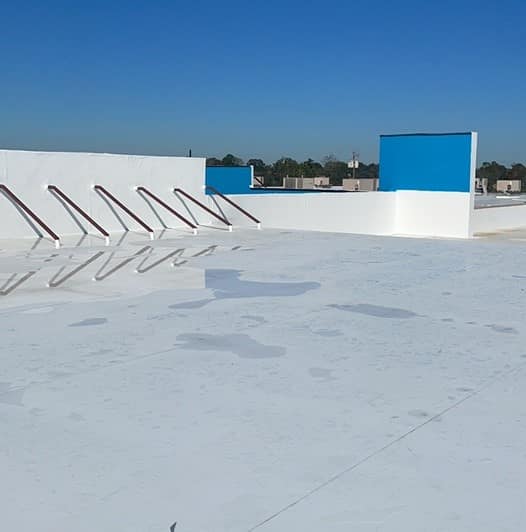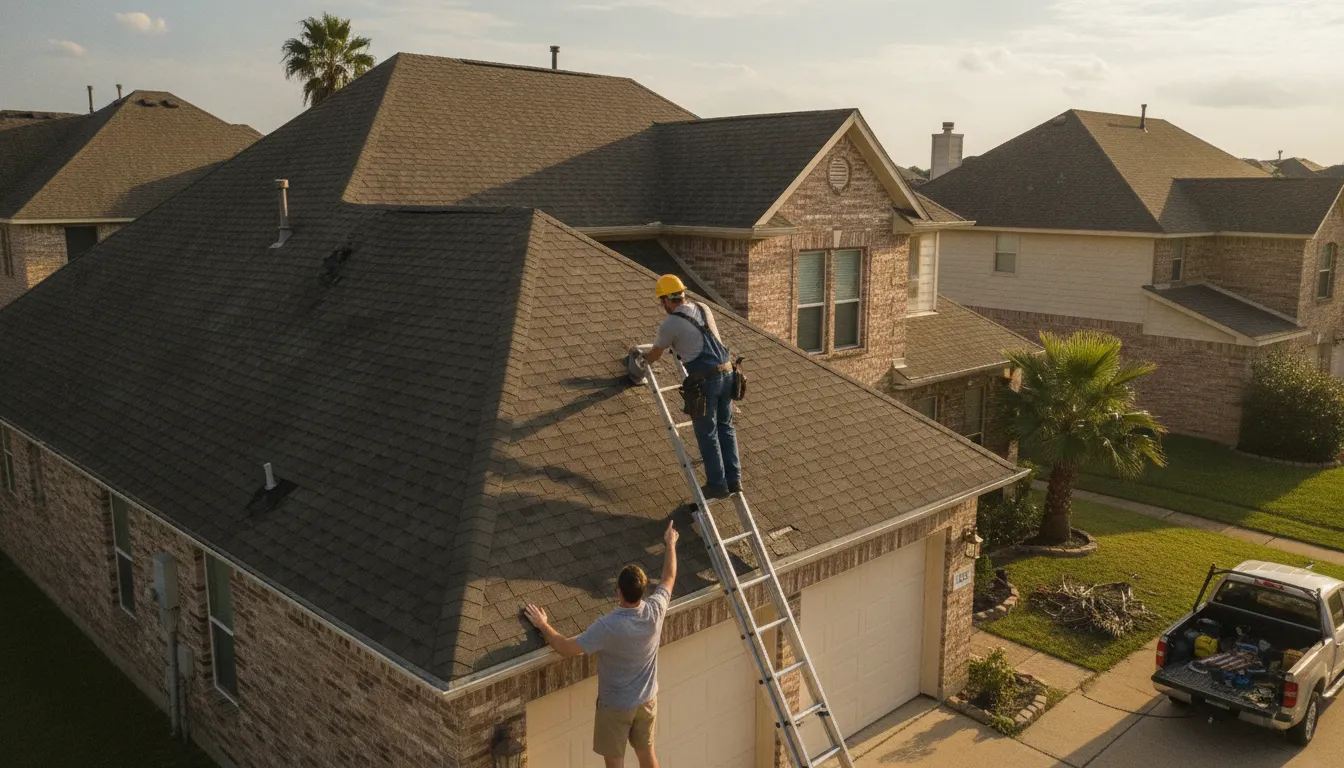
After a Texas hailstorm, wind event, or period of heavy rain, roof damage may not be obvious from the driveway. Missing shingles, bruised surfaces, damaged flashing, clogged gutters, and interior water stains can all affect the next step in an insurance claim. A roof inspection for insurance helps turn those observations into organized, location-specific evidence without asking you to climb onto an unsafe roof.
Call Elevation Roofing & Restoration at (832) 271-1726 for a free roof inspection.
A roof inspection for insurance documents visible and potential storm damage, records the roof's condition, and gives you organized information to discuss with your insurer. It does not guarantee coverage. Your policy and insurance company determine whether a loss is covered and what payment, if any, applies.
This guide focuses on the preparation and documentation stage for homeowners in Houston, Austin, and nearby Texas communities. It explains what a professional may examine, what to photograph from a safe location. How an adjuster's role differs from a roofer's, and how to keep the claim process focused on facts.
What Does a Roof Inspection for Insurance Document?
A roof inspection for insurance documents the roof and related property conditions at a particular point in time. A qualified roofing professional may identify storm-related observations, note areas that need closer review, and photograph the location of each finding. The resulting report can help you explain the condition of the roof to your insurer. But it is not a coverage decision or a substitute for reading your policy.
For Texas policyholders, the Texas Department of Insurance storm-damage FAQ is a useful starting point for general claim questions. Requirements and timelines can vary by policy and loss. Ask your insurer what it needs, then keep the request and your response with the claim records.
What a professional may inspect
A thorough inspection looks at the roof as a system rather than only searching for a missing shingle. Depending on access and safety, the inspector may review:
- Shingles, tiles, or metal panels for displacement, cracks, dents, bruising, tears, or unusual granule loss.
- Flashing around walls, chimneys, valleys, vents, skylights, and other transitions where water can enter.
- Roof edges, ridges, eaves, rakes, and valleys that may be exposed to wind uplift or hail impact.
- Pipe boots, vent covers, fasteners, seals, and other roof accessories.
- Gutters and downspouts for dents, debris, granules, or drainage concerns.
- Safely accessible attic and interior areas for stains, damp materials, bubbling paint, or other signs of water intrusion.
Hail damage can be subtle. A roof may have bruised shingles or granule loss without a dramatic hole. Wind can lift or loosen materials while leaving the roof looking mostly intact from the ground. The inspection should identify what was observed, where it was observed, and what could not be safely evaluated.
Why condition and timing matter
Insurance reviews often consider the cause of loss, the roof's condition, prior repairs, and the terms of the policy. Keep any available records showing roof age, prior inspections, maintenance, repairs, and improvements. A report that separates possible storm damage from older wear helps everyone discuss the same evidence. It should not assume that roof age alone proves the cause of a problem.
Elevation Roofing's professional roof inspection service can provide a construction-focused assessment for property owners who need a clearer picture of roof conditions. That assessment remains separate from the insurer's coverage determination.
How Should You Prepare Before a Texas Insurance Inspection?
Preparation begins with safety. Do not climb onto a roof after a storm, especially when materials are loose, surfaces are wet, or the roofline is steep. From the ground, record what you can see and arrange professional help for areas that require roof access. The Texas Department of Insurance also advises property owners to protect the home from additional damage and document conditions as part of the claim process.
- Check for immediate hazards. Look for downed power lines, unstable trees, standing water near electrical equipment, damaged ceilings, and active leaks. Keep people away from unsafe areas. If there is an immediate threat to life or property, contact the appropriate emergency service before arranging a roof inspection.
- Photograph the property before cleanup. From a safe position, take wide images of each visible roof slope, gutters, siding, windows, fences, trees, and debris. Add closer images when you can do so without climbing. Include interior ceilings, walls, flooring, and belongings affected by water.
- Write down what changed. Record the storm date, when you first saw damage, where water entered, and whether conditions changed afterward. Note temporary measures, areas you could not access, and any pre-existing issue you already knew about.
- Gather claim and roof records. Keep your policy number, insurer and agent contact information, claim number, prior inspection reports, repair invoices, maintenance records, and photos in one folder. Save original image files and back them up.
- Ask the insurer what happens next. Report the loss according to your policy and ask how to submit photographs, videos, receipts, reports, and estimates. Confirm the adjuster's appointment, the areas that need access, and whether another inspection is required.
Do not discard damaged materials or make permanent repairs before asking what the insurer needs, unless immediate action is necessary to protect people or prevent additional damage. Temporary mitigation should be limited to work that can be performed safely. Keep receipts and photograph the condition before and after any temporary measure.
The Texas Department of Insurance's guidance for homes damaged by a storm provides Texas-specific reminders about safety, documentation, and protecting a property after a loss.
What Do Inspectors Look For After Hail or Wind?
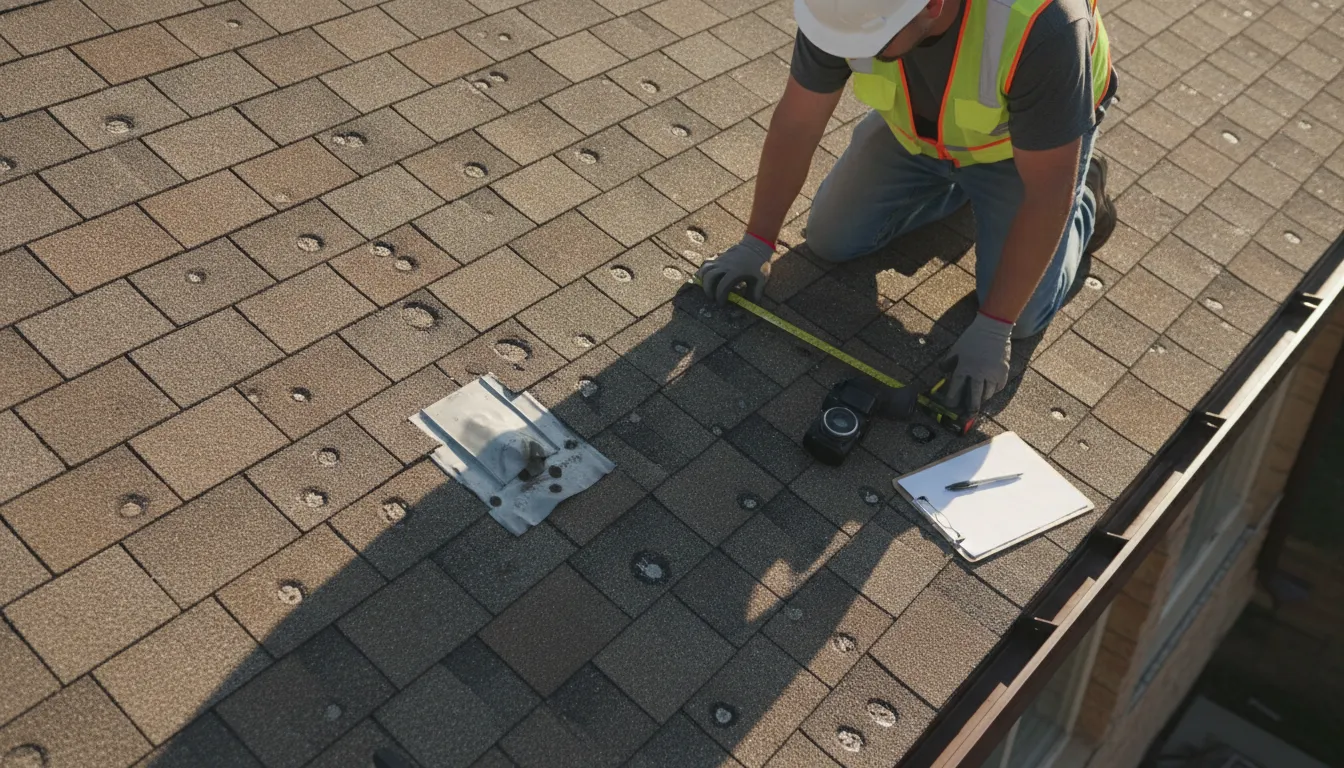
After hail or wind, an inspector looks for physical evidence that can be connected to a roof area and a possible storm event. The inspection does not prove coverage by itself. It creates a clearer record for the property owner and gives the insurer technical information to consider alongside the policy, claim report, and adjuster's findings.
Common observations include missing or lifted shingles, displaced tiles, dents in metal panels, exposed underlayment, damaged flashing, loose vent components, and impact marks. An inspector may also look at gutters, downspouts, siding, windows, fences, and visible interior areas because storm damage is not always confined to the roof surface.
Signs that deserve careful documentation
- Surface damage: Missing, lifted, cracked, torn, bruised, or visibly displaced roofing materials.
- Impact evidence: Dents, broken edges, granule loss, or marks on roof components and nearby exterior materials.
- Water-entry points: Damaged flashing, pipe boots, seals, valleys, vents, or transitions where moisture may enter.
- Drainage concerns: Granules, storm debris, dents, blocked outlets, or overflow evidence around gutters and downspouts.
- Interior symptoms: New ceiling stains, damp insulation, bubbling paint, warped materials, or active dripping.
Not every defect has the same cause. Normal aging, installation concerns, prior repairs, and storm damage can appear in the same inspection. A useful report describes the condition without promising a claim outcome. It also identifies sections that were not inspected because access would have been unsafe.
Elevation Roofing's storm repair service is a relevant next step when an inspection identifies conditions that require temporary protection or repair planning. Property owners should still coordinate the timing of permanent work with their insurer and follow the policy's documentation requirements.
Schedule a free roof inspection with Elevation Roofing & Restoration at (832) 271-1726.
How Do You Document Storm Damage for an Insurance Claim?
Good documentation answers four practical questions: What happened, where is the damage, when did you notice it, and what did you do afterward? Start from a safe location. Use a consistent naming system for photos, keep original files, and connect each image to a written note. Avoid editing an image in a way that removes useful date or location information.

Build a photo and video record
Begin with wide photos that establish the property and the affected roof slope. Follow with closer images of each accessible condition. Photograph gutters, downspouts, siding, windows, vents, flashing, and interior symptoms when relevant. A short video can add context for active dripping, displaced material, or water flow, but still images with clear notes are often easier to organize and submit.
For each file, note the approximate date, property area, direction or roof slope if known, and what the image shows. If the damage is difficult to see, do not label a photo as proof of hail or wind damage unless a qualified professional has made that connection. Describe the visible condition instead.
Keep a claim evidence folder
- Original photographs and videos, organized by date and property area.
- Inspection reports, contractor observations, estimates, and diagrams.
- Policy correspondence, claim numbers, appointment details, and claim-submission confirmations.
- Receipts for safe temporary protection, mitigation, cleanup, or emergency service.
- Notes from calls, including the date, representative, questions, and promised follow-up.
The Texas Department of Insurance roofing and insurance guidance explains why property owners should be careful about signing contracts or assigning claim rights before understanding the agreement. Read the complete document, ask questions, and consider qualified advice for a disputed or complex claim.
When the inspection is complete, compare the report with your own records. If a visible area is missing, a measurement is unclear, or a finding does not match the photographs, ask the contractor to explain the discrepancy. The goal is an accurate record, not a predetermined coverage result.
Should a Roofer Attend the Insurance Adjuster's Inspection?
A roofer may attend an adjuster's inspection if that fits your schedule and the insurer's process. The two professionals have different roles. The adjuster evaluates the reported loss for the insurance company. A roofing contractor examines materials, construction conditions, and potential repair needs. Keeping those roles clear helps the visit stay focused on documented facts.
| Professional | Primary role | What to expect |
|---|---|---|
| Insurance adjuster | Reviews the reported loss for the insurer. | May inspect damage, ask questions, and request supporting documents. |
| Roofing contractor | Evaluates roof materials and repair conditions. | May document roof findings and explain construction-related observations. |
| Public adjuster | Represents the property owner in claim matters. | May assist with claim evaluation or negotiation when the owner chooses to hire one. |
Before the appointment, ask the insurer whether your contractor may be present and what access is needed. Give the roofer your photos and notes, but allow the adjuster to complete the insurer's inspection. Avoid pressuring anyone to reach a particular conclusion. A report is more useful when it clearly distinguishes observed facts, professional opinions, and questions that remain open.
For more general information, review the Texas Department of Insurance page on working with an insurance adjuster. Your policy and insurer control the claim-specific process. If the claim involves a disagreement, ask what review, appraisal, complaint, or other options are available under your policy and Texas requirements.
What Happens After the Roof Inspection?
After the inspection, assemble the report, photographs, notes, estimates, and insurer correspondence in one claim file. Review which areas were inspected, which could not be safely accessed, and which recommendations concern temporary protection versus permanent repairs. Then ask focused questions rather than relying on assumptions about coverage.
Review the findings and coverage questions
An inspection describes conditions. It does not decide whether the insurer will pay. Ask the insurance representative which findings are being considered, what documentation is missing. How the deductible and policy terms apply, and when you should expect the next claim communication. Request important decisions in writing and keep the response with your records.
Separate mitigation from permanent work
Temporary protection is intended to limit additional damage. Permanent repair or replacement is a separate decision that may require insurer review. Keep before-and-after photographs, receipts, and contractor notes for any mitigation. Do not perform unsafe roof work yourself, and do not assume that an estimate or inspection automatically authorizes construction.
Plan the repair conversation
If repair is appropriate, compare the written scope with the inspection findings. Ask what materials, roof sections, flashing, ventilation, gutters, or interior repairs are included. Elevation Roofing also provides roof repair and roof replacement services for property owners evaluating next steps. The selected scope should reflect the documented condition and the decisions made by you and your insurer.
For local context, see Elevation Roofing's Texas service locations, read customer reviews, and review the broader roofing services available for residential and commercial properties. These pages can help you learn about the company without turning general article guidance into a promise about your specific claim.
Frequently Asked Questions
What is a roof inspection for insurance?
A roof inspection for insurance is a documented assessment of roof and related property conditions that may support a conversation with an insurer. It can identify visible storm damage, record roof components, and note areas that need further review. It cannot guarantee coverage or determine the payment on a claim. Your policy and insurance company control those decisions.
What should I photograph before a roof inspection?
From a safe location, photograph wide views of the property and each visible roof slope, then capture closer views of accessible damage. Include gutters, downspouts, siding, windows, trees, debris, ceilings, walls, and belongings when relevant. Keep original files and add notes about the date, location, and visible condition. Never climb onto a damaged roof to get a closer image.
Can a roofer be present when an adjuster visits?
A roofer may be present when an adjuster visits if the insurer's process permits it and the property owner coordinates the appointment. The roofer explains construction and repair observations, while the adjuster evaluates the reported loss for the insurer. Those roles are different. Give each professional room to complete the inspection, and ask questions about any unclear finding.
Does an inspection guarantee that insurance will pay?
No. An inspection supplies information about the roof's condition. Coverage depends on the policy, the reported cause of loss, exclusions, deductibles, roof history, and the insurer's claim evaluation. Ask the insurer for claim-specific answers and keep written records. A roofing contractor can explain physical conditions but cannot promise an insurance outcome.
What should I do if a storm damages my roof in Houston or Austin?
Start with safety and document visible conditions from the ground. Protect the interior from additional water when it is safe to do so. Then contact your insurer according to the policy. Keep receipts and records.
A professional inspection can identify roof conditions that are difficult to see from the ground. Elevation Roofing serves property owners in Houston, Austin, and surrounding Texas communities.
Call Elevation Roofing & Restoration at (832) 271-1726 to schedule a free roof inspection.