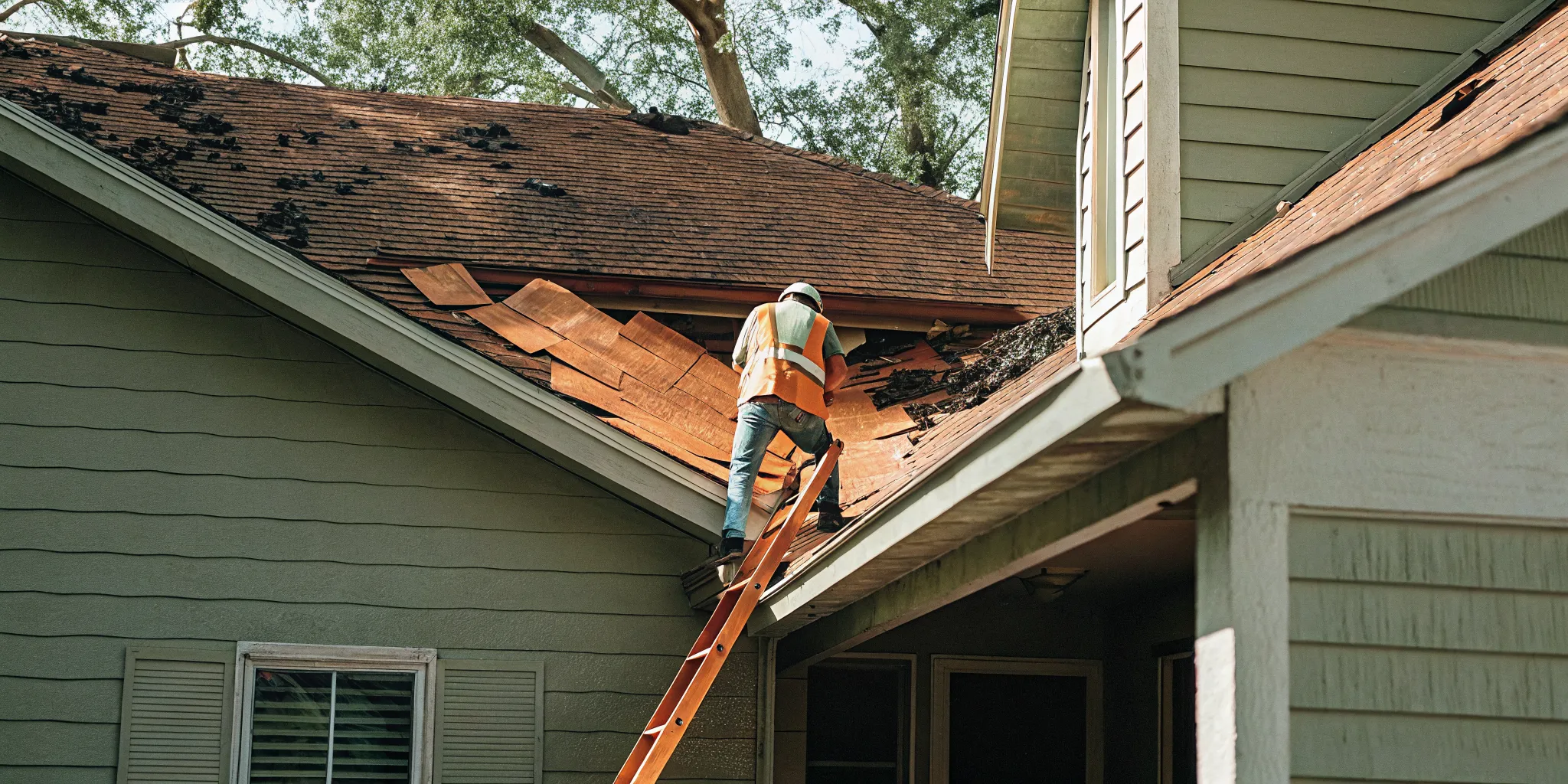
Seeing the words roof insurance claim denied can be frustrating, especially when storm damage is already exposing your Texas home or business to leaks. A denial is the insurer's current coverage decision, not a reason to ignore active damage. Protect the property, read the stated reason, gather stronger evidence, and follow the review process and deadlines in your own policy and denial letter.
Schedule a free roof inspection with Elevation Roofing & Restoration to document visible storm damage and get a clear repair estimate.
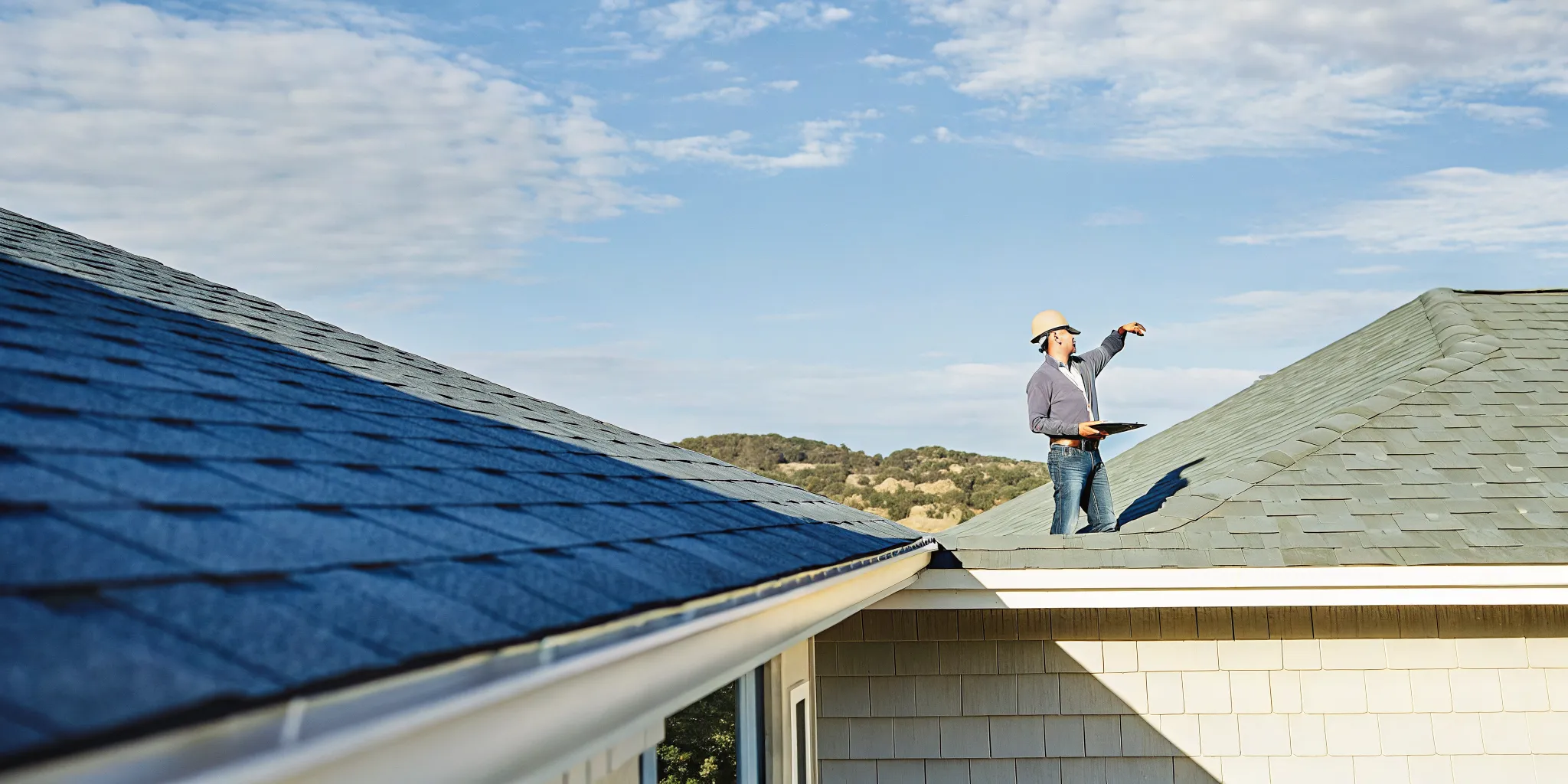
Start by reading the entire denial letter and matching its explanation to the relevant policy language. Save every photo, estimate, receipt, email, and claim document. Then arrange a thorough roof inspection that can distinguish recent wind or hail damage from wear, maintenance issues, or older damage. A qualified roofer can document roof conditions and prepare a repair estimate, but only the insurer determines coverage.
The steps below explain how Texas property owners can organize their records, request reconsideration, protect the building while the claim is reviewed, and know when to seek help from an appropriate licensed professional.
Roof insurance claim denied: start with the denial letter
Start with the insurer's written explanation. Match each stated reason to the cited policy language, note every deadline, and identify the exact evidence needed to support a reconsideration request. Treat the letter as a checklist rather than assuming the first decision is final.
Read the full denial letter
Your first move is to read every word of your denial letter. The denial letter should explain the insurer's reason and cite relevant policy language. This letter is the map for your next steps. Keep all papers and emails from your insurer in one folder to stay organized. You can find more help in our insurance claim FAQs section.
Look for the reason they said no. Common reasons include normal wear, lack of care, or a claim filed too late. The letter will also list the deadlines for requesting reconsideration. In many cases, you have a short time to ask them to look at your case again. Do not wait too long to act. Missing a date could end your chance for a review.
Find the stated reasons and deadlines
Once you know why they said no, you can find proof that shows a new story. For example, they might say the damage is from old age. But if you have notes from a past roof check, you can show the roof was in good shape before a storm. You have the ability to request reconsideration under the process in your policy from your insurance company if they deny your claim. This is often called an internal appeal.
This process means the company must check if their first choice was right. To help your case, you may need a pro to look at the damage. Our team can help with understanding whether a roof needs repair or replacement to see what is really going on. We often help people in Houston and Austin with documenting storm damage to give to their insurer.
Keep a log of all talks
As you work through this, keep a clear log of every call and email. Note the date, the name of the person you spoke with, and what was said. This log helps if you need an external review later. An external review lets a third party check the denial if the company still says no after your first appeal. By staying calm and keeping good notes, you set yourself up for a better result.
Why do insurers deny roof claims?
Roof claims are commonly denied when an insurer attributes the condition to wear, age, maintenance, installation problems, an excluded cause, late reporting, or costs below the deductible. The denial letter and policy language should identify the insurer's specific reasoning, so build your response around those details.
Maintenance issues and age
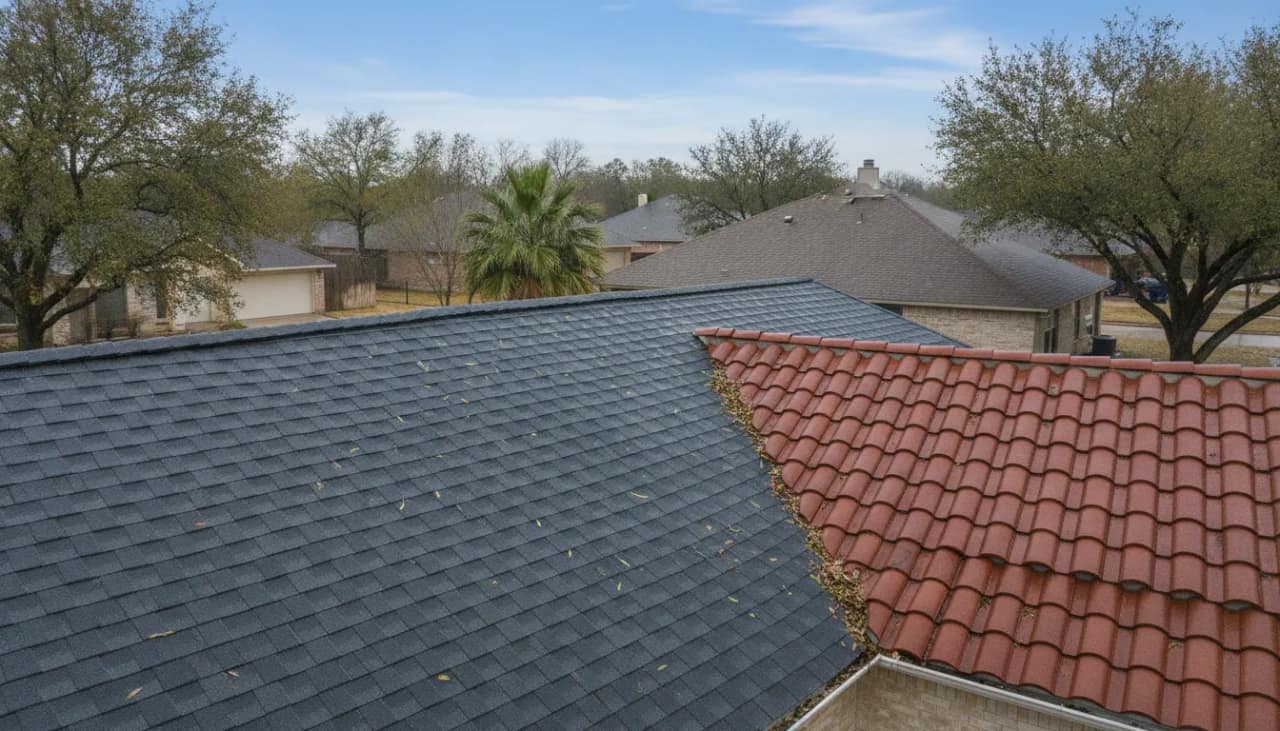
One of the most common reasons for a denial is the state of the roof before the storm. Insurers often point to normal wear and tear or poor upkeep. If your roof is near the end of its life, the company may claim it failed due to age rather than wind or hail. Adjusters also look for signs of poor installation or old leaks that you did not fix. When these factors exist, the insurer may argue that the roof was already prone to failure.
You can avoid this by keeping records of your reviewing repair and replacement needs. If you have proof that the roof was in good shape, it is harder for the company to blame old age. Expert roofers often help you show that the damage is new and directly caused by weather.
Policy exclusions and missing data
Your policy may have specific exclusions that limit what the company will pay for. Some plans do not cover certain types of storms or extra damage like interior leaks. It is vital to read the fine print of your plan to see what is left out. If your claim falls under an excluded event, the insurer will likely send a denial letter fast.
Record gaps are another big hurdle. If you do not have photos of the damage from right after the storm, the company might doubt your story. The denial letter should explain why they denied your claim in writing. This letter is a key tool for your appeal, as it lists the exact reasons for the denial. Keeping clear logs of all talks with your adjuster helps you stay on track during this process.
Filing time and deductibles
Time is a major factor in the claims world. Most policies have a strict deadline for filing a claim after a loss occurs. If you wait too long, the company can deny the claim simply because it was not reported on time. Also, if the repair cost is less than your deductible, the insurer will not pay. You should check your policy to know your deductible amount and how it affects your payout.
| Criteria | Storm Damage (Covered) | Maintenance Issue (Denied) |
|---|---|---|
| Root Cause | Sudden wind or hail | Normal wear and tear |
| Roof Age | Newer or well-kept | End of service life |
| Evidence | Fresh storm signs | Old leaks or rust |
| Installation | Correctly installed | Poor workmanship |
| Coverage | Sudden event | Slow decay |
If you face a denial, you do not have to accept it as the final word. Many property owners get storm-damage inspection and repair services from local experts who know the Texas market. A pro can give you a second look and find damage that an adjuster might have missed. For expert help, call us at (832) 271-1726 to get a full assessment. This extra proof can be the key to getting the company to change its mind.
How to document roof damage after a denial
Build one organized evidence file with the denial letter, policy, dated photos, inspection findings, repair estimates, temporary-repair receipts, and a communication log. Strong documentation helps the insurer compare the observed roof conditions with the reason it gave for denying the claim.

Build a strong proof file
When you start your appeal, you need a safe place for all your files. This keeps your records in one spot so you can find them fast. You should include your first claim and the denial letter in this pack. Also, keep track of any roof claim documentation support you get from a local team. Their expert views can help document observed conditions and show the state of your roof.
- Prevent more damage. Take quick steps to stop leaks from getting worse. Use a tarp or small patch if it is safe to do so. Your policy often says you must do this to stay covered for future losses.
- Take many photos. Use your phone to snap wide views of the whole roof and close-ups of the harm. Make sure the light is good so every mark shows up clear. Do this before you move any debris or start any work.
- Log every talk. Write down the time and date of every call or email with the company. Note the name of the person you spoke with and what they said. This log shows you were active and did your part.
- Get an expert view. Ask a pro to walk your roof. They can find hail marks or wind lift that an adjuster might have missed. They will give you a report after assessing the roof's repair needs.
- Read the denial letter. Look for the exact reason they said no. It might be due to "wear and tear" or "old age." Use your photos and the pro report to show the damage came from a recent storm event.
- Watch the clock. Every policy has a time limit for when you can file an appeal. Check your letter for these dates. If you wait too long, you might lose your right to a second check.
Review the rules in your policy
The denial letter should explain the insurer's reason and cite relevant policy language. If the explanation is unclear, ask the insurer for clarification. This helps you know what to address as you build your case. Review your policy to see if you have the right to a second check by a different adjuster. Sometimes a fresh set of eyes is all you need to get the help you need for your home. Keep all your notes in your proof pack to stay ready for every step.
What can a roofing contractor do for a denied claim?
A roofing contractor can inspect the roof, photograph observed conditions, identify signs consistent with wind or hail damage, and prepare a repair or replacement estimate. That documentation may support a reconsideration request, but the contractor cannot interpret coverage, provide legal advice, or decide whether the insurer will pay the claim.
Gathering clear proof of damage
One of the best things a pro can do is help you get ready. They go up on the roof to take clear photos of every dent and crack. They also look for leaks that may be hidden from view. This high-quality proof is the core of any strong case. It helps when you need to prove that the storm caused the harm.
At Elevation Roofing, we help with the hard work of getting storm damage documentation services. We do this by finding every bit of hail damage. We know that adjusters can miss things when they are in a rush. Our team takes the time to check every shingle. This deep look helps you when you ask your company to look at its first choice one more time.
Talking with the insurance adjuster
Your roofer can be there when the adjuster visits your home. This is helpful because they speak the same terms. They can point out signs of wind or hail that an adjuster might miss. If the adjuster says the damage is just from old age, the roofer can show why that is not true. They use the facts to tell a clear story.
They can also check if the roof was put on the right way. Some claims are turned down because of bad work from the past. A pro can show your roof was in good shape before the storm hit. Since the denial letter should explain why they said no, your roofer can help you see if those reasons are right. This gives you a better chance to win.
The limits of a roofer's help
While your roofer is a great friend, they have a specific job. They are not the ones who decide if your claim gets paid. They also cannot give you legal help. Their main task is to give a fair price for the work and to show the state of the roof. They stay in their lane but still give you strong support.
A good team will work with you to learn from roofing process FAQs about the process. They help you stay calm and stay on the facts. They give you the tools and the data to stand up for your home. By giving you a clear report, they make the path to a fix much faster. You do not have to face the insurance company alone when you have a pro on your side.
How do you ask the insurer to reconsider?
Follow the reconsideration process and deadlines stated in your policy and denial letter. Submit a concise written request that addresses the insurer's reason, cites supporting records, and includes relevant photos, inspection findings, estimates, and receipts. Ask whether another inspection is available, then keep copies of every submission and response.
Read the denial letter
Your first step is to read the letter from your insurer. Your denial letter should state why the insurer denied the claim and identify relevant policy provisions. Look for the parts of your policy they used to make their choice and the deadlines you must meet to file an appeal. If you have answers to common roofing questions about what these terms mean, a pro roofer can help you find the answers.
Keep a close eye on the reasons the letter gives. Common reasons include normal wear and tear or a lack of proof that a storm caused the damage. Once you know their logic, you can gather facts to counter it. Keep every email and note from calls with the adjuster as good records help when you ask the firm to change its mind.
Request an internal appeal
An internal appeal is when you send a formal letter to ask the company to check if their first choice was right. In your letter, state clearly why you believe the claim should be paid. Use the proof you have found, such as photos of the damage or a report from a local roofer. You can also get expert roof inspection and estimate support to make sure your appeal is strong.
Follow the reconsideration or dispute process described in your policy and denial letter. If your case is urgent, you can even ask the company to speed up the review. They must look at all the facts again, including any new items you send. Be firm but polite in all your talks and focus on the facts of the damage and what your policy says it covers.
Ask for a second look
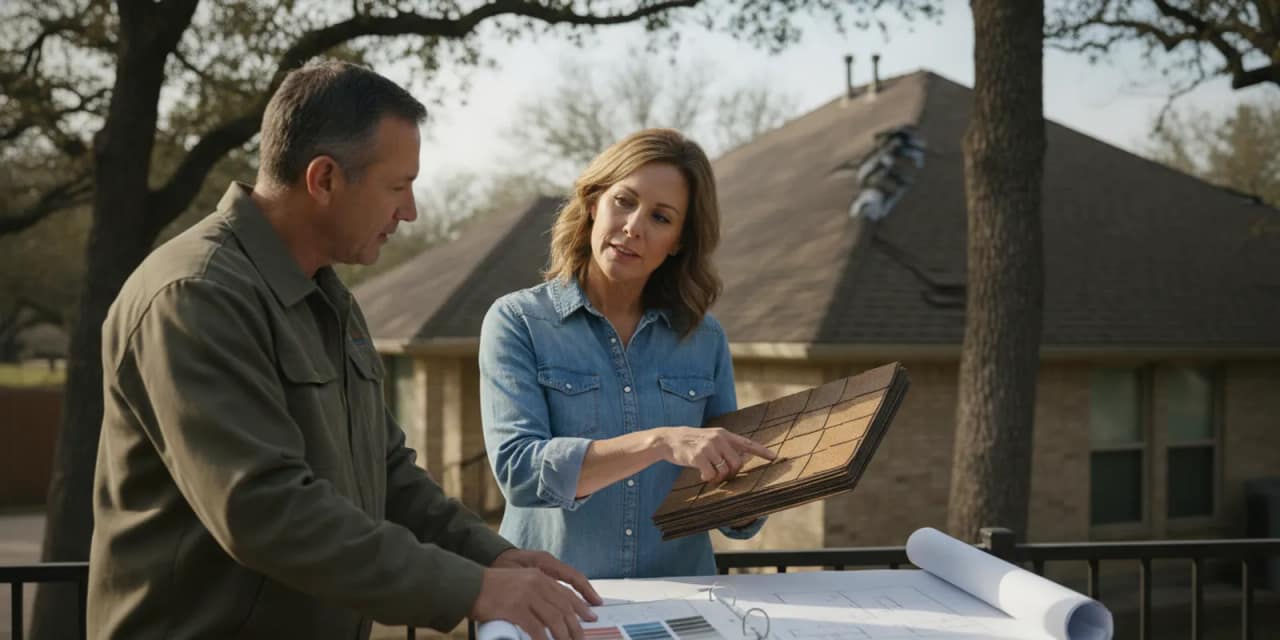
Sometimes a denial happens because the first adjuster did not see all the damage. You can ask for a second inspection of your roof, which is a normal part of the process when you disagree with the first report. Ask the company to send a different person this time to get a fresh set of eyes on the shingles. It helps to have your own contractor there to point out the hail hits that were missed.
A second opinion can often turn a "no" into a "yes" for your home. Make sure the new person looks at the gutters, flashing, and vents because these areas often show storm damage that is easy to miss. If the second person still says no, you may still have other paths like an external review. But for most owners, a well-planned appeal and a new look at the roof are the best ways to get a fair result.
When should you seek outside help in Texas?
If your insurer upholds the denial after reconsidering the evidence, review the dispute options in your policy and denial letter. The right next step depends on the reason for denial, the policy language, the amount at issue, and whether the disagreement concerns roof conditions or insurance coverage.
Texas Department of Insurance complaints
The Texas Department of Insurance accepts consumer complaints about insurance companies and agents. A complaint can ask the department to review whether the insurer followed applicable rules and responded appropriately. It does not guarantee that a denied claim will be paid. Include the claim number, denial letter, policy documents, photos, inspection reports, estimates, and a concise timeline.
Public adjusters and attorneys
A licensed public adjuster represents a policyholder during a property claim and may help evaluate the loss or negotiate with the insurer. Before hiring one, verify the license, understand the fee agreement, and confirm the scope of work. An attorney can explain legal rights and deadlines when a dispute involves significant damage, complex policy language, or alleged improper claim handling.
A roofing contractor has a different role. Elevation Roofing & Restoration can inspect the roof, document observed conditions, and prepare a repair or replacement estimate. We do not decide coverage, interpret legal rights, or promise an insurance outcome. Keeping those roles clear helps property owners choose qualified help without creating confusion during the review.
Protect your property while the claim is reviewed
Take reasonable, safe steps to limit additional damage while the insurer reviews the claim. Document conditions before temporary work, save receipts, and notify the insurer about urgent repairs. Avoid permanent repairs until you understand the policy's requirements and the insurer has had an opportunity to inspect, unless immediate work is necessary for safety.
Take quick steps to stop leaks
You may need to put a tarp over a hole or board up a window. These are short-term fixes that keep rain out. Do not try to do a full fix yet. You only want to stop the loss from getting worse. Be careful if you go on the roof. It is very risky to climb if the roof is wet or steep. It is often best to hire a pro. We can give you storm repair options by sealing your roof fast.
Using a tarp saves your rooms and gear. Water can ruin rugs and walls in just a few hours. If you wait for the review to finish, the cost to fix your home will grow. By acting today, you show the group that you are a good owner. This helps your case when you ask them to look at your claim again.
Keep every bill and photo
If you buy a tarp, wood, or nails, save the bills. You may get this cash back later. Also, take clear photos of the damage before you start any work. You need to show the state of the roof right after the storm. Take photos of the holes, the leaks inside, and the tarp you put up. Good proof is the best way to win an appeal.
It is also smart to keep records of all emails and texts you send. Write down the date and time of every call. Note the name of the person you spoke with and what they said. This list makes it hard for the group to say no. It shows that you did each step right to save your home.
Get a full roof check
A pro roofer can find damage that an agent might miss. They look for small marks that lead to big leaks. Their skill is vital for checking the state of your roof. A roofer will give you a list of every item that needs a fix and what the price will be. This data is a great tool for your review.
An expert report can change an agent's mind. It shows that your roof needs more than just a patch. It gives the facts that the group needs to see that their first choice was wrong. With a pro on your side, you are not just guessing. You are using real data to fight for the money you need.
Frequently Asked Questions
These answers cover common next steps after a denied roof claim, including reconsideration requests, second inspections, Texas Department of Insurance complaints, and legal support. Always follow the language and deadlines in your own policy and denial letter, and seek coverage or legal guidance from an appropriately licensed professional.
Can I appeal a denied roof insurance claim?
Yes. You can ask your insurance company to think again if they deny your claim. This is an internal appeal. The company will check if their first choice was right. You must check your denial letter for any dates you must meet. According to The Payne Law Group, about 37 percent of property claims are denied nationwide. You are not alone in this process.
How do I request a second adjuster for a roof claim?
You can ask for a second look if you think the first check was wrong. Contact your insurance company and ask for a new check with a different person. It helps to have a pro roofer there during this second visit. They can point out damage the first person might have missed. According to United Policyholders, asking for a new look is a normal part of the process.
How do I file a complaint with the Texas Department of Insurance?
If you cannot reach a fair deal with your company, you can file a complaint with the Texas Department of Insurance. This state group helps protect people who buy insurance in Texas. You can send your complaint online or through the mail. They will check your case to see if the company followed the law and your policy rules. This move can help you get a clear answer when your company is not being helpful with your roof claim.
Is it worth hiring an attorney for a denied roof claim?
Hiring a lawyer might be a good idea if the claim is large and the company refuses to pay. Many law firms work on a fee plan where they only get paid if you win. This is often called a contingency fee. A lawyer can help you fight for the money you need for repairs. While this step can take a long time, it might be the only way to get a fair payment after a final denial from your insurance company.
Ready to address your roof after a denied claim?
Elevation Roofing & Restoration can inspect your roof, document observed storm damage, and provide a clear repair or replacement estimate for the insurer's review. Our team does not determine coverage or promise a claim outcome. Contact us to discuss safe next steps and available storm repair services.
Ready to schedule a roof inspection? Call (832) 271-1726 to schedule your roof inspection and get your claim back on track today.