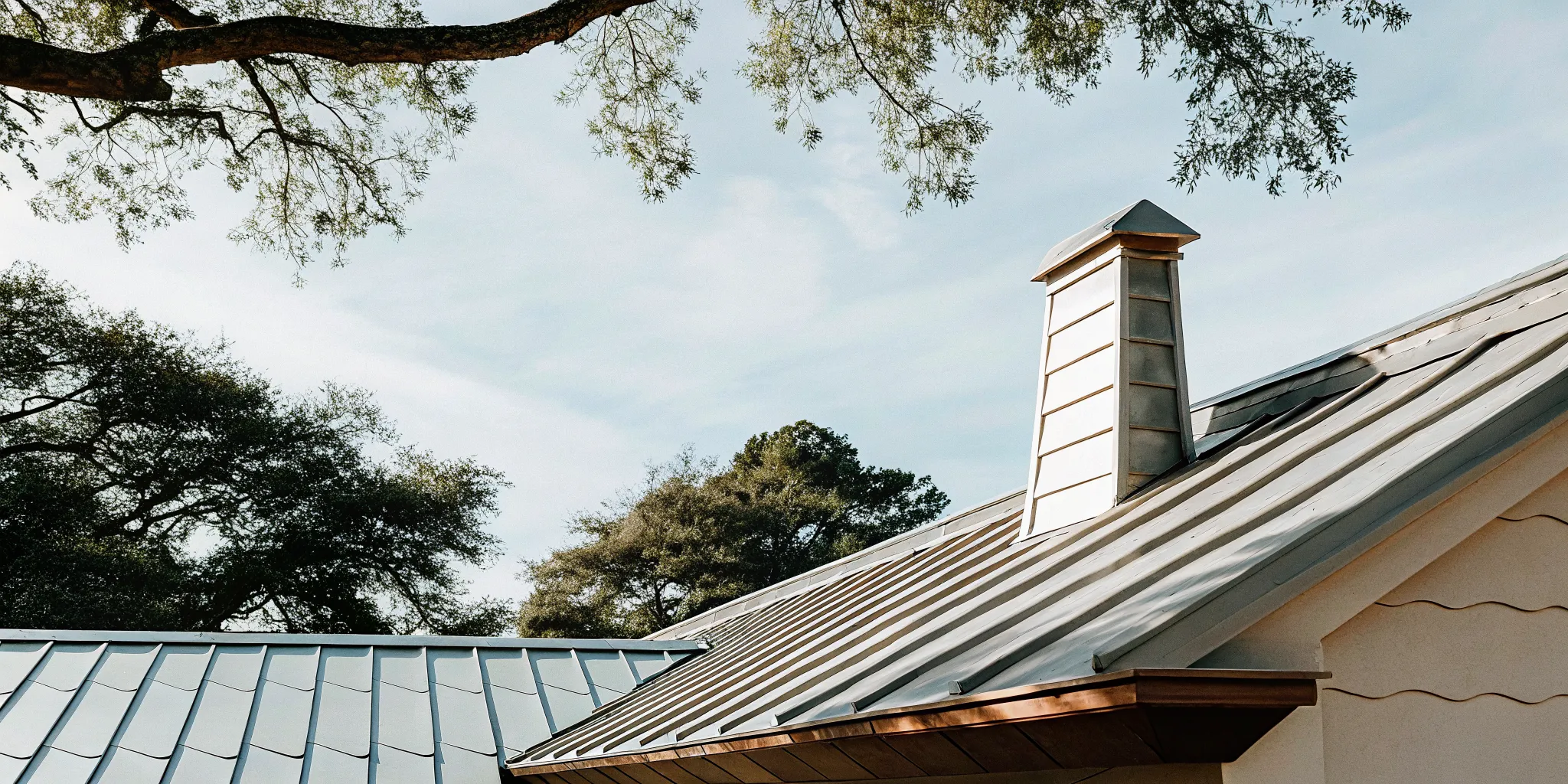
High heat and sudden hail storms in Texas often age a roof faster than its warranty suggests. Coastal humidity and intense sun create unique challenges for every local home. Knowing how long your materials will truly hold up is vital for every owner.
Schedule a free roof inspection to learn how much life your roof has left.
Roof lifespan Texas usually depends on the material chosen and the local climate. Property owners often see their roofs last between 15 and 30 years. Standard asphalt shingles often reach 20 years in mild climates. However, the extreme sun in Austin and humidity in Houston can shorten that window to 15 or 18 years. Metal roofing provides a durable choice, frequently lasting 40 to 70 years even under the harsh sun. Tile and TPO systems also offer clear benefits for buildings facing hail or wind. Knowing these differences helps owners plan for repairs and keep their investment safe. Regular care and expert checks are vital to getting the most life from any Texas roofing system.
Roof lifespan Texas property owners can expect
Most Texas home owners want to know how long a new roof will last. In our state, the usual roof life is between 15 and 30 years. But this range can change based on the type you choose and the local weather. Strong sun and big storms play a large part in how fast your roof wears out. Knowing what to expect helps you plan for later care or a new roof when the time comes. It is key to track the age of your roof to avoid leaks and water damage.
Find the years left on your roof
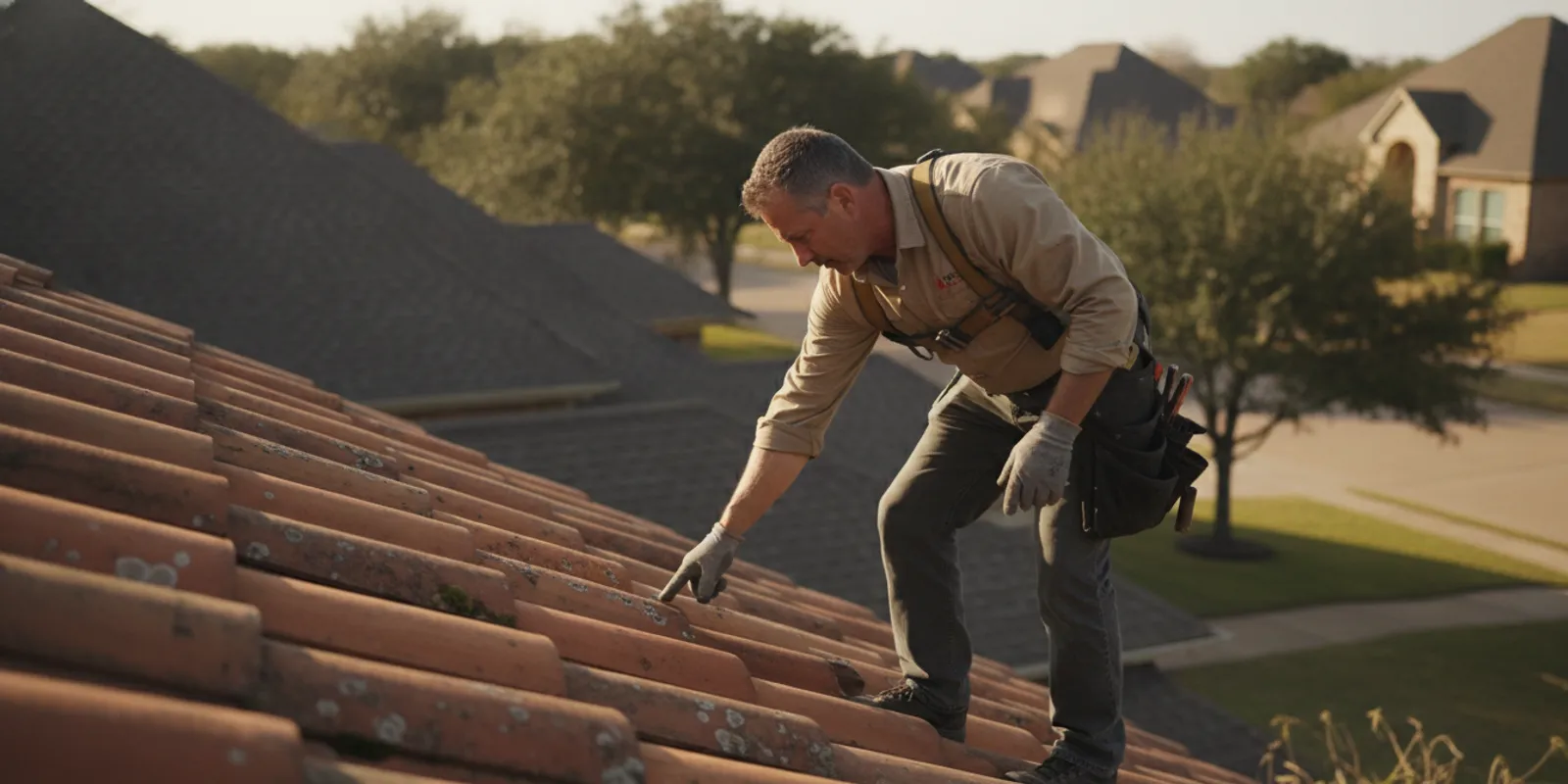
Most asphalt shingles last about 20 years in the Texas sun. But high heat can make them dry and weak much sooner. If your roof is over 15 years old, you should check it for signs of wear. Metal and tile roofs can last much longer, often 40 to 70 years. These types handle the rough Texas weather better than most. A pro roof inspection is the best way to get a clear idea of your roof's health. They can spot small cracks that you might miss from the ground.
How heat affects your shingles
You should also think about the age of your home when you check your roof. Older homes may have roofs that do not meet new build codes. If your roof was put on many years ago, it might not have the best seal or air flow. This can lead to heat traps that hurt your shingles. High heat in the attic can bake the roof from the inside out. This makes the surface fail long before its time. If you see shingles that curl or lose their grit, your roof is likely near its end. You may need to plan for roof replacement services to keep your home dry and safe.
Parts that impact Texas roof life
Local weather is the main part of your roof's life. Texas sees strong sun rays, which can dry out shingles and lead to cracks. High winds from big storms can also lift edges and let water in. If your area gets a lot of hail, your roof may need a swap much sooner. Dents from hail can break the seal of your shingles and lead to rot. Per the Federal Emergency Management Agency, asphalt shingles are most at risk during high-wind events. They can tear or blow away if they are not fixed well.
Good care also matters a lot for your roof life. If a roof is not set up right, it will fail fast. Good air flow in your attic keeps the roof cool and dry. This helps shingles stay strong and last. You should also keep your gutters clean so water does not sit on the roof edge. When water stays in one spot, it can rot the wood deck below the shingles. This leads to soft spots and major leaks. Regular checks help you find these small issues before they grow into big costs. If you stay on top of care, you can help your roof reach its full life.
The type of material you pick is another key factor. While shingles are cheap, metal roofs stand up better to hail and wind. Tile is also very strong but can be heavy for some homes. In cities like Austin and Houston, many people now choose metal for its long life and energy saves. It reflects the sun and keeps the house cooler in the summer. This reduces the stress on the roof and the home's cooling system. No matter what type you have, watching for signs of damage after a storm is key. A good roof choice will keep your house safe for many years to come.
How long does each roofing material last in Texas?
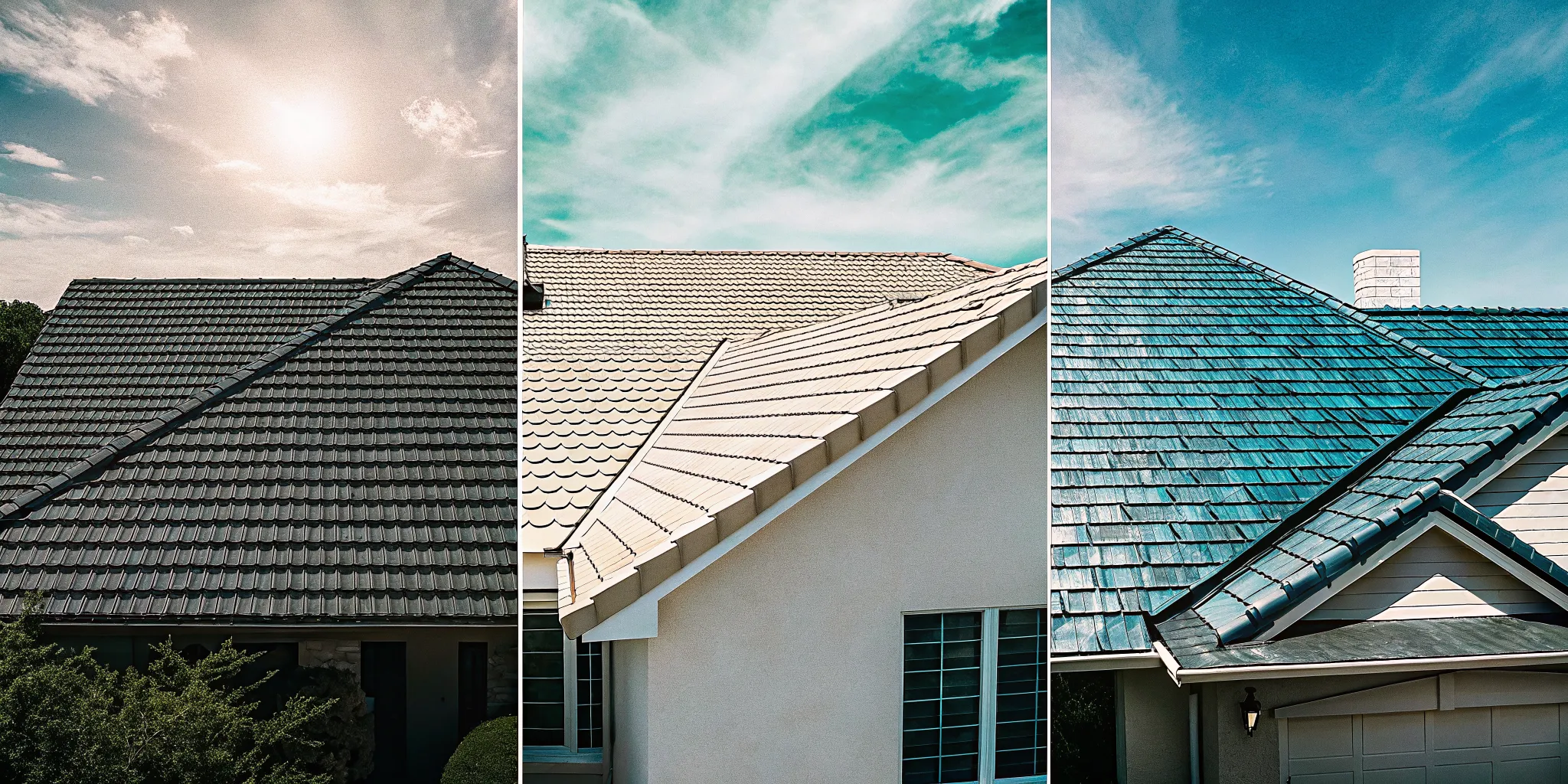
Texas weather is tough on any home. Between the hot sun and sudden hail, your roof needs to be a strong shield. The average roof lifespan in Texas varies based on the type you choose. Some types last for many decades. Others may need a swap much sooner. Knowing these timelines helps you plan for the future. It also helps you get the most value for your money. Most owners in Houston and Austin want a good mix of cost and life.
The local climate is the biggest factor in how long a roof lasts. High heat and UV rays break down stuff over time. Storms and high winds can also cause sudden damage. According to the Department of Energy, choosing the right roof for your climate is vital. In Texas, you want a roof that can handle heat without failing too fast. This means picking a type that fits your budget and your long-term plans.
Asphalt shingle life in the heat
Asphalt shingles are the most common choice for Texas homes. They are easy to find and do not cost much to set up. In our state, you can expect these roofs to last about 15 to 20 years. The main threat is the intense sun. Over time, the heat bakes the shingles and makes them brittle. This causes the protective bits to fall off. Once those bits are gone, the shingle can crack or leak easily. Regular care is key for shingle roofs. Thick shingles are better and tougher than basic ones. They can handle high winds and often last 20 to 25 years with good care. According to FEMA guides on asphalt roofs, checks after big storms are key. Catching small issues early helps your roof reach its full life.
The long life of metal and tile systems
If you want a roof that lasts a long time, metal or tile are great bets. Metal roofs are very strong against wind and hail. They often last between 40 and 70 years in Texas. Because metal reflects the sun, it stays cooler than asphalt. This helps the roof last longer and can lower your cooling bills. Most metal roofs need very little care beyond checking the seals. You can learn more on our roofing services page. Tile roofs made of clay or concrete can last even longer. It is common for a tile roof to last 50 to 100 years. These types do not rot or burn. They are also heavy, which helps them stay in place during high winds. But the weight means your house must have a strong frame. Tile roofs also provide a natural air gap. This gap helps shield your home from heat.
| Roofing Type | Expected Life | Top Benefit | Care Need |
|---|---|---|---|
| Asphalt Shingles | 15-25 Years | Low cost | High |
| Metal Roofing | 40-70 Years | Strength | Low |
| Tile Roofing | 50-100 Years | Long life | Medium |
| TPO Membrane | 15-20 Years | Cool surface | Medium |
TPO and low-slope roof lifespan
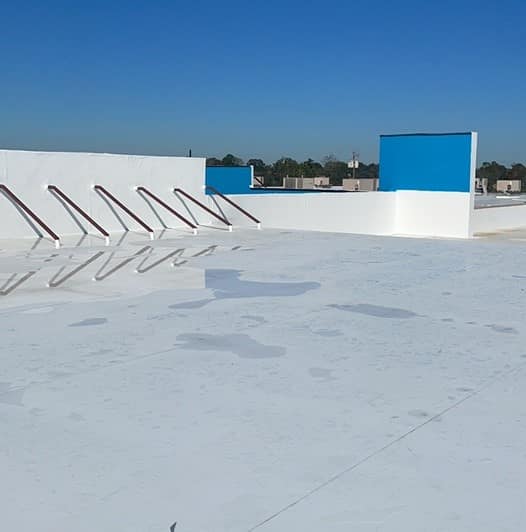
TPO is a popular choice for flat or low-slope roofs in Texas. It is a single-ply sheet that reflects heat very well. For modern homes or work buildings, TPO offers a good mix of cost and life. Most TPO roofs last about 15 to 20 years in the Texas sun. The seams are the most common place for leaks to start. Over time, the sun can make the sheet shrink or pull away from the edges. This is why a pro must check the seams every few years. How well the roof is set up matters a lot. If the seams are not welded right, they will fail fast. A pro knows how to use heat to seal the seams into one solid sheet. In Texas, the white color of TPO is a huge plus. It can keep your roof surface much cooler than a dark roof. For owners in Houston, our service locations are ready to help with checks.
Why do Texas roofs age faster?
The climate in cities like Houston and Austin is tough on homes. While a roof in a mild state might last for decades, the roof lifespan in Texas is often much shorter. Extreme heat, sun rays, and big storms work together to wear down materials. Most property owners in the state will see their asphalt shingle roofs last about 15 to 20 years. Which is well below the 30-year mark often seen in other parts of the country. Knowing these local factors helps you plan for repairs and keep your home safe.
Extreme heat and sun damage
The Texas sun is the biggest threat to your roof. On a day when it is 100 degrees outside, a dark roof can reach a surface heat of 160 degrees. This intense heat causes the oils in asphalt shingles to dry out. When the oils are gone, shingles become brittle and lose their granules. This process, known as thermal aging, is why roofs in the South wear out faster than those in the North. High heat can also cause the wood deck under your shingles to warp if the attic is not cooled well.
UV rays also play a role in breaking down chemical bonds in your roofing materials. Constant sun exposure causes color to fade and materials to crack. If you notice your shingles look dry or have bald spots where granules used to be, the sun has already done its work. You can find more details about our roofing services to see how we help homes stand up to the sun.
Thermal shock from temperature swings
Texas weather can change fast. It might be hot in the afternoon and cool at night. These rapid shifts lead to a problem called thermal shock. Materials expand when they are hot and shrink when they are cold. This constant movement puts a lot of stress on your roof system. It can pull flashing away from chimneys or cause shingles to crack at the edges. Over time, these small gaps allow water to seep into your home during the next big storm.
Severe storms and high winds
Both Houston and Austin sit in areas where severe weather is common. Hail is a major issue that can dent metal or crack shingles in just a few minutes. Even small hail can knock away the granules that protect shingles from the sun. Once those granules are gone, the sun damage speeds up. High winds from storms can also lift the edges of shingles. This breaks the seal that keeps them in place. A broken seal makes it easy for wind-blown rain to get under the roof.
The humidity in cities like Houston also creates a home for mold and algae. These growths can trap moisture against your roof and cause wood rot. According to the Lawrence Berkeley National Laboratory, moisture is a key factor that leads to the decay of wood and the corrosion of metal on a roof. Regular checks are needed to catch these issues before they turn into leaks. Our team covers many locations across Texas to help keep your roof in top shape against the elements.
How can you tell when a Texas roof is near the end?
A roof in Texas faces some of the harshest weather in the country. Intense heat and sudden storms can shorten a roof lifespan in Texas compared to other regions. Knowing when to fix a leak and when to plan for a new roof is key for any property owner.
Check the age of your roof
Most shingle roofs are built to last about 20 years. If your roof is near or past this age, it is more likely to fail during a big storm. You can find the age of your roof through old house records or a professional check. An older roof often has brittle shingles that crack easily under the hot sun. This wear makes the whole system less safe for your home.
The U.S. Department of Energy notes that you must assess if you need a patch or a full replacement based on the extent of the damage. While a young roof might only need a quick fix, an old roof usually needs a full change to keep water out. You can book a free roof inspection to see how much life is left in your current system.
Watch for granule loss and shingle damage
Granules are the small stones on top of asphalt shingles. They protect the roof from UV rays. If you see lots of sand-like grit in your gutters, your roof is losing its shield. This loss leads to bald spots and thin shingles. Without these granules, the Texas sun will bake the shingles until they curl or break. Damaged shingles cannot shed water well, which leads to leaks.
Check for shingles that are missing, cracked, or curling at the edges. Widespread damage across many areas of the roof is a sign that the material is worn out. If only a few shingles are gone after a wind storm, a roof repair may be enough. But if the damage is everywhere, a new roof is the safer choice.
Look for sagging and water damage
A sagging roof is a major warning sign. It often means the wood decking under the shingles is rotting from moisture. You might see low spots on the roof line or feel soft areas when walking on it. This type of damage is common after many years of small leaks that went unnoticed. Sagging can lead to a collapse if it is not fixed right away.
Inside your home, look for dark spots on the ceiling or peeling paint. These signs show that water is getting past the roof and into your walls. Persistent leaks that keep coming back after a repair mean the roof can no longer do its job. In these cases, a full roof replacement is often the best way to protect your property and stop further rot.
How to help your roof last longer in Texas
The hot sun and big storms in Texas can be hard on any home. To protect your home, you need a good plan. Taking care of your roof does more than just stop leaks. It helps you get the most out of your roof lifespan in Texas. By following a few simple steps each year, you can find small issues before they turn into big costs. We suggest checking your roof at least twice a year to make sure all stays in good shape.
Keep your roof clean and clear
Debris like leaves and twigs can trap water against your roof. This leads to rot and mold, which can weaken the parts of your house over time. You must clear off any mess after big winds or when the seasons change. Also, check your gutters to make sure water flows away from your house. Full gutters can make water back up under your roof. This leads to rot and damage to your home base. If you need help, our team offers gutter services to keep your home safe.
Watch for storm damage
Texas has hail and high winds that can strip bits off shingles or pull them loose. After any big storm, look at your roof from the ground. Use a pair of glasses to see better. Look for missing pieces or signs of hit marks. The Texas Department of Insurance says that checking for loose shingles after a storm is a key part of home care. If you see damage, call an expert for a full check. Fast work can stop water from getting into your attic.
Follow a simple maintenance plan
Steady care is the best way to keep your roof strong. A good plan covers all parts from the shingles to the trees near your house. Use this guide to help you manage your roof care well:
- Schedule yearly checks. Have an expert look at your roof once a year. They can find small cracks or worn spots that you might miss. Early fixes save you a lot of money later.
- Check your roof after every storm. Do not wait for a leak to start. Look for loose shingles or hail dents right away. Fast repairs keep the inner parts of your roof dry and strong.
- Keep gutters clear of all debris. Clean your gutters at least twice a year. Water should always flow away from your roof and walls. This stops rot and protects your home.
- Trim trees near your house. Cut back branches that hang over your roof. Falling limbs can cause big damage. Rubbing branches can also wear down your shingles over time.
- Make sure attic air flows well. Proper airflow keeps your attic cool. This stops heat from baking your shingles from the inside out. Good vents are a must for a long-lasting roof.
- Fix minor leaks fast. Even a small drip can lead to big problems. Patch holes and replace missing shingles as soon as you find them to stop mold and rot.
- Keep records of all work. Save your bills and photos of all roof repairs. These notes are helpful for insurance claims and when you decide to sell your home.
To keep your roof for a long time, do not let small problems grow. Texas heat makes roof parts grow and shrink. This can lead to small cracks. If you ignore these signs, they will soon lead to leaks. Our roofing services find and fix these gaps before they hurt your home. Steady care is the smartest way to manage your house and keep your family dry for years to come.
When should you schedule a professional roof inspection?
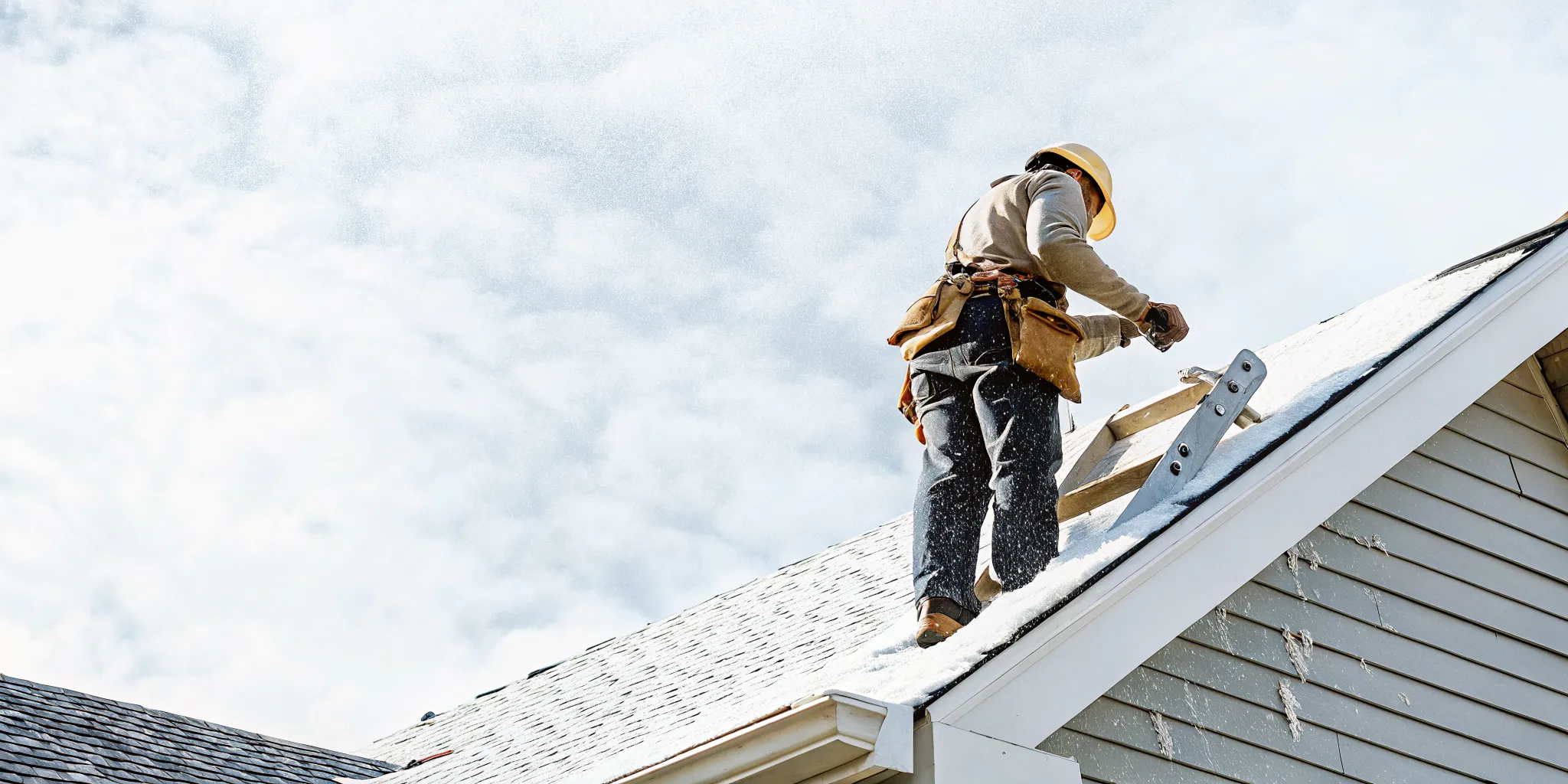
Waiting for a leak to show up is a common error for many homeowners. By the time water enters your home, the damage is often costly. An active plan is the best way to track the lifespan of asphalt shingle roofs in the harsh Texas sun. Regular checks allow you to find small issues before they turn into big repairs.
Yearly checks for long-term health
You should plan an expert roof check at least once every year. These visits help find signs of wear that you might miss from the ground. Experts look for loose shingles, cracked seals, and clogged gutters. Keeping your roof clean and in good repair helps it reach its best life. The USDA notes that regular checks are vital to find wear before it leads to a full replacement.
In Houston and Austin, heat and wet air can stress your roof. High heat can cause shingles to dry out and crack over time. A yearly visit helps make sure that your attic vents are clear and working well. Good airflow prevents heat from building up under your roof. This simple step can help you avoid signs your roof needs replacement by keeping shingles cool.
Checks after severe storms
Texas is known for sudden and strong weather. High winds and large hail can cause hidden damage to even the strongest roofs. You should schedule a check after any big storm hits your area. Wind can lift shingles and break their seals, which lets rain seep under the deck. Hail can knock off the shielding granules that protect shingles from the sun.
Our team helps property owners in Houston and Austin record storm damage for insurance. You usually have a short window of one to two years to file a claim after a storm. Having an expert report ready can make the process much smoother. We look for dents, leaks, and missing parts to give you a clear view of your roof. This help is vital for getting the support you need to keep your home safe.
Signs of aging and wear
If your roof is more than 15 years old, it is time for more frequent checks. Older roofs are more prone to leaks and wind damage as parts get old. You might see granules in your gutters or shingles that look curled at the edges. These are clear signs that your roof is nearing the end of its working life. A pro can tell you if a repair will work or if it is time for a new one.
Proper care is the key to the long roof lifespan texas property owners need. Regular visits allow you to track the state of your roof over many years. You will know exactly when to save for a replacement and when a simple fix is enough. This peace of mind is worth the effort of a quick yearly check.
Frequently Asked Questions
How long do asphalt shingles last in Texas?
Standard asphalt shingles usually last 15 to 20 years in Texas. The high heat and UV rays in Austin and Houston make them age faster than in cooler states. Over time, the sun makes the shingles dry and causes them to lose their protective bits. Thick shingles can last longer, often reaching 25 years with good care. According to FEMA, regular checks after big storms help you find small leaks early.
Does metal roofing last longer in the Texas heat?
Yes, metal roofs are very strong and often last 40 to 70 years in Texas. They reflect the sun, which keeps the house cooler and prevents the roof from breaking down fast. Metal also handles high winds and hail better than asphalt. While they cost more to set up, they outlast most other types by many years. You can learn more about these strong choices on our roofing services page.
How often should I inspect my Texas roof?
You should have your roof checked at least once a year and after every major storm. Texas weather can cause hidden damage like loose seals or dented vents that you cannot see from the grass. Catching these issues early prevents leaks and mold from growing in your attic. Professional checks ensure your roof reaches its full life and stays safe. Regular care is the best way to avoid a big cost later.
What signs mean I need a new roof in Texas?
You should look for curled shingles, large bare spots, or lots of bits in your gutters. Inside your home, ceiling stains or high power bills can also show a failing roof. If your roof is over 20 years old and has faced many Texas storms, it may be time for a change. A pro can help you decide if you need a quick fix or a full new roof.
Ready to book a free roof inspection for your Texas home?
Do not wait for a leak to show you your roof is done, as putting off a check-up leads to wood rot and repair costs. By acting today, you can avoid stress and make sure your Houston or Austin home is ready for the next big Texas storm to hit. Starting now gives you a safe roof and a clear view of how much life is left in your home before you face a crisis. Our team can help you learn your options and make the best choice for your roof and your budget before any big problems grow.
Ready to schedule? Call (832) 271-1726 to schedule a free roof inspection or request a quote for your Houston or Austin property with Elevation Roofing today.