Few investments protect a Texas home like its roof, and few topics attract as much bad advice. Between neighborhood hearsay, viral DIY videos, and the occasional storm-chasing salesperson, Houston and Austin homeowners are bombarded with roofing claims that simply do not hold up. Believing the wrong one can cost you thousands in premature replacement, a denied insurance claim, or water damage that quietly spreads behind your walls.
Texas roofs face a brutal combination of stressors that the rest of the country rarely sees all at once: relentless UV and triple-digit heat, Gulf Coast hurricanes and tropical storms, spring hail, straight-line winds, and the occasional hard freeze. Decisions that might be harmless in a milder climate can be expensive here. Below, we debunk nine of the most stubborn roofing myths we hear from homeowners across our 100+ Texas service communities, and explain what is actually true.
Myth 1: Metal roofs attract lightning
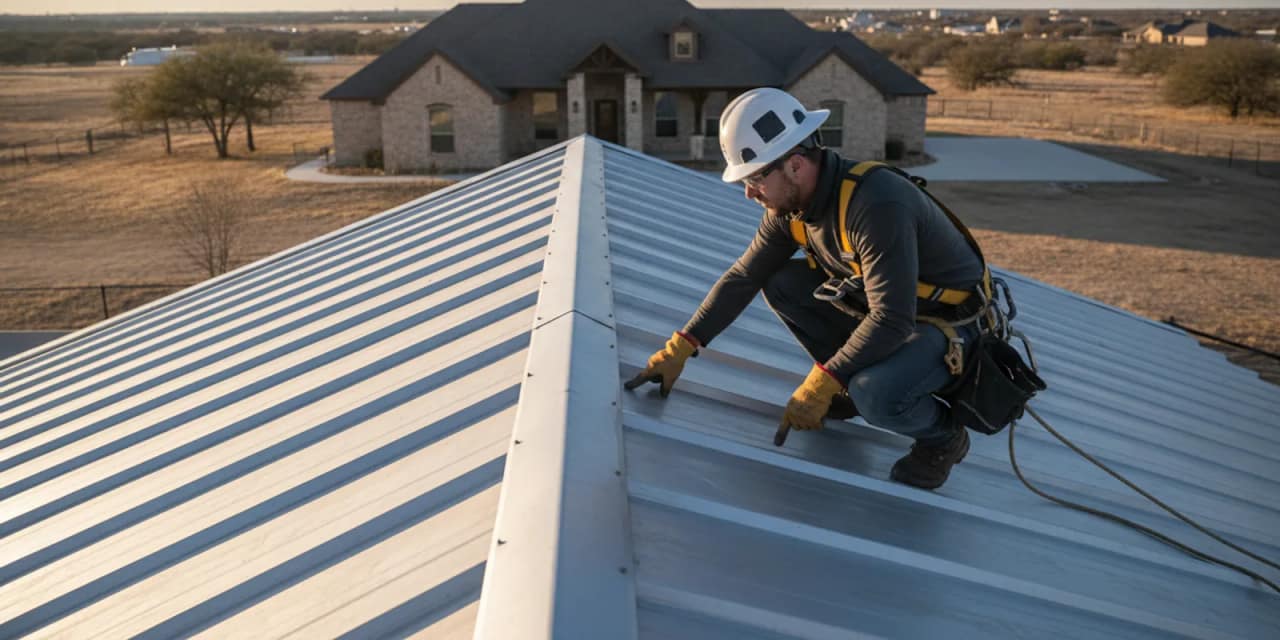
This is the myth we hear most, and it is flatly false. A roof's material does not make a strike more likely; height, location, and surrounding terrain do. Lightning seeks the path of least resistance to the ground, and your roof covering plays no role in attracting it.
If anything, metal roofing is one of the safer choices. Because metal is non-combustible and conducts electricity efficiently, it can disperse a strike's energy across the roof surface rather than igniting like wood shakes might. For Texas homes exposed to frequent thunderstorms, that is a point in metal's favor, not against it.
Myth 2: You only need a roof inspection after a leak appears
By the time water stains your ceiling, the damage is already done. A visible interior leak means moisture has likely traveled through underlayment, soaked decking, saturated insulation, and possibly reached electrical wiring or framing. The drip you see is the last symptom, not the first.
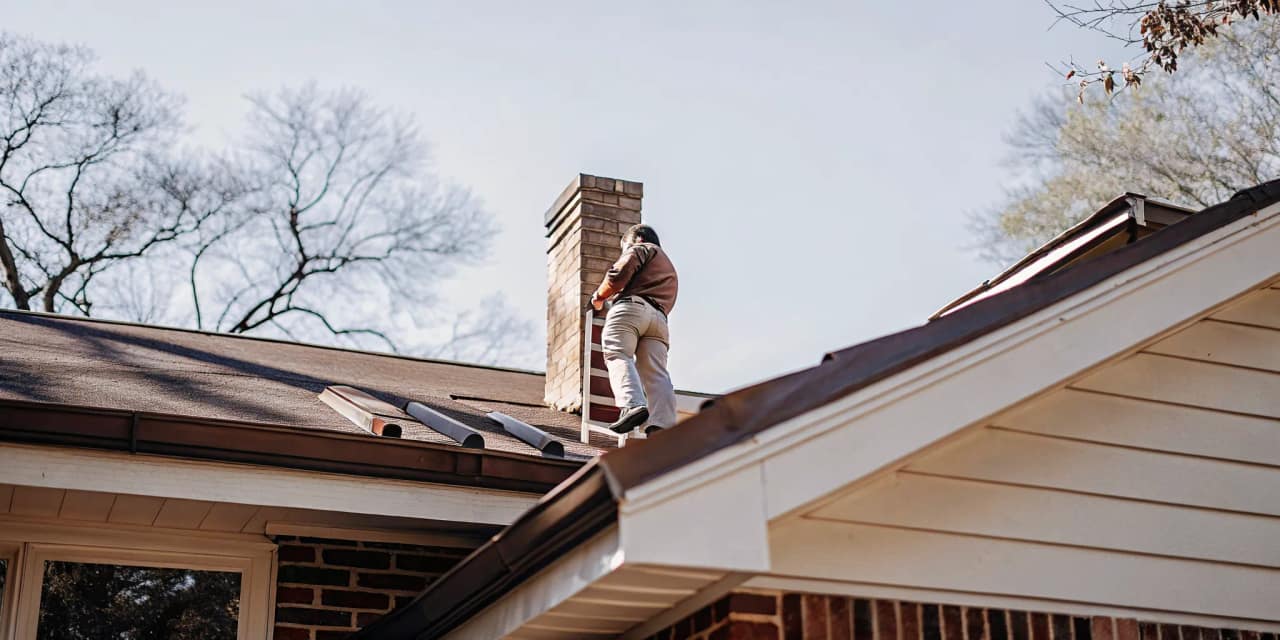
Most storm damage is invisible from the ground. Hail can bruise shingles and fracture their protective granule layer without producing an immediate leak, leaving the roof to fail months later. We recommend a professional roof inspection at least once a year and after every major hail or wind event. Our free roof inspection is a $399 value and the cheapest insurance you will ever buy.
Myth 3: All roofing materials perform the same in Texas weather
They do not, and the gap is widest in our climate. Standard three-tab asphalt shingles are economical, but they degrade faster under sustained UV and offer little resistance to large hail. By contrast:
- Impact-resistant (Class 4) shingles are engineered to withstand hailstones and may qualify you for an insurance premium discount.
- Metal panels shed heat, resist wind uplift, and routinely last 40 to 70 years.
- Concrete and clay tile handles intense heat exceptionally well and suits many Austin-area homes.
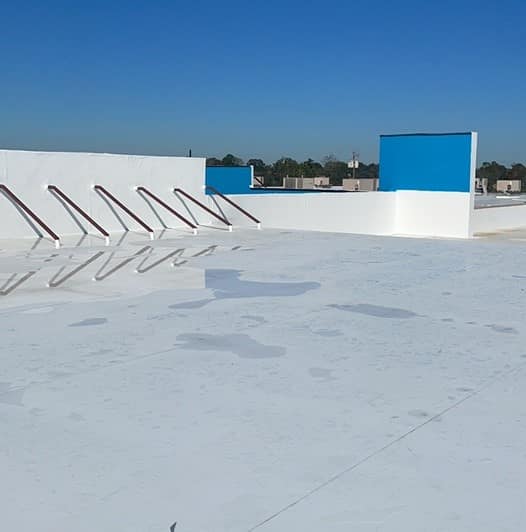
- Flat and low-slope systems like TPO and modified bitumen are built for commercial buildings and modern flat-roofed residences.
Choosing the right system for your structure and budget matters more here than almost anywhere else. If you are weighing options, our guide to roof types and roofing calculator are good starting points.
Myth 4: A new roof needs no maintenance
A quality roof is durable, not immortal. Skipping maintenance is one of the fastest ways to shorten a roof's lifespan and void portions of its warranty. Clogged gutters back water up under shingles, overhanging branches scour granules and drop debris, and small flashing gaps widen with every freeze-thaw cycle.
Routine roof maintenance, including gutter cleaning, debris removal, sealant checks, and minor repairs, costs a fraction of a replacement and can add years of service life. Keeping your gutters clear is one of the simplest things a homeowner can do to protect the entire system.
Myth 5: Roof repairs make easy DIY weekend projects
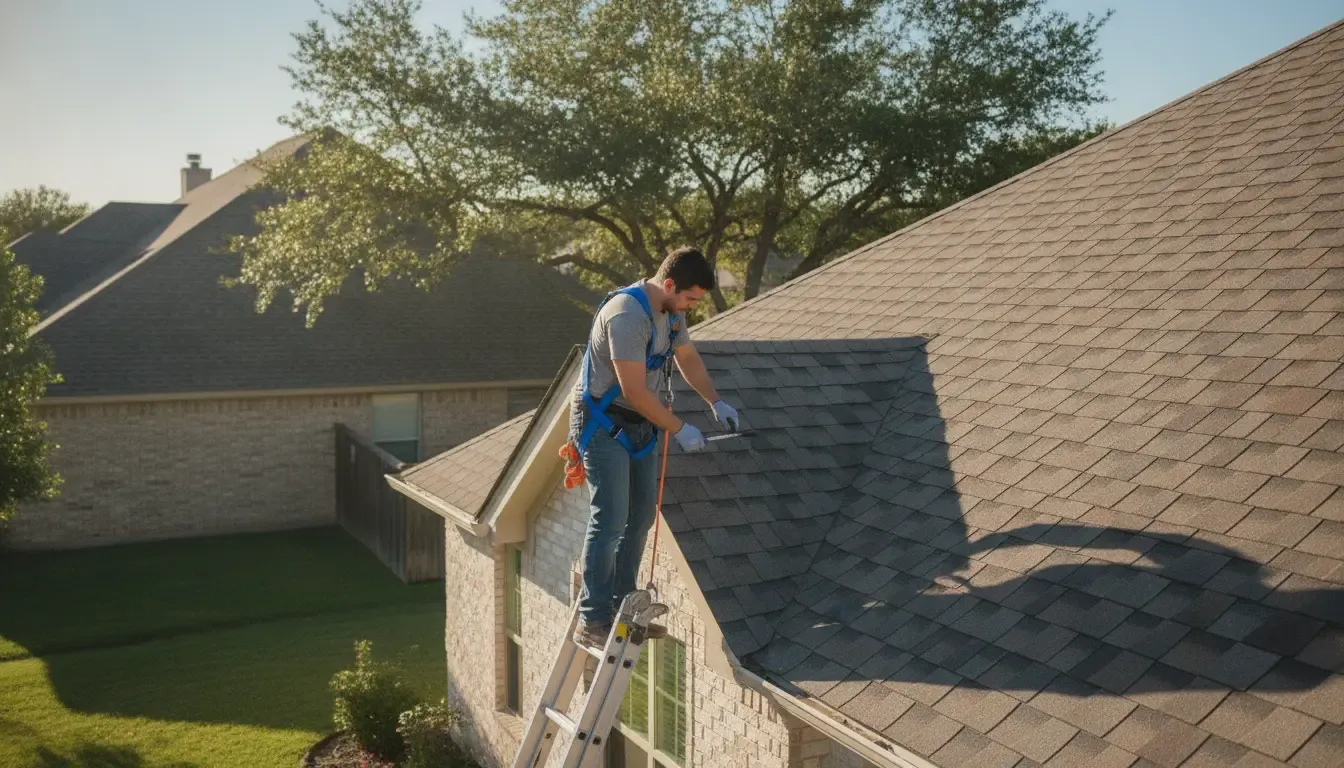
Climbing onto a steep, sun-baked Texas roof is genuinely dangerous, and the work is harder than online tutorials suggest. Mismatched shingles, improperly sealed flashing, or nails driven at the wrong angle create entry points for water that often cause more damage than the original problem. Worse, DIY work can void your manufacturer warranty and complicate insurance claims.
Professional roof repair protects both your safety and your investment. As a GAF Preferred Contractor with RhinoRoof certification, we install to manufacturer specifications so your warranty stays intact.
Myth 6: A roof should last forever, so a leak means you need a full replacement
Neither extreme is true. No roof lasts forever, but a single leak rarely means the whole roof is finished. Many problems trace back to a localized failure, such as cracked flashing, a popped nail, or a few wind-lifted shingles, that a targeted repair can solve. The right call depends on the roof's age, the extent of the damage, and the underlying decking. An honest inspection should tell you whether repair or replacement makes more financial sense, not just push you toward the bigger ticket.
Myth 7: Insurance automatically covers any roof damage
Texas policies typically cover sudden, accidental damage from covered perils like hail and windstorms, but they do not cover wear, neglect, or improper installation. Claims also have deadlines, and damage that goes undocumented after a storm can be dismissed as pre-existing. This is exactly why post-storm documentation matters. We handle storm damage repairs and work directly with your insurance company to document legitimate damage and pursue a fair claim.
Myth 8: The cheapest bid is the best deal
A suspiciously low quote usually signals thin materials, skipped steps, unlicensed labor, or a contractor who will not be reachable when a problem surfaces. Roofing is one area where cutting corners shows up later as leaks and a roof that fails a decade early. Look for verifiable credentials, manufacturer certifications, a written warranty, and real reviews. After 9+ years in business with a 5-star Google rating, our customer reviews reflect work that holds up.
Myth 9: A dark roof always overheats a Texas home
Color plays a role, but it is only one factor. Modern shingles use reflective granules, and proper attic ventilation and insulation influence indoor temperatures far more than shade alone. A well-ventilated dark roof can outperform a poorly ventilated light one. Material choice, ventilation, and underlayment work together, which is why a professional assessment beats guessing by color.
Stop guessing, start knowing
Most roofing myths share a common root: they encourage homeowners to wait, cut corners, or assume the worst is impossible. In a climate as demanding as Texas, that thinking gets expensive. The good news is that a single professional inspection clears up nearly all of it. Whether you are in Greater Houston or the Austin metro, our team can tell you exactly what shape your roof is in, no scare tactics, no upsell. Schedule your free roof inspection today and replace the myths with facts.