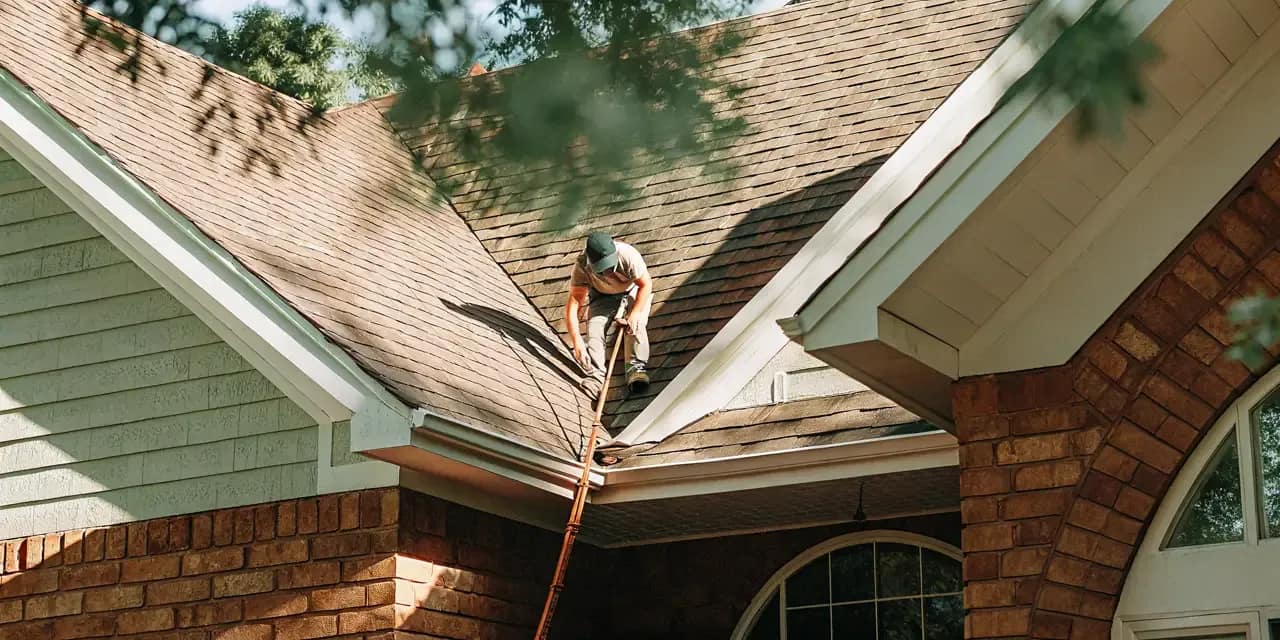
A single missing shingle or a damp spot on the ceiling can trigger immediate financial stress. Most homeowners fear that a small leak will turn into a total roof replacement overnight. Learning how to compare roof repair vs replacement can help you avoid wasted spending and protect your home.
Schedule your free professional roof inspection to get a clear repair or replacement recommendation.
The roof repair vs replacement choice depends on how old your roof is and how much damage has happened. A small leak might only need a targeted repair to keep the water out. However, widespread problems like recurring wet spots or missing shingle grit may mean the system is worn out. In Houston and Austin, high heat and severe weather can make existing weaknesses more urgent. A professional inspection can find rot or wood damage that is hard to see from the ground. Picking the right path keeps your home dry while avoiding fixes that do not last.
Most homeowners feel stuck when they see a new stain on the drywall or find grit in their gutters. This quick decision guide highlights the most important signs to watch for. The path begins with an honest assessment of your roof's age, damage, and underlying deck.
Roof repair vs replacement: the quick decision
Choosing between a roof repair and a full replacement can be stressful for many Texas homeowners. In Houston and Austin, the local climate puts constant pressure on roofing parts. Heat, wind, and rain cause these systems to degrade over time as they face the elements. A quick decision helps you avoid more water damage while keeping your long-term costs low.
When a simple repair works
A simple repair is often the best choice for a young roof with minor damage. If your roof is less than 15 years old and was put on right, it likely has years of life left. Small leaks, a few missing shingles, or minor storm damage can usually be fixed without a full tear-off. These quick fixes help you save money now and keep your home safe from the next big storm.
Repairs also make sense when the damage is in one small area. For example, a limb falling on a single slope does not mean you need a whole new roof. In these cases, a repair keeps your home dry. You can then follow your repair vs replacement decision factors for the future. You can use these targeted fixes to get the most value out of your current roof.
Comparing your two main options
The best path depends on the age of your roof and how much of it is hurt. Use this table to see which choice fits your current case.
| Decision Factor | Roof Repair | Full Replacement |
|---|---|---|
| Damage Extent | Less than 20% of the area | More than 20% of the area |
| System Age | Less than 15 years old | More than 20 years old |
| Leak History | First time or rare issues | Frequent and steady leaks |
| Near-Term Cost | Lower upfront price | Higher initial cost |
| Future Value | Extends life short-term | Resets the clock for 20+ years |
When to invest in a new roof
A full replacement is a big step, but it is often the smartest move for older roofs. Most asphalt systems last about 15 to 30 years. If your roof is near the end of that range, a repair is often just a short fix. You may find that you are spending more on many small fixes than you would on one new setup.
When over 20 percent of your roof is hurt, a new roof is often more cost-effective than chasing leaks every year. This gives you a fresh start with modern parts that handle the Texas heat with ease. This resets your roof care clock and gives you peace of mind.
For homeowners in Houston and Austin, this is a long-term play that protects the value of your home. It stops the cycle of water damage and helps you plan your home costs better over the next two decades. Taking action now prevents small issues from turning into major roof frame issues.
What determines whether a roof can be repaired?
Choosing between a quick fix and a new roof can be tough for Texas home owners. Pros look at several key things during a roof check. They want to see if the roof is strong enough to hold a patch. They also check if the parts are too worn out. Here are the main things that go into the repair vs replacement decision factors you should know.
Roof age and material health
The age of your roof is often the first thing a pro will check. Most asphalt shingle roofs last between 15 and 30 years. If your roof is near the end of its life, a repair might only buy you a little more time. Sun, heat, and rain all wear down shingles over the years. This process is called degradation. Per a study on roofing materials, things like UV light and big heat shifts make materials break down faster. In Houston and Austin, the high heat can speed this up. A newer roof is often a good pick for a simple repair. But if the parts are old and brittle, a fix may not stick well.
The amount of damage and matching
Small issues like a few missing shingles are easy to fix. But if a large area is hurt, a repair might not be the best choice. Many pros say that if more than 20 percent of a roof is damaged, you should look at a new one. This is because the cost of many small fixes can add up fast. It can be better to do a full job instead of many repairs. Large-scale damage often means the structure under the shingles is at risk too. Finding the right shingles to match an old roof can also be hard. Over time, the sun fades the color of your roof. Even if you buy the same brand, the new shingles will look darker. This is why a small repair might leave your roof looking like a patchwork quilt.
Deck condition and storm timing
A roof is more than just shingles. It has a wood deck and a layer to keep water out. If water gets under the top layer, it can rot the wood. This is a big problem that a simple repair cannot solve. Leaks that keep coming back in the same spot are a bad sign. They show that the flashing or the deck might be failing. Often, checks help find these minor issues before they turn into huge costs. If the deck is soft or soggy, you must replace that part of the roof. Many Texas roofs also get damaged during storms. If you have storm damage, you might have a storm claim. But you must act fast. Most plans only give you one or two years to file a claim. If you wait too long, you will have to pay for the work yourself.
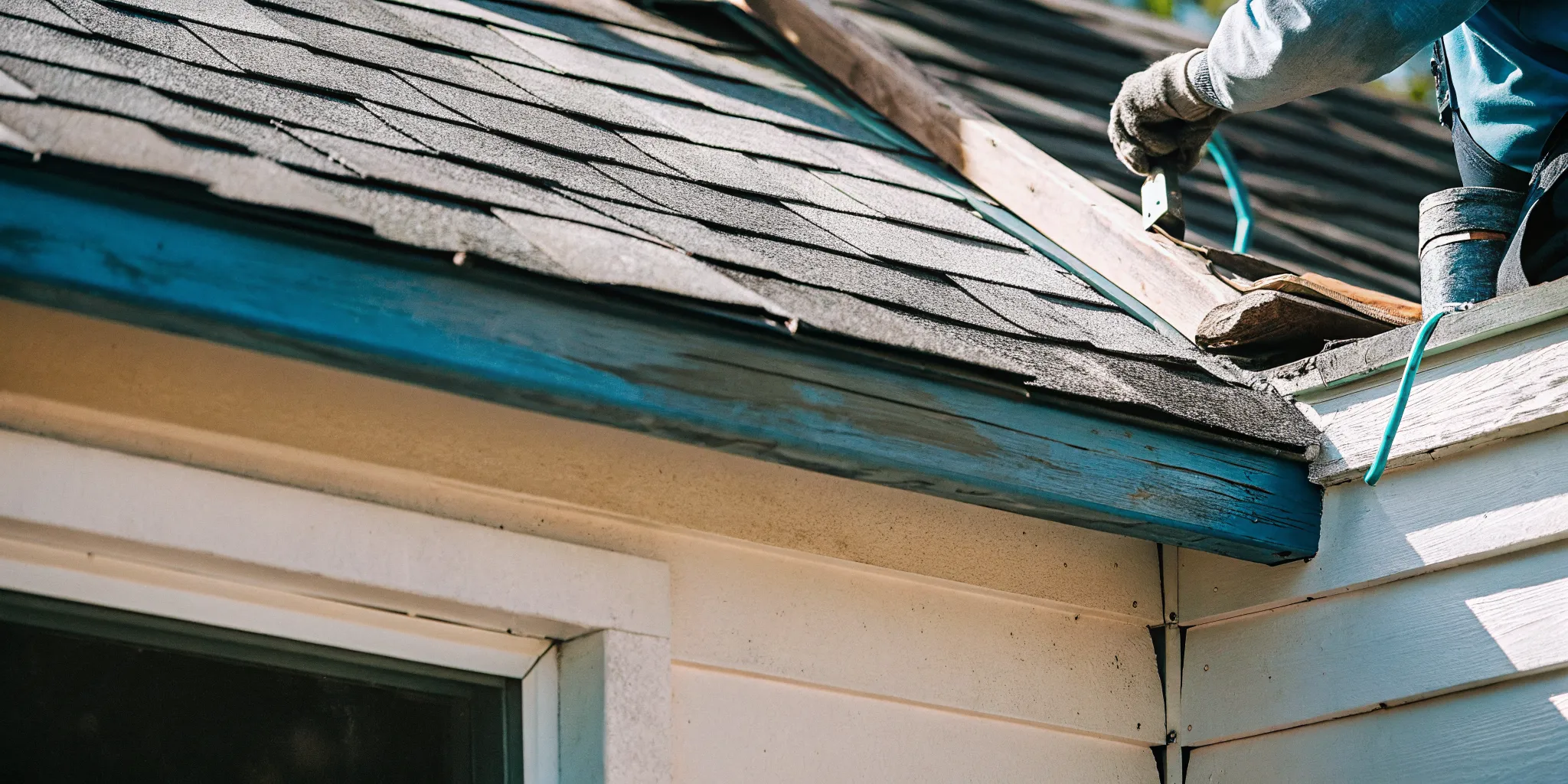
When is roof repair the smarter choice?
Choosing between roof repair vs replacement often feels like a tough call. For many people in Houston and Austin, a full replacement is not always the first step. If your roof is mostly in good shape, a focused fix can save you time and money. Expert crews can often solve small issues before they grow into big risks for your home.
Finding small areas of damage
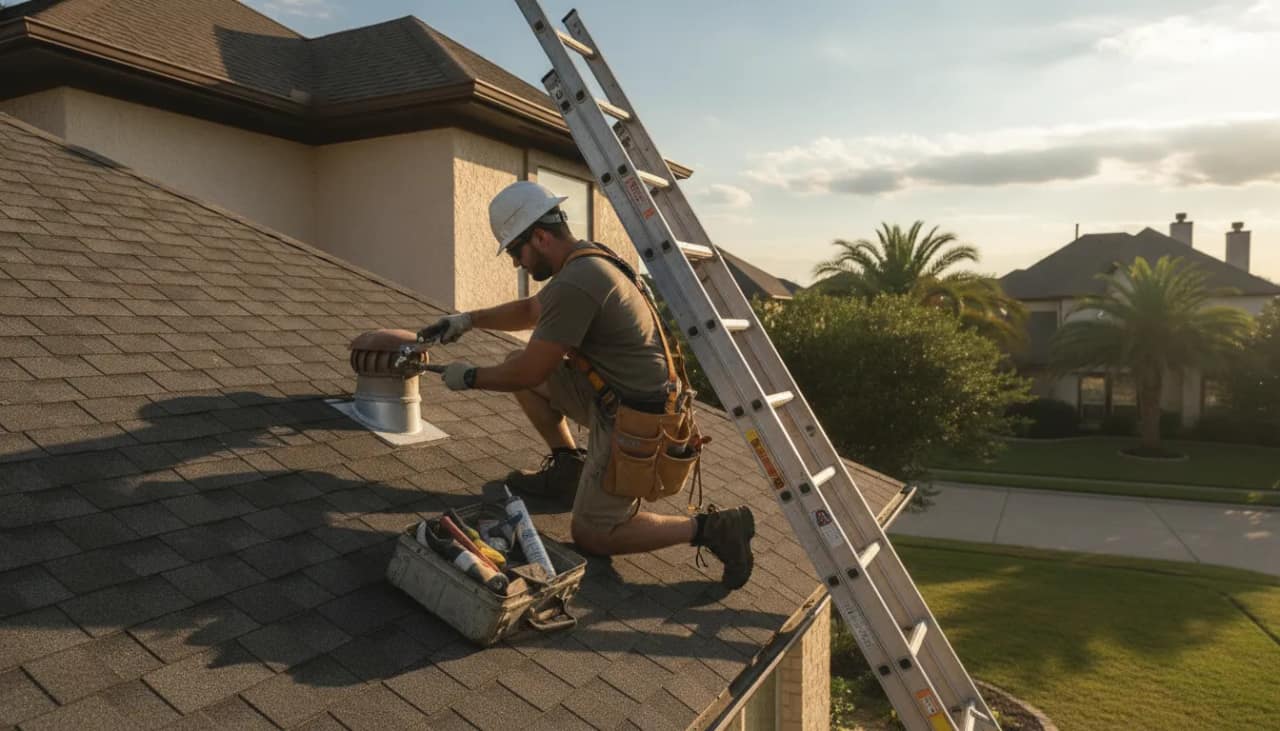
Repair is usually the best path when damage is in one small spot. You might see a few missing shingles after a wind storm or a small leak in a single room. These small issues often stem from a loose nail or a cracked piece of flashing near a vent. If the rest of the roof is dry and sturdy, there is no need to tear the whole system off. Small fixes help you keep your home safe without the cost of a new build.
Expert crews often suggest a repair if the damage covers less than 20 percent of your roof area. When most of your shingles are still flat and flexible, they can still shield your attic for years. You can learn more about these repair vs replacement choice factors to see which side your home falls on. Fixing a small zone now prevents water from reaching the wood deck below.
Checking the age and health of your roof
The age of your roof plays a huge role in the roof repair vs replacement choice. A roof that is less than 15 years old usually has plenty of service life left. In these cases, it makes more sense to fix minor wear rather than start over. Roofing materials do degrade over time because of heat and rain exposure, but a young roof can handle a few patches easily. If your shingles are still thick and do not lose many bits, they are worth saving.
Regular checks can help you stay on top of this health. At Elevation Roofing, we offer a free $399 roof inspection to find these hidden needs. Our in-house crews look for sound parts that can still withstand Texas storms. If we find that the core frame is solid, we will suggest a path that keeps your costs low while guarding your home.
Cost-smart storm damage solutions
Texas weather can be harsh on any home. Recent storms might leave one side of your house with hail hits while the other looks new. In this case, a high-quality roof repair can restore your home to its best state. This is often the smartest choice when your insurance covers the single zone of damage. It allows you to get back to normal fast without a long project.
Keeping your roof in good shape through repairs also helps you get the full value from your first buy. Most asphalt systems can last up to 30 years if you fix small leaks early. Keeping the water out today ensures that you do not face rot or mold tomorrow. By choosing the right fix at the right time, you protect your bank account and your peace of mind.
When does roof replacement make more sense?
Choosing between a quick fix and a new roof is a big choice for any home owner. Small repairs can help a roof last a bit longer. But there comes a point where a total swap is the smarter move. At Elevation Roofing & Restoration, we help people in Houston and Austin look at the facts. We want you to see which path saves the most money and stress in the long run.
Big damage and aging
The age of your roof is the first thing to check. It helps you weigh the repair vs replacement decision factors. Most asphalt shingle roofs stay in good shape for about 15 to 30 years. This range depends on the grade of the shingles and the local Texas sun. If your roof is near the end of this time, a fix might only buy you a few months. Then the next leak or problem will likely pop up.
The weather also plays a major role in how fast your roof wears out. Intense heat, rain, and hail cause parts to break down over time. A study from the Office of Scientific and Technical Information shows that contact with sun and damp causes roof parts to wear down. In places like Houston, the wet air and UV rays can speed up this process. This makes an old roof much more likely to leak.
A good rule of thumb is the 20 percent rule. If more than one-fifth of your roof has damage, a roof replacement is often the best choice. Patching large spots can lead to uneven wear. It might not solve the real cause of the issue. It is often better to start fresh than to keep paying for many small fixes on a failing roof.
Clear signs of part failure
You can often see when a roof is past the point of simple repairs. Look for shingles that are curling or brittle across different slopes. If you see bits from your shingles filling up your gutters, the top layer is gone. This leaves the core of the shingle open to the sun and rain. That leads to fast rot. Brittle shingles can also crack during a storm. This makes your home a target for water damage.
Storm damage is another common reason to choose a new roof. High winds can lift shingles or tear them away. You can swap out a few missing pieces. But big damage may hide deeper issues. For example, wind can pull at the nails and loosen the grip of the whole roof. In these cases, a full swap ensures your home is safe. It also makes sure your roof meets local codes in Austin or Houston.
Cost and build strength
Repeat leaks are a clear sign that your roof is failing. If you find yourself calling for a roof repair every time it rains, you are wasting money. These repeat costs can quickly add up to the price of a new roof. Also, many leaks happen in spots that are hard to see. By the time you spot a stain on your ceiling, the wood deck under the shingles might already be rotting.
Finally, matching old roof parts can be very hard. Makers often change the colors and styles of their shingles over the years. If you patch an old roof, the new parts will look different. This can lower how good your home looks from the street. A full new roof gives you a clean, even look. This can increase the value of your home. It also gives you peace of mind that your roof is ready for the next big Texas storm.
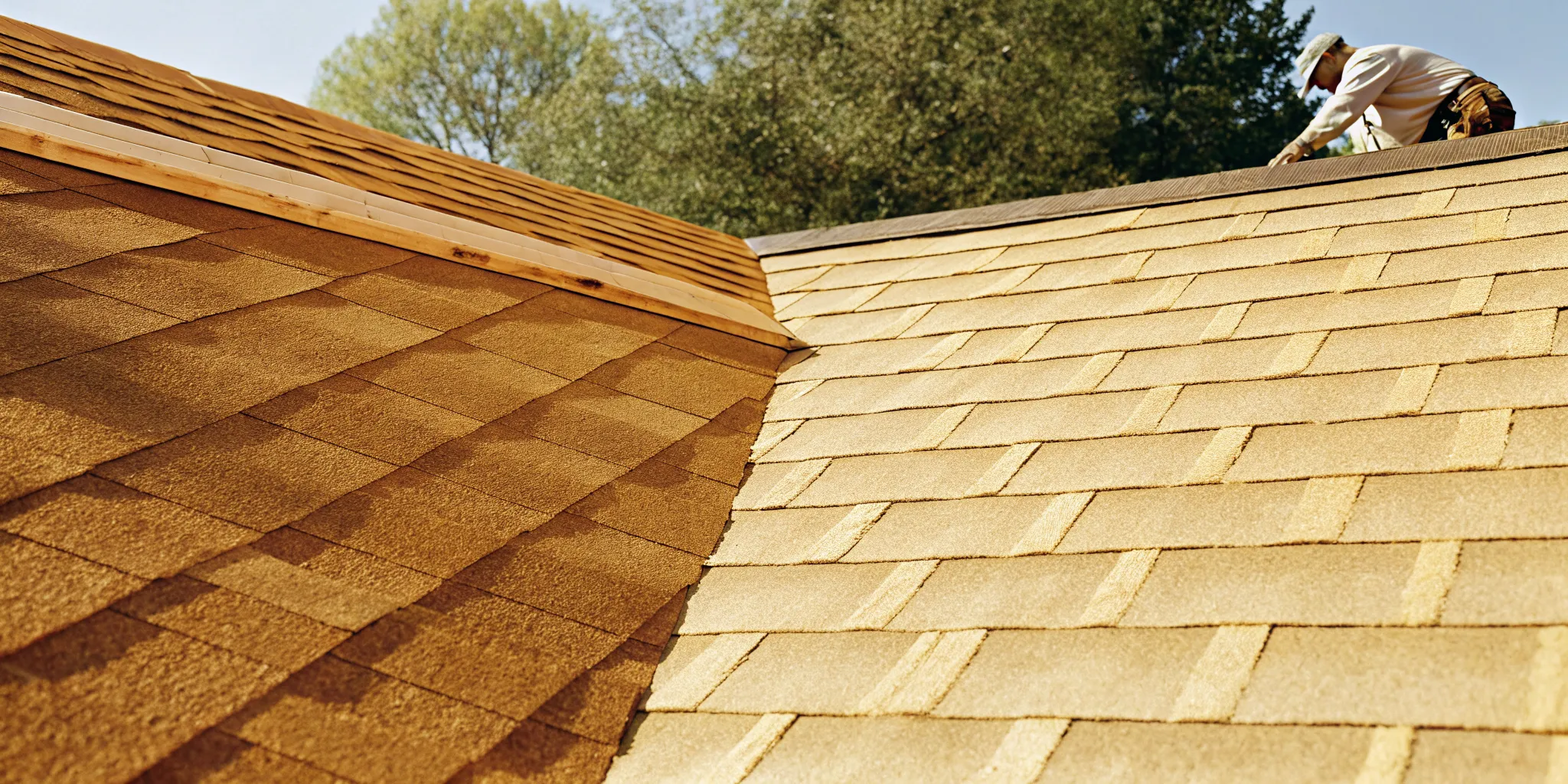
How should you compare repair and replacement costs?
Choosing between a fix and a new roof is a big choice. It is easy to think the low price of a fix is the best deal. But the low bill today might lead to a big bill later. You must think about the full cost over time. This means you should check the age of your roof and the risk of more damage to your home.
In Houston and Austin, the weather can be hard on your roof. Heat and storms put a lot of stress on its parts. If you just fix one spot, a new leak might start nearby next month. To make a smart choice, you have to see the big picture. You can look at repair vs replacement decision factors to help you start your search.
Think about the age of the roof
A new asphalt roof can stay in good shape for about 15 to 30 years. If your roof is less than 15 years old and looks good, a repair is likely all you need. But as the roof gets older, the sun and rain make the parts weak. This wear is a natural part of how roofing materials break down over time. When shingles get old, they can no longer keep water out as well as they used to.
If you keep paying for fixes on an old roof, you might waste your money. Those small bills add up fast. You might have paid for a new roof with the money spent on many fixes. A new roof also stops leaks from hurting your walls and floors. If your young roof was put on right, it likely has a lot of life left.
Check the size of the damage
The size of the hurt area is a big thing to check. If just a few shingles blew off in a storm, a fix is fast and cheap. But if a large part of the roof is bad, a fix may not be enough. Pros often use a simple rule to help owners decide. If more than 20 percent of the roof is hurt, a full swap is usually the best move for your wallet. It costs less to do the whole roof at once.
Hidden damage is another risk to think about. Water can get under the shingles and rot the wood below. If you only fix the top layer, the rot will keep growing. This can lead to big issues that a simple repair will not solve. To find hidden issues, get a free roof inspection from a pro who knows what to look for.
Steps to pick the best path
Follow these steps to find the path that fits your budget and keeps your home dry.
- Check the age. If your roof is near 20 years old, a new one is often the better choice.
- Measure the damaged areas. If damage covers more than one-fifth of the roof, consider a full replacement.
- Look for leaks. Water appearing in different spots may mean the whole roof is failing.
- Check your future plans. If you plan to sell your home, a new roof can make it more appealing to buyers.
- Think about the risk. A failing roof can let water damage your attic, walls, and electrical systems.
- Get a professional quote. An expert can explain the true scope and price of the work.
Keep in mind that every house is not the same. A pro quote is the only way to know the real cost. An expert will look at your roof and tell you if a fix will hold. This keeps you from spending money on a fix that will not last.
Book a free roof inspection before investing in another repair or committing to replacement.
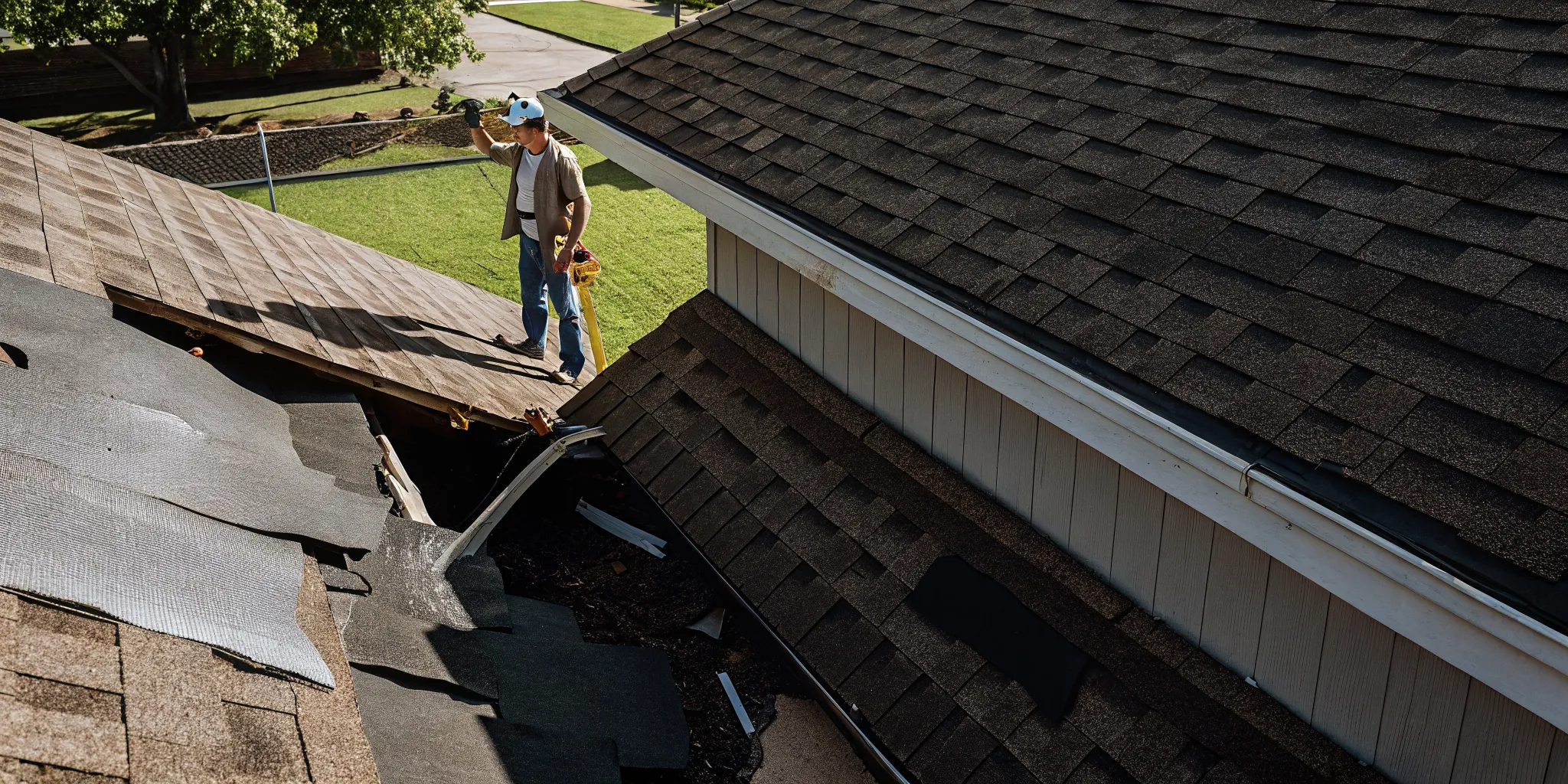
What should a professional roof inspection include?
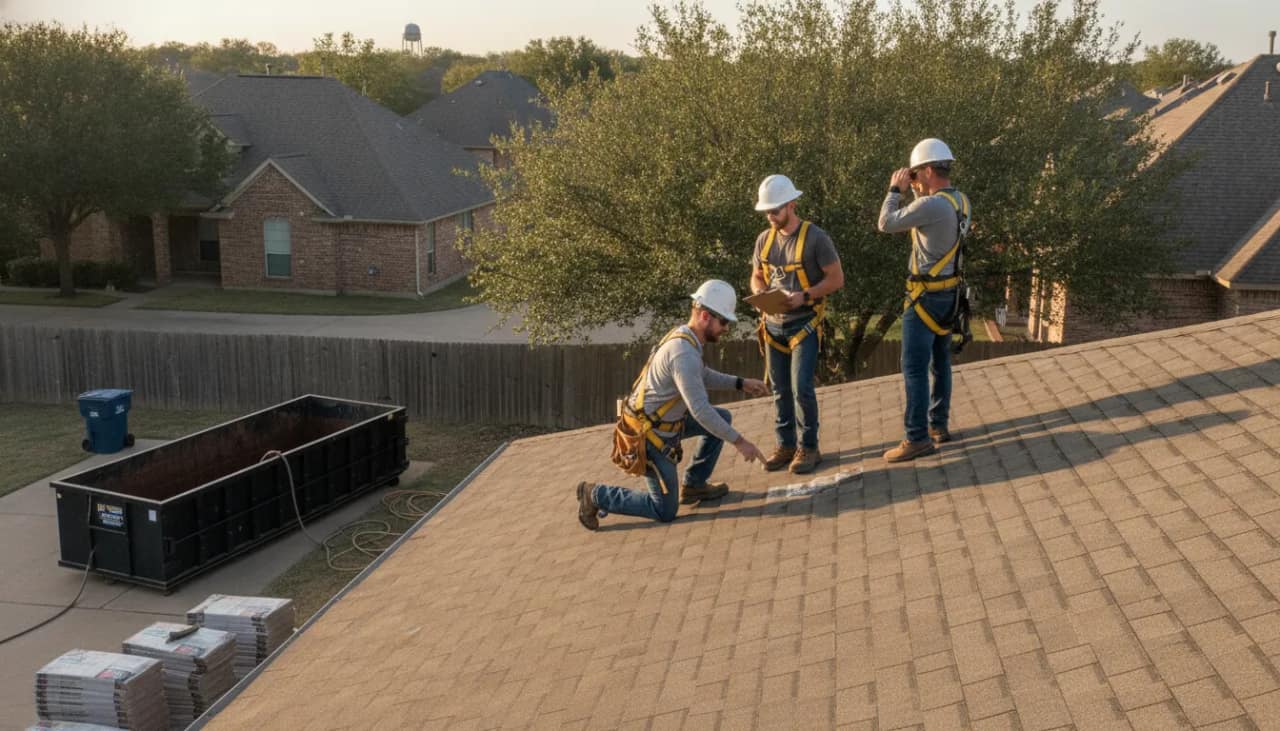
A thorough assessment is the first step in the roof repair vs replacement process. A pro will look at more than just the shingles on top of your house. They check the whole system to find hidden leaks or weak spots. This full view helps you make a smart choice about your home. Most roofing materials degrade over time due to weather and sun exposure, so a regular check is vital. Professional crews look for small issues before they become big, costly leaks.
Exterior check and surface damage
The expert starts with a close look at the outer layer. They check for missing, cracked, or curled shingles. In Houston and Austin, storm damage is a top concern for owners. A pro will look for hail dents or wind lift that you might miss from the ground. They also check the granules in your gutters. Losing too many granules means your roof is near the end of its life. If you see big areas of damage, you can use a repair vs replacement decision factors guide to see your next steps.
Flashing and seal assessments
Most leaks start at the joints. A professional roof inspection must include a check of all flashing. These are the metal bits around chimneys, vents, and valleys. The pro will check if the seals are tight and free of rust. They also look at the pipe boots to see if the rubber has cracked. Since roofing parts face high heat and rain, these seals often fail first. A good tech will test the seams to ensure they still keep water out and protect your attic.
Attic and interior moisture clues
What happens under the roof is just as important as what is on top. A pro will often go into your attic to look for wet spots or mold. They check the wood for dark stains that signal a slow leak. They also look at your vent system. Good airflow keeps the roof cool and dry. If the attic is too hot, your shingles will age much faster. This internal check helps find damage that an outer look might miss. It gives you a full picture of your roof's health and helps you plan for the future.
Documentation and written scope
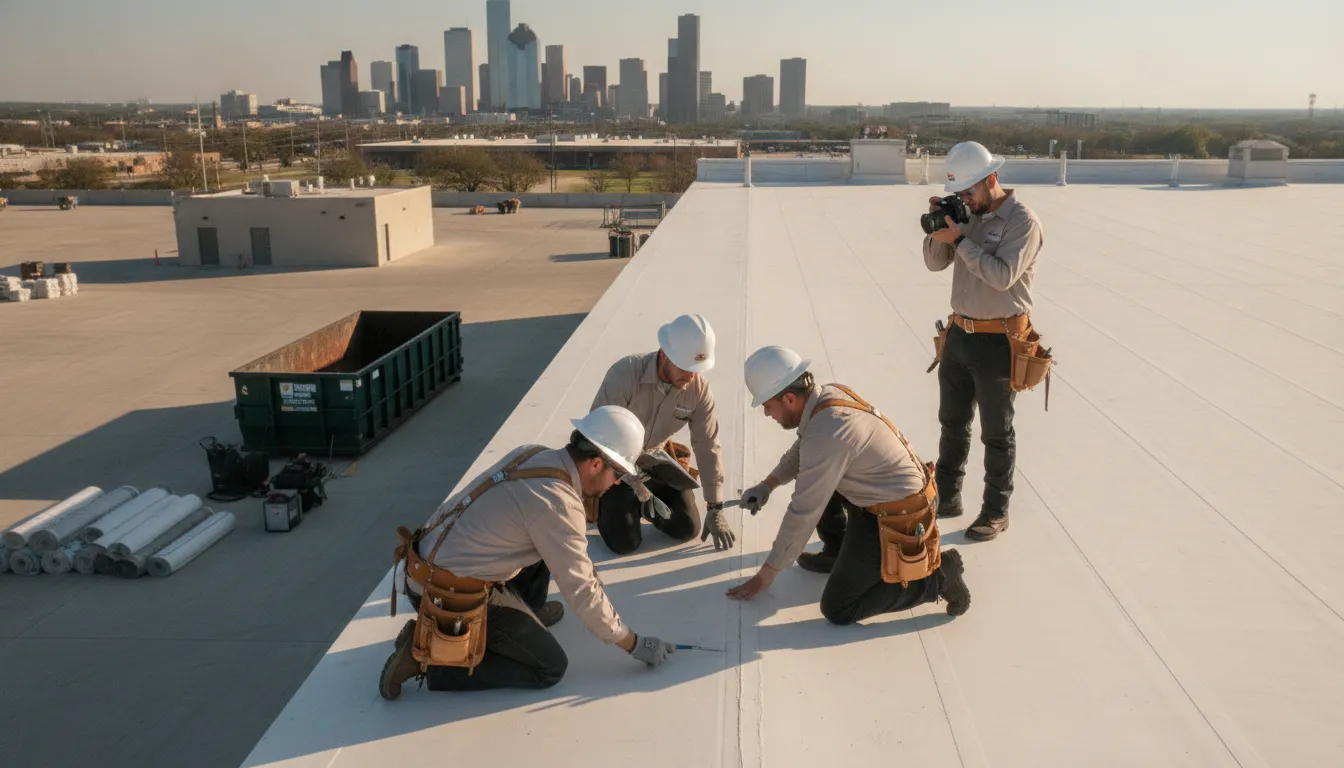
A pro will give you a full report of what they found. This should include photos of the damage and a list of needed fixes. They will explain why they suggest a repair or a full swap. If the damage covers more than 20 percent of the area, replacement is often the best path for your wallet. A clear scope of work helps you compare quotes. It also gives you the proof you need if you file a claim with your insurance company.
Frequently Asked Questions
How do I know if I need a new roof or just a repair?
A few signs can help you decide between a repair or a new roof. Look for leaks, missing shingles, or large areas of damage. If your roof is over twenty years old, you may need a full replacement. As said by Home Depot, the age and state of the roof are the main things in this choice. A trained roof check will help you find the best path for your home.
What is the average lifespan of a roof?
Most roofs last between fifteen and thirty years. This time depends on the shingles used and the local weather. For one, asphalt shingle roofs often reach twenty years with good care. Experts show that weather and material grade are the main things that affect how long a roof lasts. In areas with harsh storms, your roof may need more care or a full replacement to keep your house safe.
When is it better to replace a roof than to repair it?
It is often better to replace a roof if the damage is large. If more than one-fifth of the roof has issues, a full replacement can save you money. As noted by Home Depot, replacing a roof with bad damage is better for your budget than making many small repairs. New roofs also provide better protection and may last for decades. This choice helps prevent future leaks and keeps your home dry and safe for many years.
Does insurance cover roof repair or replacement?
Many insurance plans cover roof work if the damage comes from a storm or fire. The age of your roof and the type of damage will affect your claim. Most companies will pay for a full replacement if the roof cannot be fixed safely. You should talk to a pro who knows how to handle insurance claims to get the best result. Acting fast is key, as most claims must be filed within one to two years of the damage.
Ready to find out if you need a roof repair or a new roof?
Putting off a roof choice can lead to bad water damage and mold growth inside your home. These issues often cost more than a simple fix and can lower what your house is worth. If you act now, you can stop leaks from turning into big, high-cost jobs that hurt your life. Getting a clear answer today helps you plan your budget and pick the best path for your home. You will feel safe knowing your roof is ready for the next big Texas storm. Our team is here to give you a fair look at your roof and tell you about all your choices. We compare the cost of a fix to a new roof so you can make the right call.
Ready to schedule a free roof inspection or request a quote? Call (832) 753-5775 to book your free roof inspection today.