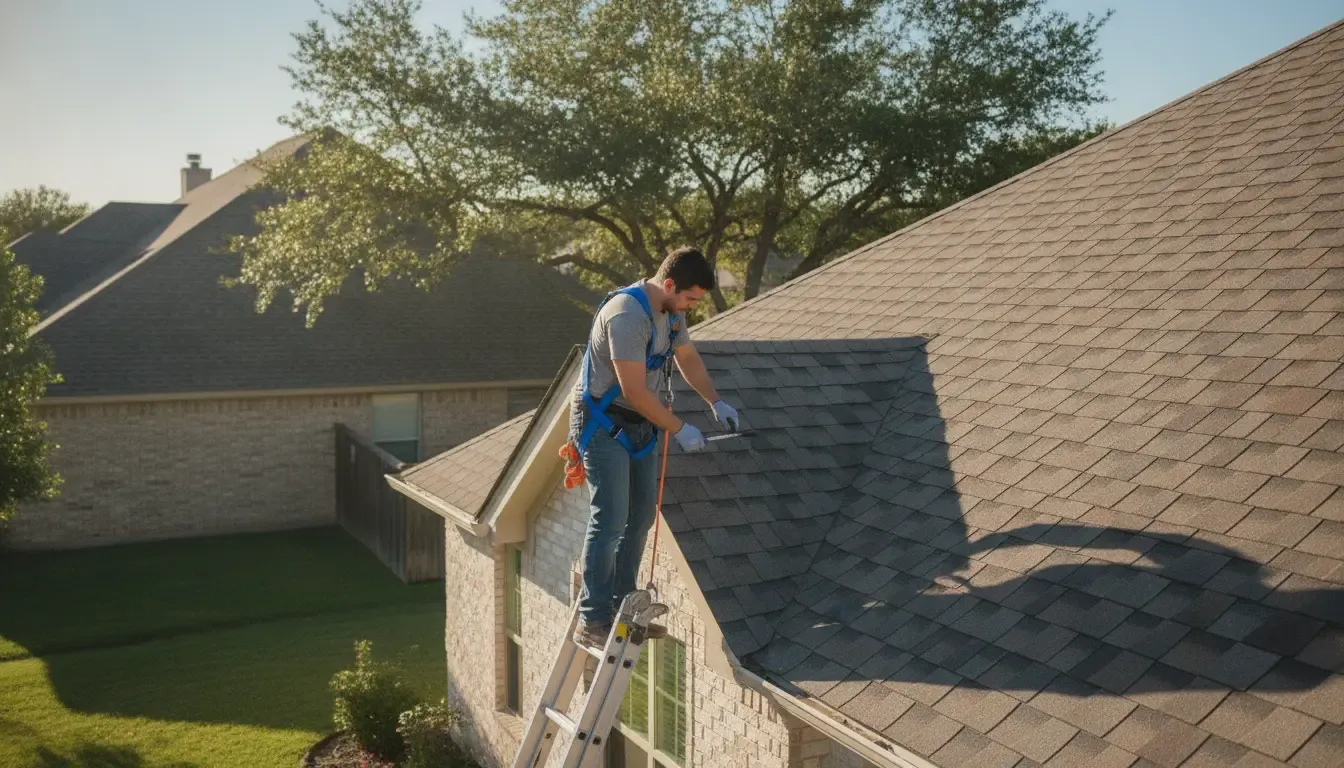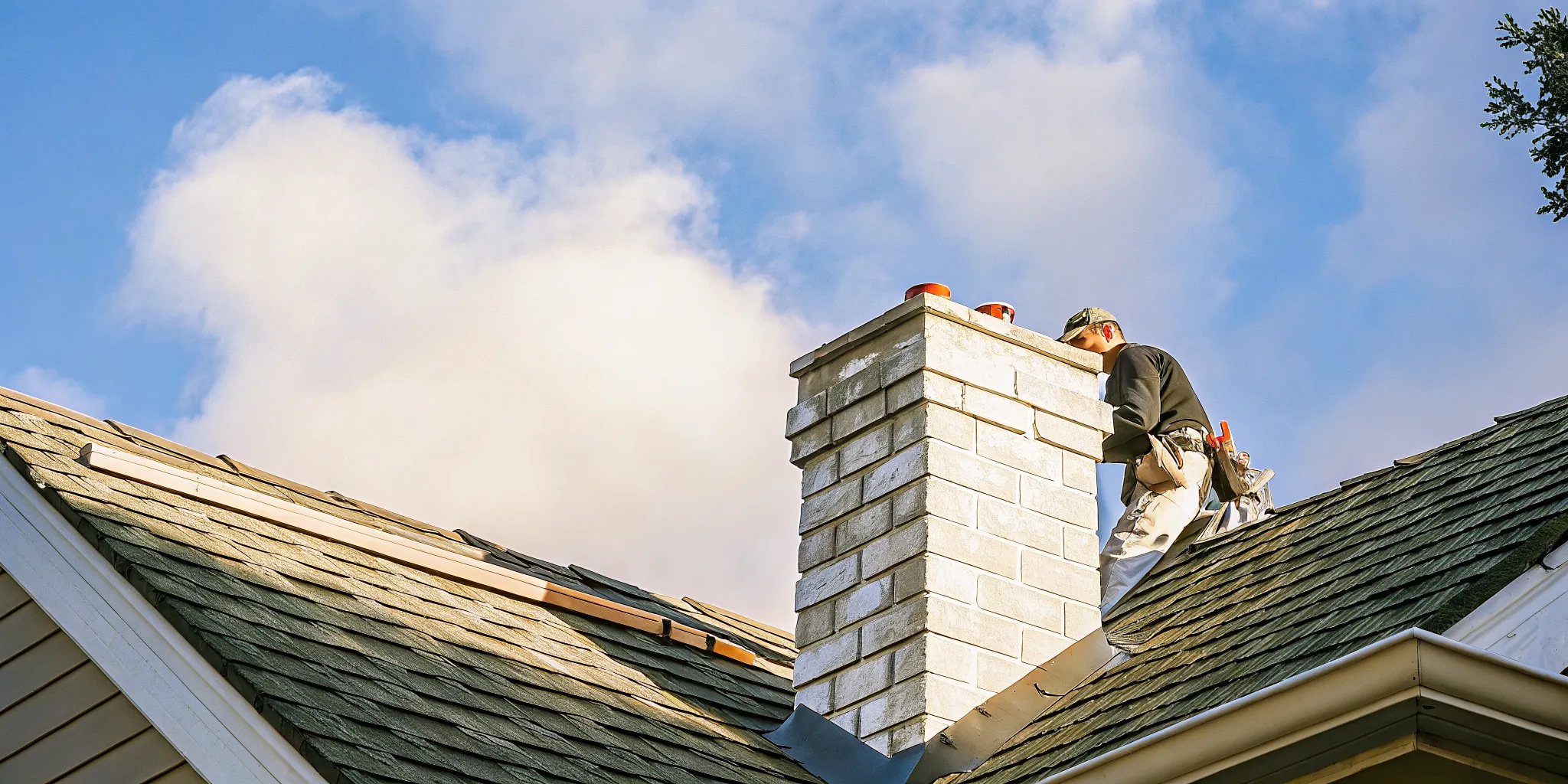
An aging roof is the most patient problem your home has. It does not slam a door or trip a breaker. It simply gets a little weaker each Texas summer, sheds a few more granules with every Gulf Coast downpour, and waits. For homeowners across Greater Houston and the Austin metro, that patience is exactly what makes an old roof dangerous: the threat is real and growing years before any visible sign reaches your living room. By the time you notice, the bill has usually multiplied.
This is not a list of reasons to panic-replace a roof that still has life in it. It is an honest look at the hidden dangers of an aging roof, why our climate accelerates every one of them, and how a little attention now prevents the expensive, disruptive failures we see far too often across Texas.
Why "Aging" Is Different From "Damaged"
Storm damage is an event. Aging is a process that happens to every roof, every day, whether the weather is calm or not, and in Texas it runs faster than almost anywhere in the country.
The asphalt binders in shingles oxidize and dry under relentless UV. Sealant strips that glue each course down soften in 150-degree attic heat and lose their grip. Fasteners work loose through thousands of expansion-and-contraction cycles, flashing metal fatigues, and pipe boots crack. None of this requires a single dramatic storm. It is simply time plus Texas sun, and it is the foundation on which every danger below is built.
Danger 1: Structural Decay You Cannot See
The most serious risk of an aging roof is what happens underneath it. As the outer layer loses its ability to shed water, moisture begins reaching the wood decking and framing. Texas humidity keeps that wood damp long enough for rot and fungal decay to set in, and rotted decking loses its strength quietly.
This is how a roof goes from cosmetic to structural. Soft, spongy decking sags between rafters, and in severe, long-neglected cases sections can fail under the weight of heavy rain, which our region delivers in volume during hurricane and tropical-storm season. A professional roof inspection looks specifically for these early cues, because catching damp decking before it rots is the difference between a small repair and a full deck replacement.
Danger 2: Mold, Moisture, and Indoor Air Quality
Where old roofs let water in, mold follows. Warm, humid attic conditions in Houston and Austin are nearly ideal for mold and mildew, and an aging roof gives them the moisture they need to thrive. The danger here is not only structural. Mold spores circulate through your attic and into the air your family breathes.
Watch for these early indicators inside the home:
- A persistent musty smell, especially in upstairs rooms or closets near the ceiling
- Brown or yellow water stains spreading on ceilings and upper walls
- Peeling paint or bubbling drywall near the roofline
- Visible dark patches on attic sheathing or insulation
Because the entry point is often far from where the stain appears, the colony is usually well established by the time you spot it. Routine roof maintenance that keeps flashing, sealant, and pipe boots tight is the single most effective way to keep moisture, and the mold it feeds, out of your attic.
Danger 3: Climbing Energy Bills
An aging roof quietly raises your cost of living. A roof works as a system with your attic insulation and ventilation to regulate the temperature of the whole house. As shingles thin and ventilation pathways degrade, summer heat pours in, conditioned air escapes, and your AC runs harder through Texas's long cooling season.
If your electric bill has been creeping upward without a change in how you live, an underperforming roof and attic are a common, overlooked cause. A modern, properly ventilated replacement system, sometimes paired with reflective or impact-resistant materials, can noticeably ease the load on your cooling equipment.
Danger 4: Wind Vulnerability Compounds Every Year
This is the danger that turns a slow problem into a sudden one. Every year an aging roof loses a little more of its sealant grip, and the next windstorm has an easier target. A shingle whose adhesive bond has dried out lifts in a gust, breaks its seal with the courses around it, and becomes a doorway for wind-driven rain.
On the Gulf Coast, where tropical systems are an annual reality, this matters enormously. A roof that would have shrugged off a storm five years ago can suffer real damage today simply because age weakened the seals in between. The cheapest moment to address an aging roof is always now, and the most expensive is the day after a storm finds the weak spot. If a storm has already passed over your neighborhood, a prompt storm damage assessment protects both your home and your insurance claim window.
Danger 5: Falling Property Value and Failed Inspections
An aging roof follows you to the closing table. Buyers and their inspectors notice a worn roof immediately, and it becomes a negotiating wedge that knocks thousands off your sale price or stalls the deal entirely. Some insurance carriers in Texas now decline to write or renew policies on roofs past a certain age, which can complicate a sale before it even begins.
The flip side is genuinely good news. A sound, well-maintained, or newly replaced roof is one of the highest-return improvements a Texas home can have, signaling to buyers that the most important system over their heads is handled. If you are weighing the math, our roofing calculator gives you a quick ballpark, and flexible financing makes the timing easier to manage.
How to Tell If Your Roof Is Aging Dangerously
You do not need to climb a ladder to spot the warning signs. From the ground and from inside your attic, look for:
- Granules collecting in gutters and at the base of downspouts, the surest sign shingles are wearing thin
- Curling, cupping, or cracking shingles, especially on south- and west-facing slopes that take the most sun
- Faded, chalky, or shiny bare patches where the protective surface is gone
- Daylight visible through the roof boards from inside the attic
- A roof you know is 15 to 25 years old, the range where most Texas asphalt shingle systems enter their risk window
One sign alone is often just a repair. Several together, on a roof past 15 years, usually mean it is time for an honest professional assessment of whether to repair or replace. Premium options like a metal roof or GAF lifetime systems last far longer and resist aging better, which is why many homeowners upgrade rather than replace like-for-like.
The Cost of Waiting, In Plain Numbers
The economics of an aging roof are simple and unforgiving. A cracked pipe boot caught today is a modest repair. Left alone, it feeds water into the decking for a year, rots the sheathing, soaks the insulation, and seeds mold, turning a small fix into a multi-thousand-dollar job that may now include drywall and attic remediation. Aging never makes a roof cheaper to deal with. It only adds zeros.
That is the entire case for acting early. Not fear, just arithmetic. Catching deterioration while it is still on the surface keeps the repair on the surface, which is exactly what regular inspection and prompt repair are designed to do.
Get a Straight Answer With a Free Inspection
For more than 9 years, Elevation Roofing & Restoration has helped homeowners across the Houston and Austin metros stay ahead of exactly these hidden dangers. As a GAF Preferred Contractor with a 5-star Google rating and a 100% satisfaction guarantee, we will show you photos of what we actually find and give you a straight answer, with no pressure to replace a roof that still has good years left.
If you do not know your roof's true condition, that uncertainty is itself a risk. Schedule a free roof inspection, a $399 value, anywhere we serve across Texas, or call (832) 271-1726. Find out what your aging roof is hiding before it decides to tell you the expensive way.