Most homeowners never think about the vents on their roof until something goes wrong, a ceiling stain appears, the upstairs feels like an oven, or a roofer mentions that the shingles aged faster than they should have. Yet in Texas, where attics can top 130 degrees in summer and humidity hangs in the air for months, attic ventilation is one of the quiet workhorses that decides whether your roof reaches its full lifespan or fails years early.
This guide explains how roof vents actually work, the main types you will see on homes across Greater Houston and the Austin metro, and how to tell whether your attic is breathing the way it should. The goal is simple: help you understand what is happening above your ceiling so you can protect the most expensive surface on your home.
What Roof Vents Do (and Why Texas Makes Them Critical)
A roof vent's job is to let your attic breathe. Warm, humid air rises and needs a way out, while cooler outside air needs a way in to replace it. When that exchange works, the attic stays close to outdoor temperature and stays dry. When it does not, two problems build up at once.
The first is heat. Under the relentless Texas sun, a poorly vented attic traps superheated air directly against the underside of your roof deck. That heat cooks asphalt shingles from below, accelerates granule loss, and bakes the sealants and adhesives that hold everything together. It also pushes cooling costs up, because that trapped heat radiates down into your living space.
The second is moisture. Showers, cooking, and Gulf Coast humidity all push water vapor into the attic. Without ventilation, that moisture condenses on rafters and decking, where it feeds mold, rots wood, and soaks insulation until it stops insulating. In a climate that swings from muggy summers to the occasional hard freeze, trapped moisture is a slow, expensive destroyer.
Proper ventilation solves both. It is one of the most overlooked factors in why two identical roofs on the same street can have very different lifespans.
Intake vs. Exhaust: The Balance That Actually Matters
Here is the single most important idea in roof ventilation, and the one most homeowners have never heard: vents only work in pairs. A ventilation system has two halves.
- Intake vents sit low on the roof, usually in the soffits (the underside of your eaves), and pull cool, fresh air into the attic.
- Exhaust vents sit high, near or at the ridge, and let hot, stale air escape.
Air enters low, warms, rises, and exits high, a continuous natural cycle driven by heat and wind. When intake and exhaust are roughly balanced, that cycle runs efficiently. When they are not, the whole system stalls. Too much exhaust without enough intake can actually pull conditioned air out of your house, and too little exhaust lets heat and moisture pool. Many ventilation problems we find during a roof inspection are not missing vents, they are unbalanced ones.
The Common Types of Roof Vents
You will encounter several styles on Texas homes. Each has a role, and most well-designed roofs combine an intake type with an exhaust type.
Ridge Vents
Installed along the peak of the roof and hidden under cap shingles, ridge vents run the full length of the ridge to release hot air evenly. Paired with soffit intake, they are the gold standard for most residential roofs because they vent the entire attic with no moving parts.
Soffit Vents
These are the primary intake vents, tucked under the eaves where they draw in fresh air at the lowest point of the attic. A ridge vent is only as good as the soffit intake feeding it, which is why these two are almost always installed together.
Gable Vents
Mounted in the triangular gable walls at each end of the attic, gable vents allow cross-ventilation. They are common on older Texas homes and can work well, though they ventilate less evenly than a ridge-and-soffit system.
Static (Box) Vents
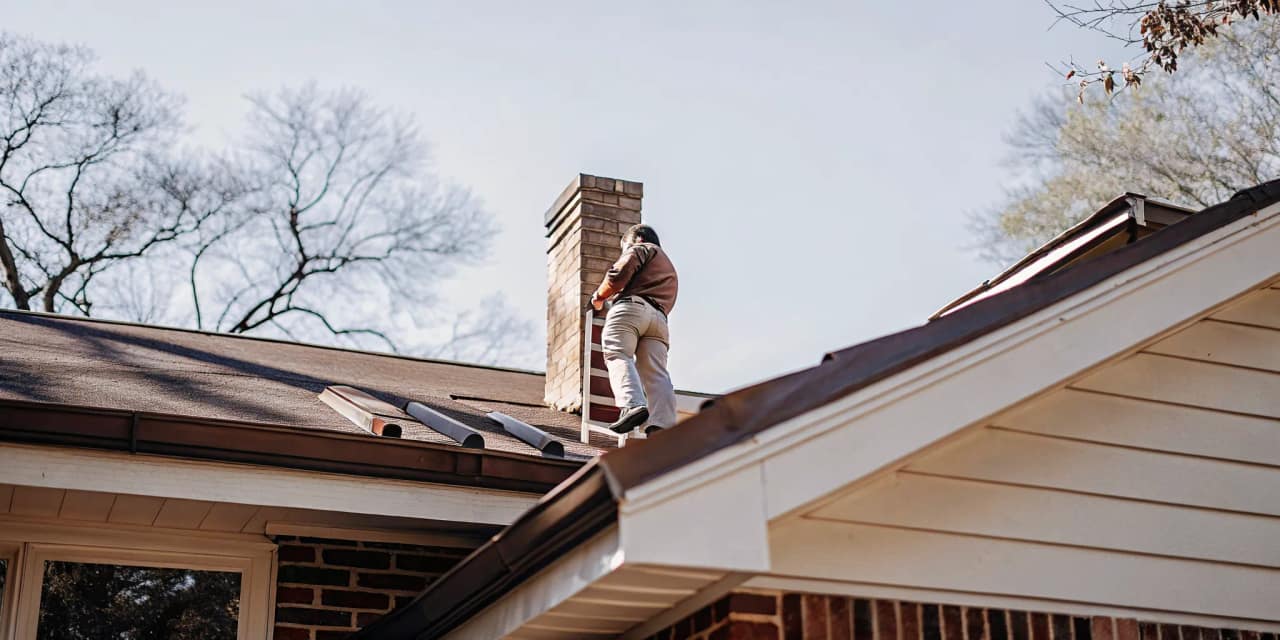
These low-profile, non-powered vents sit near the ridge and let heat escape through simple convection. Several are usually spaced across the roof. They are reliable and inexpensive but move less air than a continuous ridge vent.
Powered and Wind-Driven Vents
Powered attic fans use electricity to actively pull hot air out, while wind-driven turbines (the spinning "whirlybirds") use breezes to do the same. Both can boost airflow, but they must be matched carefully to your intake, or they can depressurize the attic and waste energy.
Signs Your Attic Ventilation Is Failing
You do not need to climb into the attic to spot trouble. Watch for these warning signs, which often point to a ventilation problem long before they cause a leak:
- An upstairs that never cools down, or cooling bills that keep climbing every summer.
- Shingles that curl, blister, or shed granules early, a sign the deck is overheating from below.
- Frost, dampness, or a musty smell in the attic, which signals trapped moisture.
- Mold or dark staining on rafters and decking.
- Rusty nail tips or sagging, soggy insulation, both classic results of attic condensation.
- Ice or moisture buildup after a rare Texas freeze.
Any of these is worth a closer look. Ventilation issues rarely fix themselves, and they quietly shorten the life of an otherwise healthy roof.
How Much Ventilation Does Your Roof Need?
The right amount depends on your attic's square footage, roof design, and whether intake and exhaust are properly balanced. A common industry baseline is one square foot of net free vent area for every 150 square feet of attic floor, split roughly evenly between intake and exhaust. But the details matter: roof pitch, the presence of vaulted ceilings, and how your insulation is arranged all change the equation. This is genuinely a case where a quick professional assessment beats guesswork, because over-venting and under-venting both cause problems. If you are planning a roof replacement or a new roof installation, it is the ideal moment to correct ventilation as part of the project.
Ventilation Is Part of a Healthy Roof System
Roof vents are not an add-on. They are part of the same system as your shingles, flashing, and underlayment, and they all have to work together. On the asphalt shingle and metal roofs we install, proper ventilation is built into the design from the start, because a roof that cannot breathe will never last as long as it should, no matter how good the materials are. Keeping that system healthy is exactly what routine roof maintenance is for.
If your upstairs runs hot, your attic smells musty, or you simply are not sure whether your roof is venting the way it should, let us take a look. Elevation Roofing & Restoration offers a free roof inspection (a $399 value) across Greater Houston and the Austin metro. As a GAF Preferred Contractor with a 100% satisfaction guarantee, we will check your ventilation balance along with the rest of your roof and tell you honestly what, if anything, needs attention, before Texas heat and humidity turn a small issue into a costly one.