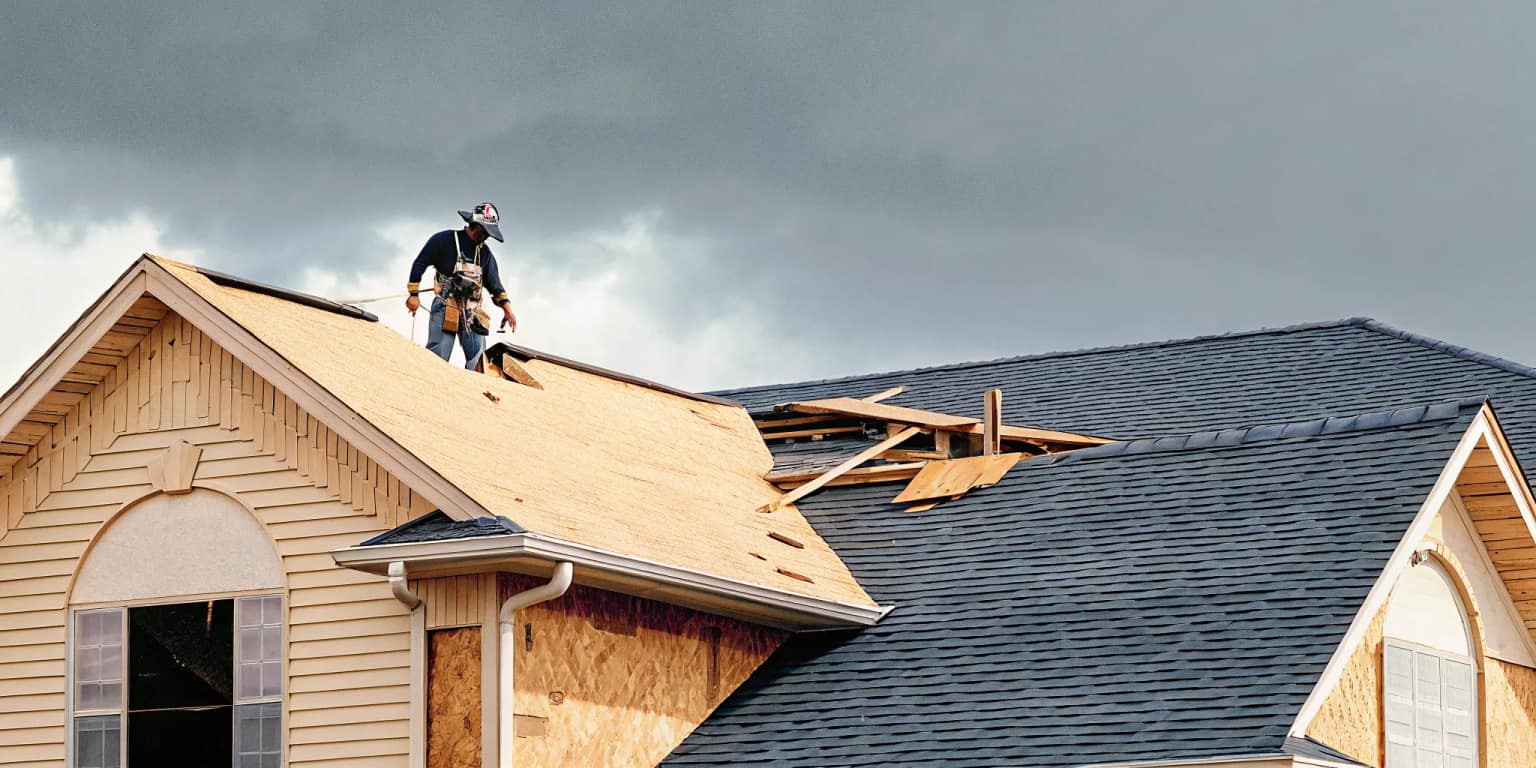
A severe Texas storm can lift shingles, dent flashing, and open a leak before you see a stain indoors. An after storm roof inspection helps you spot warning signs from the ground, document damage, and decide when a professional needs to step in, without putting yourself on an unsafe roof.
Schedule your free professional roof inspection today.
An after storm roof inspection is the process of checking your home for damage to the shingles, flashing, and gutters following severe weather. Property owners should focus on a visual check from the ground to find missing shingles, dented vents, or granules in the downspouts. This early look helps you catch leaks before they cause rot or mold inside your attic. While you can spot many problems yourself, you should never walk on a damaged roof due to the risk of falls. Instead, use binoculars to see high areas and look for signs of lift. According to Elevation Roofing, a professional check is the best way to document damage for an insurance claim. This ensures you meet the deadlines set by your insurance provider.
Your after storm roof inspection safety checklist
Start with safety: wait for the storm to pass, check the yard for hazards, and inspect the roof only from the ground before documenting visible damage.
Checking your home after a heavy storm is a key task. High winds and hail can cause damage that you cannot see from the sidewalk. But you must put safety first before you start your after storm roof inspection. Many accidents happen when people try to walk on a wet roof. It is safer to let a pro handle the high work. You should stay on the ground for now.
Check your yard first
Before you look up at your roof, look at the yard. Severe storms can knock down trees or loosen heavy limbs. You should not enter any building if it has major damage, so wait until a pro says it is safe to go in. If you hear strange noises from your home, leave right away. These sounds may mean the building is not stable. A big storm can hurt the frame of a house.
You must also watch for fallen power lines. These may hang low or sit on the ground. Never touch a wire, even if it looks dead. Call your power company to report any lines that are down in your yard right away. Safety guides from the CDC warn to stay away from these risks. A live wire can cause a bad shock or fire.
Inspect from the ground
You do not need a ladder to find most signs of storm damage. Staying on the grass is the best way to avoid a fall. You can use binoculars to get a closer look at the peak of your roof. Look for missing shingle pieces or spots where the top layer has worn away. If you see wood under the surface, you have a leak risk. A pro will need to fix this fast.
A storm damage roof assessment will help you see if you need to file a claim. Check your yard for bits of shingle or metal. You should also look at your gutters. If they are sagging or full of debris, your roof took a big hit. Hail and wind often knock off the small stones on shingles. Use this simple guide to start your own check.
- Wait for clear weather. Only go outside once the rain and wind have stopped. Wet grass and driveways are slippery. Move with care to avoid a fall.
- Wear protective gear. Put on thick work gloves and boots with good grip. If you move debris, a hard hat and goggles will keep you safe from sharp edges.
- Spot the hazards. Look for broken glass or fallen limbs before you walk near the house. Stay ten feet away from any tree that looks like it might fall.
- Note the damage. Use your phone to take photos of anything that looks wrong. These pictures help when you talk to your insurance agent later.
- Check your windows. Storms that hurt roofs often break window seals or glass. If your windows are cracked, your roof likely has damage too.
- Stay off the roof. Never climb a ladder right after a storm. Pros use special tools and training to walk on a roof without falling.
Focus on clear damage signs
A full check covers the shingles, vents, and roof edges. While you look from the ground, watch for dents in your metal vents. These marks often point to hail damage. Hail can lead to leaks that show up weeks later. A professional roof inspection checklist is a great way to find hidden issues. Pros can find small cracks that you might miss from the lawn.
Noting these signs early will help with your insurance claim. Most people have one year to file for storm repairs. Getting a pro out fast ensures you have the right proof. Working with a team also keeps you safe. You should not lift heavy items or climb high on your own. For more safety tips, you can view the CDC disaster safety guides.
What storm damage can you spot safely?
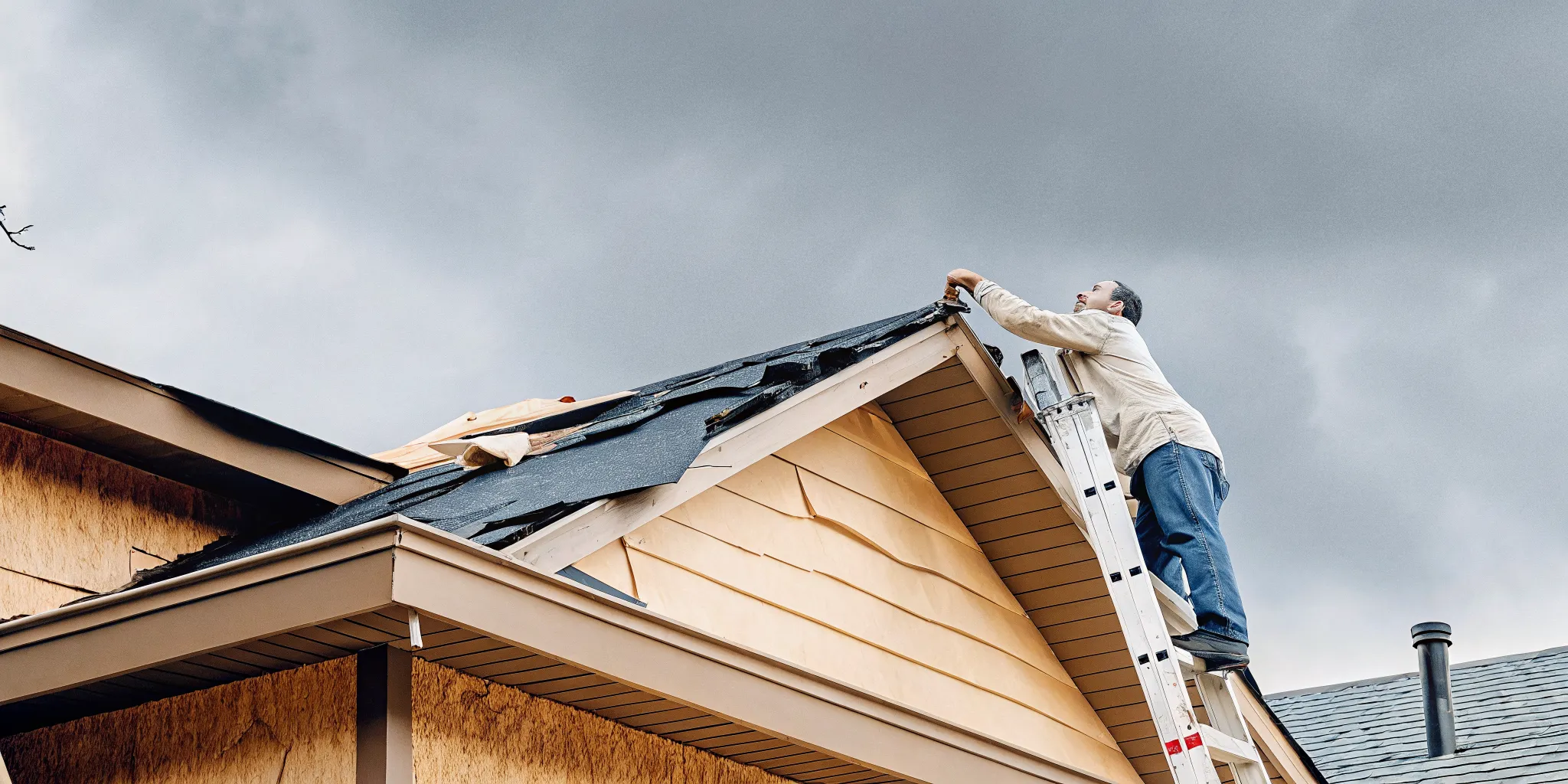
From the ground, look for missing or lifted shingles, dented metal, sagging gutters, debris, and new water stains inside the home.
From the ground, look for missing shingles, bent flashing, dented gutters, roof debris, and new water stains indoors. These visible clues can point to damage that needs professional attention. After a big storm, you should look at your roof to see if it needs help. A fast check can find problems before they get worse. But you must stay on the ground to stay safe. Walking on a wet or broken roof is very risky. An after storm roof inspection starts with a simple walk around your yard. Use your eyes to look for anything that looks out of place or broken. It is best to do this during the day when the light is bright.
Check for signs from the ground
You can find many signs of roof damage from your lawn. Look for missing or torn shingles. High winds can lift them or blow them away. You might also see small piles of grit in your gutters or on the ground. This grit comes from the top of your shingles. If too much grit falls off, your shingles will not protect your home as well. This leads to leaks and more damage.
Check the edges of your roof too. Look for metal strips that look loose or bent. These strips are called flashing. They keep water out of the joints of your roof. Also, look for branches or debris that hit the roof. Even a small limb can dent a metal roof or crack a shingle. Check your gutters and downspouts to see if they are pulled away from the house. You can use a professional roof inspection checklist to track what you see from a distance.
Look for interior damage
The inside of your home also shows signs of roof leaks. Go up to your attic with a light. Look for damp wood or spots on the wood. Even if you do not see a leak yet, wet spots mean water is getting in. Check your ceilings and walls for brown or yellow stains. These stains often show up near chimneys or vents. You should check the attic after every big storm to be sure.
Leaks can hide behind walls for a long time. If you smell mold or see peeling paint, you may have a hidden leak. Water can travel far from the actual hole in the roof. This makes it hard to find the start of the leak on your own. A storm damage roof assessment can find the exact spot where water enters. Getting a pro to look at it early saves you money later. It also prevents the growth of mold in your walls.
Watch for safety hazards
Safety is the most key part of any cleanup. Storms can leave behind harmful traps near your home. Always watch for fallen power lines that might hang low or sit on the ground. Never go near them or touch a fence that they touch. Call your power company right away if you see a line down. Power can travel through water or metal objects near the line.
Per the CDC, you should not enter a damaged building until a pro says it is safe. Listen for weird noises like creaking or popping. These sounds could mean the roof or walls are weak. If you do any cleanup work, wear hard hats and heavy work gloves. Try not to lift objects that weigh more than 50 pounds on your own. Work with a partner so someone can help if you get hurt. Staying safe helps you recover faster without getting new harm.
When should you call a professional roofer?
Call a professional roofer when you see visible damage, find an active leak, or know the property experienced hail or strong winds.
Most home owners know to look at their roofs after a big storm. You might see a loose shingle or a branch on the deck. But many types of damage are hard to spot from the ground. You should call a pro for an after storm roof inspection if you have any doubt about your home. These experts find small leaks before they grow into big costs.
Signs you need a quick inspection
You should call a roofer right away if you see clear signs of harm. High winds can lift shingle edges or tear them off. Large hail stones can leave dents that break the seal of your roof. Even if the roof looks fine, a pro can check for soft spots. These spots mean water has reached the wood below.
If a tree limb falls on your home, call for help fast. A heavy branch can crack the structure of your roof. A pro will check the beams and the deck to make sure your house is safe. They can also set up a tarp to stop water from coming in. This quick move protects your things and keeps the damage from spreading.
Hidden damage pros can find
Roofers look for more than just missing shingles. They check the storm damage roof assessment to find weak spots in the flashing and vents. Flashing is the metal trim around pipes and walls. It can pull away or crack during a storm. If this happens, water will seep into your attic and walls.
An expert will also look at the roof valleys and edges. These areas guide water to your gutters. If debris blocks these paths, water can back up under the shingles. A pro uses a professional roof inspection checklist to make sure every part of the roof is sound. They find the small gaps that a normal person might miss.
Putting your safety first after a storm
Safety should always be your first goal after severe weather. It is best to stay off your roof if you think there is damage. A storm can make the structure weak or slippery. According to the CDC, you should not enter a damaged building until a pro says it is safe. This rule helps you avoid falls or injuries from weak beams.
You should also watch for fallen power lines near your home. These lines are very dangerous and can hide under debris. A professional roofer knows how to work around these risks. They use the right gear and tools to stay safe. By calling a pro, you keep yourself out of harm's way while getting the answers you need about your roof.
The value of professional proof
A pro does more than just find leaks. They give you the proof you need for your insurance company. They take clear photos and write a full report of the damage. This record is key to getting your claim approved. Most firms want to see a detailed list of what needs repair.
Having a pro on your side makes the process easy. They can talk to the insurance person to explain the damage. This help makes sure you get the money you need for a full repair. A good roofer will track every detail from the start of the job. This work saves you time and stress during a hard time.
What to do now and what to leave to a roofer
Homeowners should document damage from the ground and prevent avoidable interior water damage, while trained roofers handle elevated inspection and repairs.
Owners should put safety first after a big storm. You can check for damage from the ground. Walk around your yard and look for missing shingles or bent metal. Do not climb on your roof to check for leaks. A damaged roof can be weak and unsafe to walk on. If you hear the building make shifting or strange noises, leave right away. This can mean the build is about to fall.
Safe moves for property owners
If you must move debris, wear the right gear. Use hard hats, goggles, and heavy work gloves when you clean up. If you are moving heavy items, work in teams of two. Do not lift anything that weighs more than fifty pounds on your own. Watch out for fallen power lines near your home. Call the power company if you see down lines. Stay far away from them to stay safe.
You can also clear small debris from your gutters to help water flow. But you should never make major fixes on your own. Focus on the easy jobs you can do on the ground first. This keeps you from feeling overwhelmed after a big storm. Taking small steps helps you manage the work without getting hurt.
Why you need an expert
A professional roof inspection checklist is key for insurance claims. Experts find damage that you might miss from the ground. They know how to check shingle seals and vents for lift. They also help you get the right proof for your claim. Most property owners have up to twelve months from the storm date to file a claim.
Do not make long-term fixes before an expert sees the roof. Doing so might hurt your insurance claim. An expert checks the flashing, valleys, and roof edges. They have the tools to do the job safely and right. You can get help with after storm repairs to keep your home dry. An expert can also spot small leaks in the attic before they cause mold.
The after storm roof inspection
The goal of an after storm roof inspection is to find weak spots. These spots could lead to leaks or big repair bills later. Experts look at the shingle surface and drainage paths. They also check the vents and plumbing pipes to make sure they are still sealed. Taking these steps now helps your roof last much longer. A pro check gives you peace of mind that your home is safe.
Proper air flow is also a big part of roof life. Vents must stay clear after a storm hits. If a storm blows debris into your vents, your attic can get too hot. This can warp your shingles over time. An expert check ensures that your roof can breathe and keep you cool.
| Task. | Homeowner (Safe). | Roofer (Expert). |
|---|---|---|
| Spotting damage. | Ground-level check only. | Full roof and attic check. |
| Debris removal. | Clean ground and gutters. | Clear large roof debris. |
| Minor fixes. | Small gutter repairs. | Sealing leaks and vents. |
| Claims help. | Call the agent. | Give proof of damage. |
| Safety gear. | Basic gloves and boots. | Full fall-stop kits. |
How should you document roof damage?
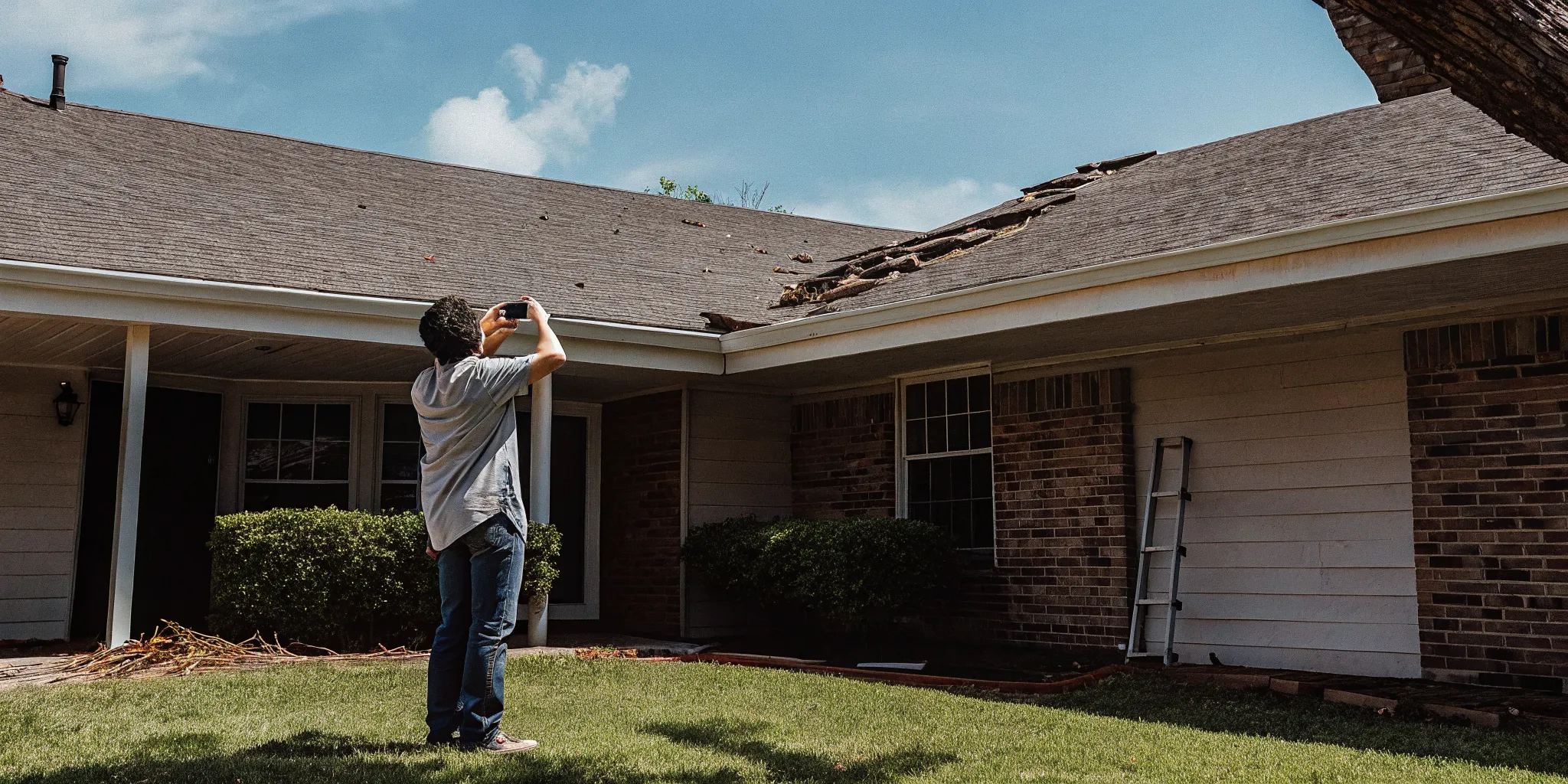
Document roof damage with dated wide-angle and close-up photos, notes about the storm, and a professional findings report.
Document roof damage with dated photos and videos taken from a safe distance, plus notes about the storm and any temporary protective work. After a storm hits, your first job is to record what happened to your home. This proof helps your insurance carrier understand the full scope of the loss. Start by taking clear photos of the ground and the roof from a safe distance. You should look for bits of metal or wood that fell during the storm. If you see signs of leaks inside, like spots on the ceiling, take photos of those as well. Keep a simple log of the date the storm hit and the type of weather you saw.
Record the date and storm details
Timing is very important when you file a claim for after storm repairs. Most policies give you a set window to report the loss. Note the exact day and time the wind or hail occurred. You can also save news clips or weather alerts to show how bad the storm was. This record helps tie the damage to a specific event. It is also wise to keep any receipts for temporary fixes, like tarps, that you used to stop more leaks.
Take clear photos and videos
Good visuals are the best way to show the state of your roof. Walk around your home and snap photos of any downed trees or debris in your yard. Look for dents in your gutters or cracks in your siding, as these often point to roof issues. You should never climb on a wet or damaged roof yourself. It is much safer to stay on the ground and use a zoom lens. According to the CDC, you should also watch for fallen power lines that might be hanging near your house.
Get a professional findings report
While your own notes help, a pro can find things you might miss. An expert roofer knows how to spot small hail hits or wind-lifted shingles. They can provide a full report that details every issue they find. This document is a vital part of your professional roof inspection checklist. At Elevation Roofing, we help you record every detail so your insurance claim is accurate and fair. We can even meet with the adjuster to point out the damage we found on your property.
Post-storm roof inspection mistakes to avoid
Avoid climbing on the roof, waiting too long, making undocumented repairs, or signing with a contractor under pressure.
After a big storm, you might want to get things back to normal fast. But moving too quickly can lead to big errors. Many people make simple mistakes that hurt their chances of a fair claim. To protect your home, you must know what to avoid during an storm damage roof assessment. Avoiding these traps helps you get the most out of your coverage.
Safety risks of a DIY climb
The most dangerous mistake is trying to walk on your own roof after a storm. Bad weather can weaken the wood under your shingles. This may cause the surface to break or give way without any warning. You should avoid entering buildings until experts say they are safe. Stay on the ground and look for fallen power lines or loud noises, which are signs of risk.
Pros have the right gear to stay safe on high slopes. They use hard hats, heavy gloves, and tough boots to prevent falls. For most, a DIY climb is a risk that is not worth taking. It is much safer to leave this work to a professional roof inspection checklist expert. They have the training to find small cracks and hidden issues that you might miss from the ground.
Waiting too long to start
Waiting too long to check for damage is another common error. You might think that if you do not see a leak, your roof is fine. But small cracks or loose seals can lead to mold and rot over time. In Texas, you often have a set time to file a claim. Most people have about 12 months to start, but waiting makes it harder to prove the storm was the cause. A quick check helps you record the roof state while the storm is still fresh.
Fixing things before the check
You may want to fix a hole or replace shingles right away to stop a leak. But making big changes before an expert sees the damage can hurt your claim. Always wait for a full check before you start major work. If you must do a temporary fix, like a tarp, take clear photos first. This ensures you have proof for your insurance. Using a pro for after storm repairs helps you get the notes you need for a smooth claim.
Signing under pressure
Beware of people who knock on doors and push for a quick signature. These people often use high-pressure tricks to get you to sign a deal too soon. A trusted local roofer will never force you to sign. They will give you a full report and let you choose the next steps. Taking your time helps you avoid scams. It also ensures your roof gets the high-quality care it needs to stay strong for years to come.
How soon should a roof be inspected after a storm?
Inspect the property from the ground as soon as conditions are safe, then schedule a professional assessment promptly if you see or suspect damage.
You should call for a professional after storm roof inspection as soon as the weather clears. Prompt action helps find small leaks before they cause big water damage to your home. In Texas, storms often bring heavy rain and high winds that can pull shingles loose or damage roof vents. If you wait too long, you might miss the chance to link the damage to a specific storm date for your insurance company.
The need for speed
Timing is key when you want to protect your property after a severe storm. Most roofers suggest getting an inspection within 24 to 48 hours after the storm ends. This quick check allows you to start the after storm repairs process early. A fast response is even more vital if you hear shifting or strange noises from your roof, which can be a sign of structural failure.
Leaving a damaged roof open to the elements for weeks can lead to mold or rot in your attic. Homeowners should focus on their most important cleanup tasks first to stay organized during recovery. While you wait for a roofer, you can look for fallen trees or debris from the ground. Stay clear of fallen power lines and report them to your electric company to keep everyone safe.
Get a free professional roof inspection and a clear damage assessment.
Frequently Asked Questions
What is included in a post-storm roof inspection?
A full check covers many parts of your home. Experts look at the shingle surface to find dents from hail or tears from wind. They also check the flashing around pipes and vents to ensure no water can seep in. According to Elevation Roofing, a pro will look at roof edges, valleys, and drainage paths too. This thorough look finds small gaps that might lead to big leaks if left alone.
Does a post-storm roof inspection help with insurance claims?
Yes, getting a pro look is a key step for your claim. An expert can find signs of damage that are hard to see from the ground. They provide a full report with photos that prove when and how the storm hurt your home. This proof makes it much easier to show your insurance agent why you need repairs. It is best to have this document ready before you file any paperwork with your provider.
Can I inspect my own roof after a storm?
You can check your yard and roof from the ground, but you should not climb a ladder yourself. Safety is the top goal after a storm. Wet or damaged roofs are very slippery and may be weak. The CDC warns that people should use caution and stay away from risks like fallen power lines during cleanup. It is much safer to use binoculars from the grass and let a trained pro handle the high work.
Should you get your roof inspected after every storm?
It is a good idea to look for damage after any severe weather with high winds or hail. Even if you do not see a leak yet, small hits can break the seal of your shingles. Over time, these spots will allow water to reach the wood deck. A quick check helps you find these issues early so you can avoid high costs later. If your area had large hail or winds over fifty miles per hour, you should call for a pro check.
Ready to schedule your free roof inspection today?
Waiting to check your roof after a big storm is a risk you should not take. Small cracks or missing shingles can let water in and cause mold to grow inside your walls. These issues often stay hidden until they become costly leaks that damage your home and what is inside. If you act now, you can find these problems early and save a lot of money on future repairs. Starting today also gives you the best chance to get your insurance claim handled quickly by your firm. Our team will help you look at every part of your roof to make sure it is safe for your family. You can find more tips on our professional roof inspection checklist page.
Ready to act? Call (832) 271-1726 to schedule a roof inspection with our local team today.