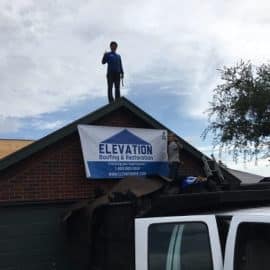
Your roof is the hardest-working part of your home, and in Texas it earns every dollar you spent on it. Between blistering summer UV, sudden hail, Gulf Coast hurricanes, and the occasional hard freeze, a roof here faces a wider range of stress than almost anywhere in the country. The good news is that protecting it does not require climbing up there every weekend. It takes a few simple habits, spread across the year, that catch small problems before they become five-figure repairs.
This guide gives homeowners across Greater Houston and the Austin metro a practical, season-by-season roof maintenance plan, plus the warning signs that mean it is time to call a professional. Think of it as a maintenance calendar built specifically for the Texas climate.
Why Year-Round Roof Maintenance Matters in Texas
Most roof failures are not sudden. They start as a lifted shingle, a cracked bead of sealant, or a pinhole in flashing, and they get worse quietly until a storm exposes them. By then, water has already found the decking, the insulation, or your ceiling.
Routine maintenance flips that script. A roof that is inspected and touched up regularly can reach or exceed its full rated lifespan, while a neglected one often fails years early. For a Texas homeowner, the math is simple: a handful of seasonal habits cost almost nothing, while a major roof replacement is one of the largest expenses a home will ever face.
A Season-by-Season Texas Roof Maintenance Calendar
Our climate has its own rhythm, so a generic "spring and fall" checklist does not quite fit. Here is what actually matters, and when.
Spring: Prepare for Storm and Hail Season
Spring is the most important season for Texas roofs. Severe thunderstorms, hail, and high winds peak from March through June, so the goal is to enter that window with a roof in top shape.
- Look for winter damage. After any hard freeze, scan for cracked, curled, or missing shingles from the ground or an upstairs window.
- Clear gutters before the rains. Clogged gutters back water up under shingles during heavy spring downpours. Our gutter cleaning guide covers the safe way to do this.
- Trim overhanging branches. Limbs that scrape shingles or fall in a storm are a top cause of avoidable damage.
- Schedule a professional inspection. A pre-storm roof inspection documents your roof's condition, which is invaluable if you later need to file a hail or wind claim.
Summer: Defend Against Heat and UV
Texas summers are brutal on roofing materials. Rooftop surface temperatures can climb well past the air temperature, and that relentless UV slowly breaks down asphalt shingles, dries out sealants, and warps lower-quality materials.
- Check attic ventilation. A hot, poorly ventilated attic cooks your roof from below and drives up cooling bills. Look for proper soffit and ridge airflow.
- Inspect for blistering or granule loss. Bald spots on shingles and granules collecting in gutters signal sun-driven wear.
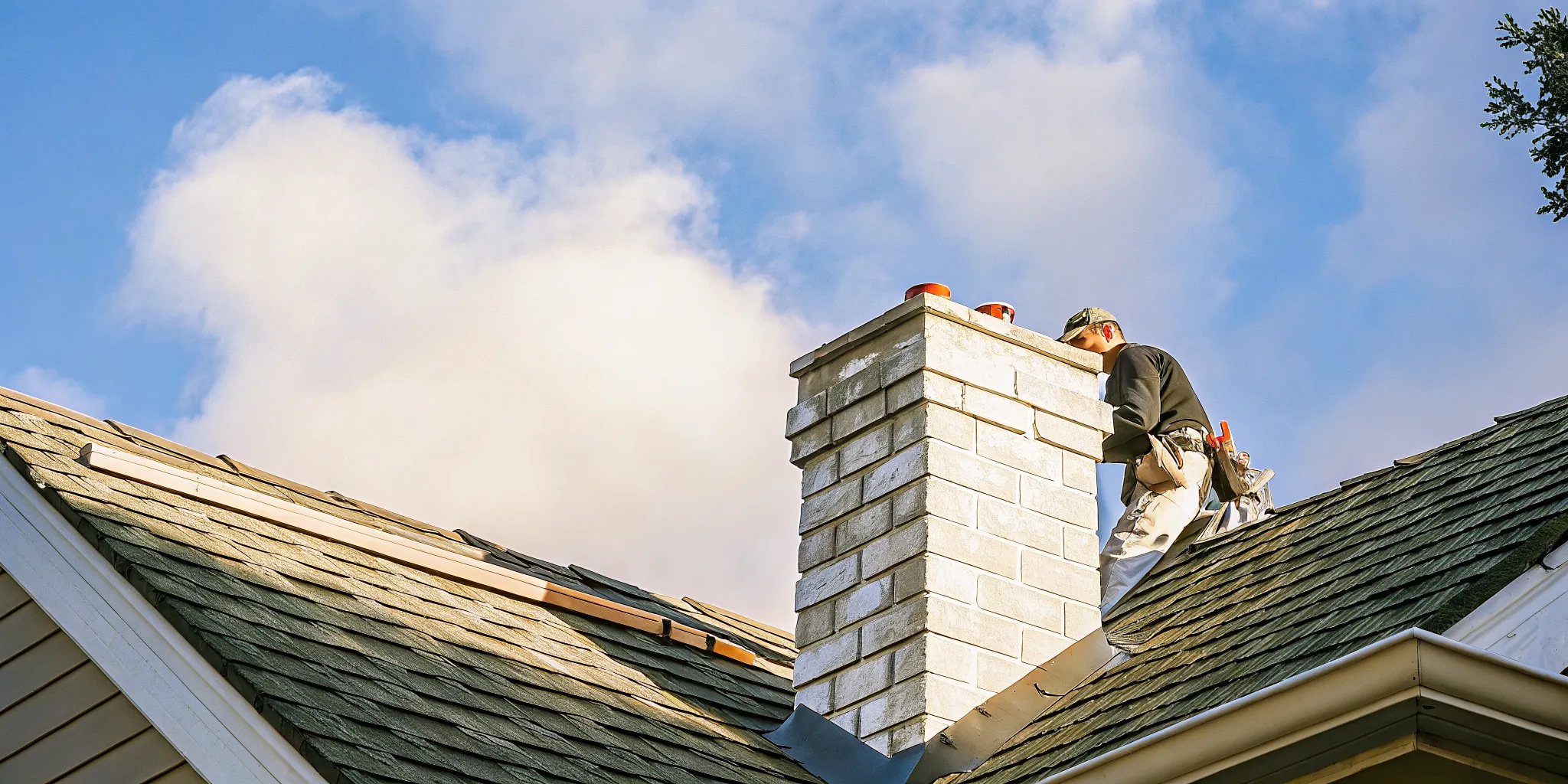
- Watch sealants and flashing. Heat expands and contracts roofing components daily, which eventually cracks the caulk around vents, chimneys, and skylights.
Fall: Get Ready for Hurricane Season and Winter
Atlantic hurricane season runs through November, and the Gulf Coast stays exposed to tropical storms well into autumn. Fall is also when Texas trees finally drop their leaves.
- Re-clear gutters and downspouts after the late-season leaf drop so water drains freely.
- Secure or inspect anything that could become a projectile in high winds, including loose flashing and ridge caps.
- Confirm storm readiness. If a tropical system is forecast, our hurricane prep guide walks through the steps that matter most.
Winter: Watch for Freeze and Moisture Damage
Winters are mild here, but the occasional hard freeze, like the events Texas has seen in recent years, can be punishing for roofs not built for it.
- Look for ice-related stress after a freeze, especially around valleys and flashing where water can refreeze.
- Check for interior moisture signs such as ceiling stains, musty smells, or condensation in the attic.
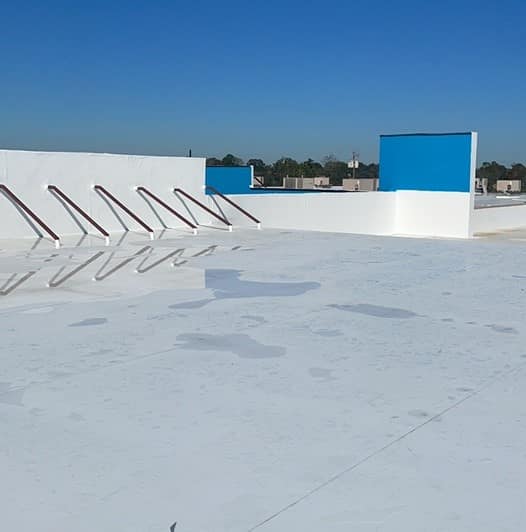
- Keep an eye on flat and low-slope roofs, where standing water from winter rain has nowhere to go.
The Maintenance Tasks That Matter Most
Across every season, a few core checks do the heavy lifting. If you remember nothing else, remember these.
- Inspect the shingles or panels. Missing, cracked, curled, or buckled materials are the most common entry point for leaks. This applies whether you have asphalt shingles or a metal roof.
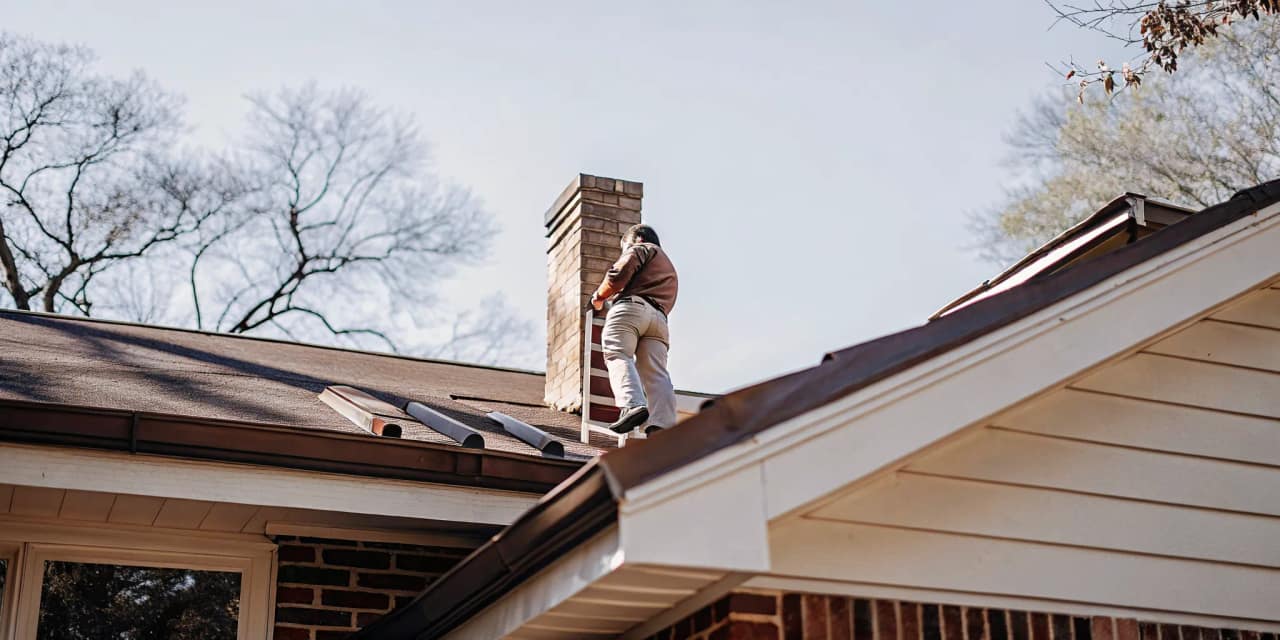
- Check the flashing. The metal seals around chimneys, vents, valleys, and skylights are where most leaks actually begin, not in the open field of the roof.
- Keep gutters and drainage clear. Water needs a controlled path off the roof and away from the foundation.
- Inspect after every major storm. High winds and hail loosen materials and cause damage that is rarely visible from the ground. Look for dented vents, bruised shingles, and granules in the gutters.
- Watch the inside, too. Water stains on ceilings, peeling paint, sudden drafts, or a spike in energy bills often signal a roof problem before you ever see it from outside.
What Homeowners Should Leave to a Professional
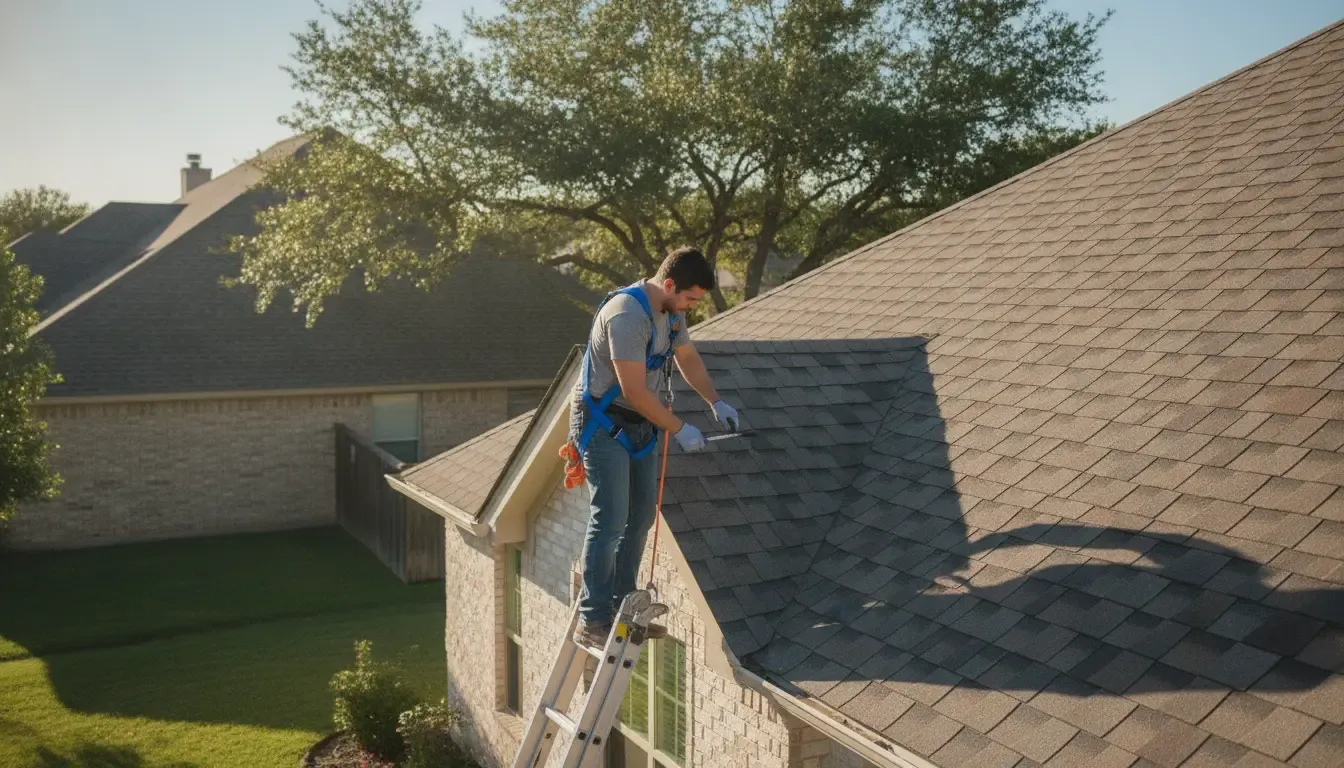
Plenty of maintenance is safe from the ground or an upstairs window. But Texas roofs are steep, hot, and often slick, and a fall is never worth it. Bring in a professional when you need to:
- Walk the roof itself, particularly on two-story homes or steep pitches.
- Assess storm or hail damage, which a trained eye catches long before it becomes a leak. We handle this through storm damage repairs and work directly with your insurance on the claim.
- Repair flashing, replace shingles, or reseal penetrations, which need to be done correctly to actually keep water out.
- Get a documented condition report for your records, insurance, or an upcoming home sale.
This is exactly where a maintenance habit pays off. A professional roof maintenance visit spots the lifted shingle and the cracked sealant while they are still cheap fixes, instead of after they have let water into your home.
Turn Small Habits Into a Longer-Lasting Roof
You do not need to become a roofing expert to protect your home year-round. A short seasonal routine, clear gutters, a glance at the shingles, a check after every big storm, and one professional inspection a year, keeps your roof doing its job through Texas heat, hail, and hurricanes alike.
If it has been a while since anyone looked closely at your roof, or a recent storm has you wondering what is happening up there, let us take a look. Elevation Roofing & Restoration offers a free roof inspection (a $399 value) across Greater Houston and the Austin metro. As a GAF Preferred Contractor with a 100% satisfaction guarantee, we will tell you honestly what we see and what, if anything, needs attention, before a small problem turns into a costly one.