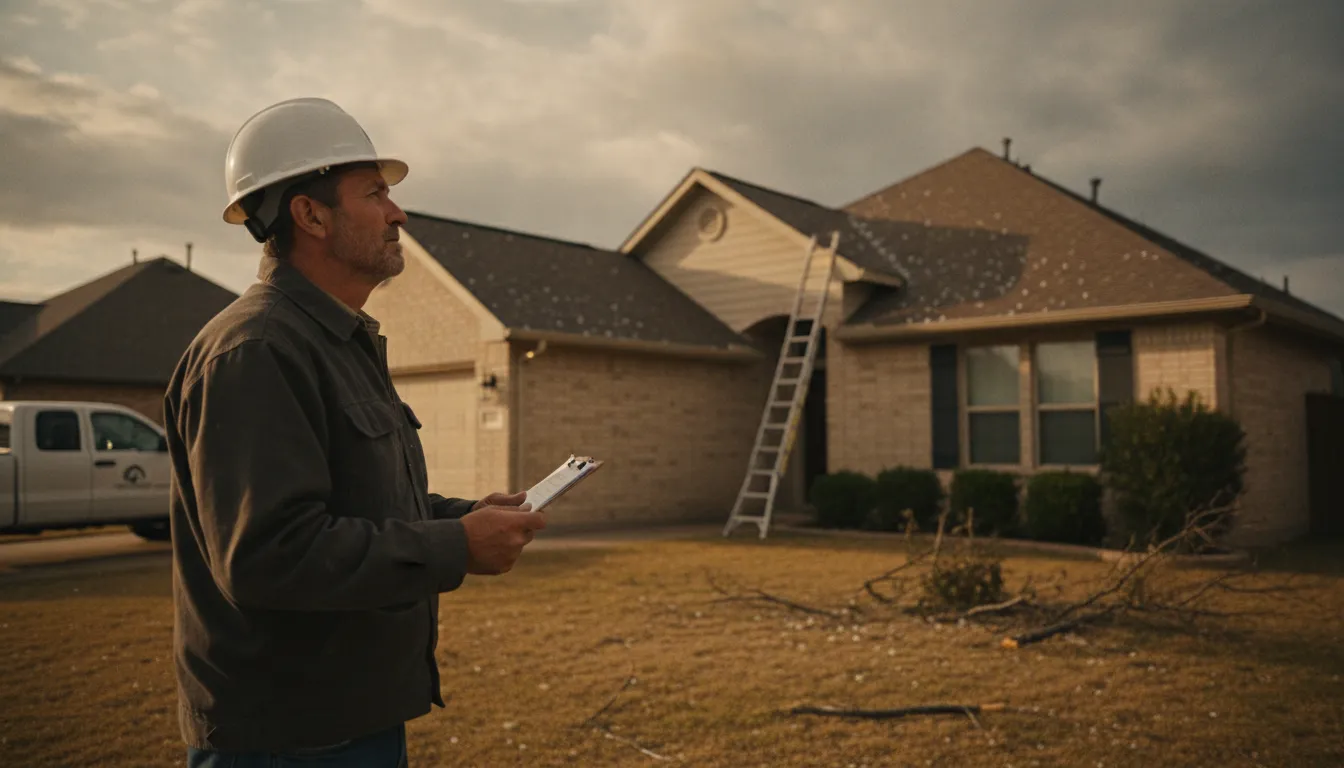
Hail can leave a roof looking ordinary while damaging shingles, flashing, vents, gutters, or the layers beneath the surface. In Texas, a careful response matters because heat, wind, and heavy rain can expose small weaknesses after the storm has passed.
Call Elevation Roofing & Restoration at (832) 271-1726 for a free roof inspection and estimate.
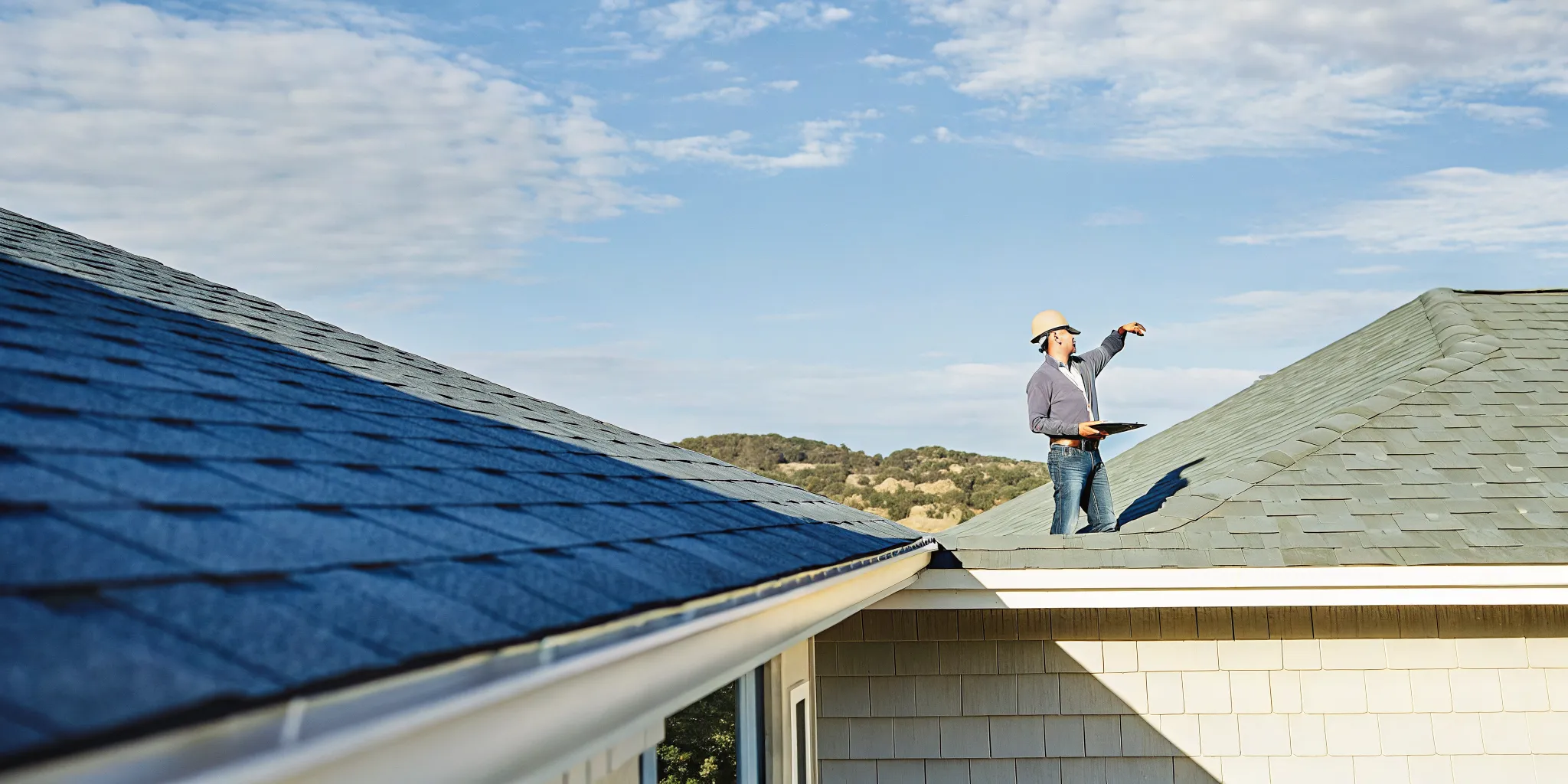
Hail damage roof repair starts with safety, clear photos from the ground, and a professional inspection. That process helps separate visible issues from hidden damage. It gives homeowners, property managers, and facility leaders better information. They can then decide whether targeted repairs or a roof replacement review makes sense.
Begin by protecting people and property, recording what you can safely observe, and checking interior spaces for signs of moisture. Then use the inspection findings to organize the next steps for your home or commercial building.
What Should You Do After Hail Damages Your Roof?
Hail can leave obvious marks, but it can also affect roof components without creating an immediate interior leak. After the storm, focus first on safety and preventing additional damage. Then document what you can observe without climbing onto the roof, and arrange a professional assessment before deciding on repairs.
- Protect people and limit immediate hazards. Keep family members, employees, tenants, and visitors away from fallen branches, loose materials, broken skylights, and areas with active leaks. Do not walk on a wet, damaged, or steep roof. If water is entering, place containers under drips and move furniture, equipment, or inventory away from the affected area when it is safe to do so.
- Check the property from ground level. Look for displaced or missing shingles, dented metal, cracked tile, damaged gutters, loose fascia, broken vents, and visible debris. Hail damage may include dents, cracks, and granule loss that are not immediately apparent from the ground, so treat this as an initial observation rather than a diagnosis. A standing-seam metal roof needs a specialized hail assessment.
- Record the condition promptly. Take wide photos or video of each affected side of the home or building. Followed by closer images of visible roof-edge components, siding, windows, gutters, downspouts, and outdoor equipment. Photograph interior staining, damp drywall, ceiling leaks, or wet insulation. Save copies with the date and property location, and keep receipts for any temporary mitigation or emergency cleanup.
- Use temporary mitigation when appropriate. A qualified professional may recommend tarping, a temporary leak repair, debris removal, or another measure to help limit further water intrusion. Do not make permanent repairs before the damage is documented, and do not attempt roof work without the right training and safety equipment.
- Arrange a complete inspection. A professional roof inspection can review the shingles or covering, flashing, vents, fascia, soffits, gutters, and drains. It can also include moisture detection, hail assessment, and water-ingress evaluation. The resulting documentation helps clarify whether the next step is localized storm damage repair, restoration, or a broader roof review.
For a residence, prioritize protecting occupants and preventing interior damage. For a commercial property, also note affected tenant areas, inventory, business equipment, drainage paths, and access points. Property managers and facility teams should coordinate safe access and preserve records while keeping operations moving where possible. In either setting, an inspection is the point where ground-level observations become a practical repair plan.
How Do You Document Hail Damage Before Repair?
Good documentation gives you a clearer record of what happened and helps a roofing professional evaluate the full scope of work. Start from a safe location after the storm, then organize your evidence before debris, temporary repairs, or additional rain changes the condition of the property.
Do not climb onto a wet, unstable, or visibly damaged roof. Hail can affect surfaces and components that are difficult to see from the ground, and walking on damaged roofing can create additional safety risks or worsen the damage. Instead, arrange a professional roof inspection for close-up evaluation.
Build a complete storm record
Record the date and approximate time of the hailstorm, the property's address or location, and which areas received the most impact. For a commercial building, note the affected roof sections, entrances, equipment areas, and any operational interruption. For a home, include each affected elevation and any detached structures that may have been exposed.
From the ground or another safe vantage point, take wide photos that show the entire roof plane and surrounding property. Follow them with close photos of visible damage, but do not put yourself in danger to reach a better angle. The Texas Department of Insurance recommends taking pictures and video of storm damage, then making a list of damage inside and outside the property. Texas insurance guidance also advises retaining damaged items until the insurer provides instructions.
- Photograph each affected elevation, roof plane, gutter run, and visible exterior component.
- Note dents, cracks, granule loss, displaced materials, damaged vents, flashing, fascia, soffits, drains, or gutters.
- Check ceilings, attic areas, walls, and insulation for signs of interior moisture without entering unsafe spaces.
- Document mitigation, such as tarping, temporary leak repairs, debris removal, or measures taken to limit water intrusion.
- Save maintenance records, prior inspection reports, roofing project documents, warranties, and receipts for temporary work.
Request a written inspection report
A qualified inspection can examine shingles or other roof coverings, fascia, soffits, drains, gutters, vents, and flashing. It may also include moisture detection, hail assessment, and water-ingress evaluation. Ask for a written report that identifies the observed condition, affected components, photos, and recommended next steps. Post-storm inspections can document less obvious damage for future repair planning and insurance records.
Keep your photos, videos, records, receipts, and report together. Documentation does not guarantee insurance coverage or payment, because policies vary. But it gives you and the insurer a more useful factual record when evaluating hail damage roof repair.
What Hidden Damage Can Hail Cause?
Hail can leave more than a few obvious marks on a roof. Impact may create dents, cracks, and areas of granule loss across shingles or other roof coverings. Some damage is difficult to see from the ground, especially when the roof is dirty, steep, shaded, or viewed from only one side. A visual check can raise a concern, but it cannot determine the full repair scope.
Look for patterns rather than focusing on one isolated mark. Dented vents, flashing, or metal edging may show where hail struck. Shingles can lose protective granules or develop fractures around their surface. Flashing around roof penetrations may bend or separate, creating a path for water. If you want a visual reference before an inspection, review what hail damage looks like, then treat any suspected sign as a reason to document the area and arrange a closer evaluation.
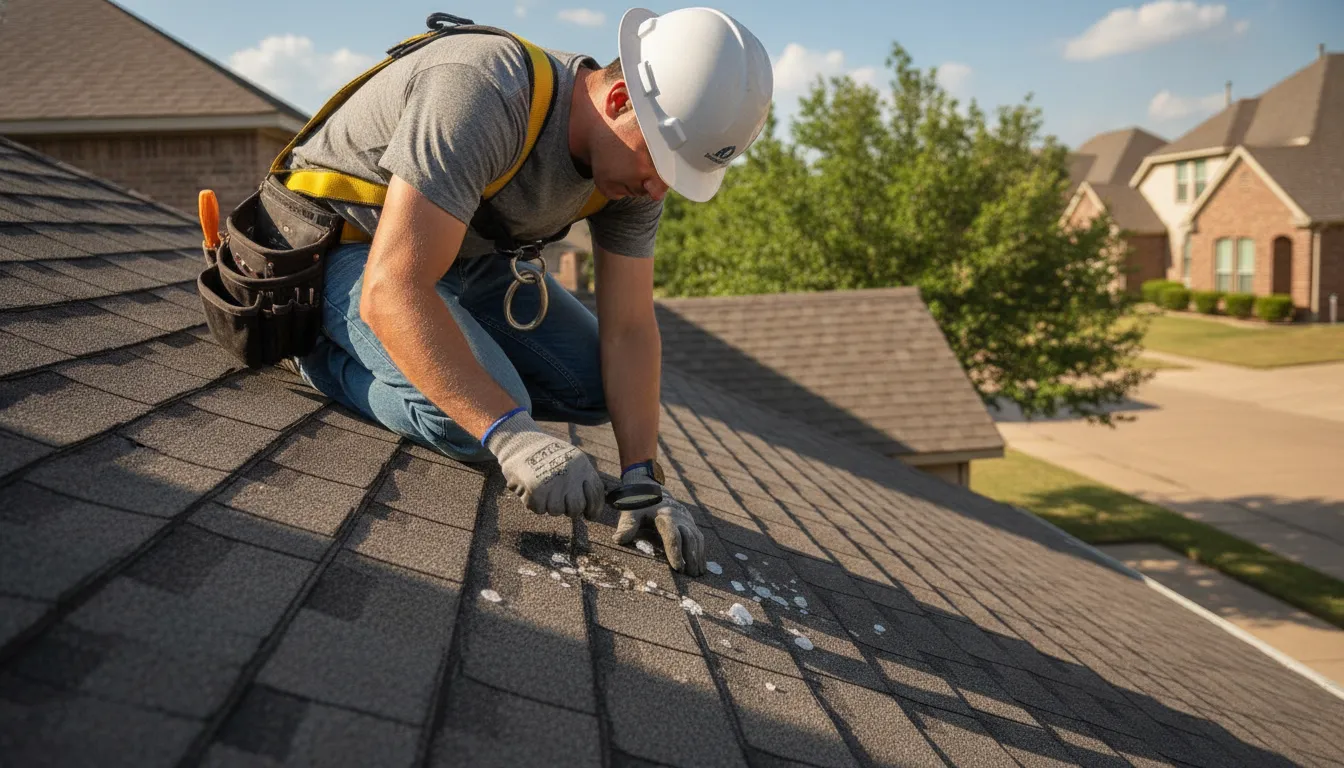
Hidden problems are not limited to the shingles. A thorough roof assessment can include:
- Fascia and soffits along the roof edge, which may show impact or water-related deterioration.
- Gutters, drains, and downspouts, where dents, blockages, or displaced components can affect drainage.
- Vents, pipe boots, skylights, and flashing, which can be damaged at roof openings and transitions.
- Moisture and signs of water entry in the roof system or interior areas below it.
These components work together. A damaged gutter may not cause a roof leak by itself, but poor drainage can direct water toward vulnerable edges or wall areas. A cracked flashing detail may admit water only during certain wind and rain conditions. Moisture detection and water-ingress evaluation can help identify concerns that are not apparent during a ground-level inspection. Elevation's professional roof inspection covers shingles, fascia, soffits, drains, gutters, vents, and flashing, along with hail assessment and moisture evaluation.
Metal roofs also deserve careful handling. Standing-seam panels may show dents or finish damage, but the effect on the roof system depends on the panel, seams, fasteners, penetrations, and surrounding details. Assessment should be performed by someone familiar with that material rather than judged by appearance alone. The same principle applies to tile, low-slope systems, and older roofs. After an inspection, the findings can support a focused repair, restoration, or a broader replacement review. The goal is to address verified damage before it becomes a larger water or property-management problem, without assuming every hail-affected roof needs replacement.
When Is Hail Damage Roof Repair the Right Choice?
Localized repair can make sense when hail affects a limited area and the rest of the roof system remains serviceable. A few damaged shingles, a section of flashing, or an isolated leak may be addressed without replacing every roofing component. The right decision depends on what an inspection finds, not only on what is easiest to see from the ground.
Hail damage may appear as dents, cracks, or granule loss, and some damage is not immediately visible to property owners. A professional assessment can review the covering along with flashing, vents, fascia, soffits, gutters, drains, and moisture or water-intrusion concerns. These findings help separate a repairable area from a roof system that needs a broader replacement review. Explore hail damage roof repair services when you need a documented scope of work.
| Repair-fit signals | Replacement-review signals |
|---|---|
| Damage appears limited to a defined area. | Damage is widespread across multiple roof areas or components. |
| The underlying roof system remains in serviceable condition after inspection. | The roof is older, has recurring leaks, or is beyond cost-effective repair. |
| A targeted repair can address the observed leak, covering damage, or related component issue. | Inspection findings suggest that isolated repairs would not reasonably restore the roof system. |
| Materials can be matched appropriately and the repair scope is clear. | Material condition, extensive wear, or multiple repair areas make a larger plan more appropriate. |
Why an inspection should come before the decision
Choosing repair does not mean ignoring less visible findings. A post-storm inspection can document damage that may otherwise create future problems, while also creating useful records for an insurance conversation. It is reasonable to ask for photographs, a written description of affected components, and a clear explanation of which areas can be repaired and which require further evaluation.
Replacement should not be recommended simply because hail occurred. Conversely, a small visible mark should not automatically be treated as an isolated issue if the roof has age, leaks, or broader wear. Repair scope depends on the material, roof age, damage extent, overall condition, and whether the proposed work is economically practical. For a home, that evaluation protects the occupied space below. For a business, it also helps clarify the work needed across the property without assuming every roof section has the same condition.
When Should You Consider Roof Replacement After Hail?
Hail damage does not automatically mean a roof needs to be replaced. The right decision depends on the roof's age, its overall condition, the extent of the storm damage, and whether repairs can restore dependable performance. A professional evaluation should separate isolated damage from problems affecting the roofing system as a whole.
Age and repeated leaks matter
Age becomes more important when hail exposes weaknesses that were already developing. Elevation Roofing generally considers replacement when a roof is older than 20 years, is leaking, or has moved beyond cost-effective repair. That guideline is not a diagnosis. Some older roofs may still have a practical repair path, while a newer roof with extensive damage may need a broader recommendation.
Repeated leaks are another reason to look beyond the latest visible impact. If the same areas continue to leak after previous repairs, the issue may involve more than one damaged shingle or tile. An inspection can assess the covering, flashing, vents, fascia, soffits, drains, gutters, and signs of moisture or water intrusion. Post-storm documentation can also record less obvious damage that could create future problems, according to Elevation's storm-repair guidance.
Look at the whole roof system
Widespread dents, cracks, or granule loss can change the scope from a localized fix to a replacement review. So can damage across multiple roof elevations, recurring moisture, deteriorated components, or a system that has already received several major repairs. The goal is not to replace sound materials unnecessarily. It is to avoid treating one symptom when the roof's condition calls for a more complete solution.
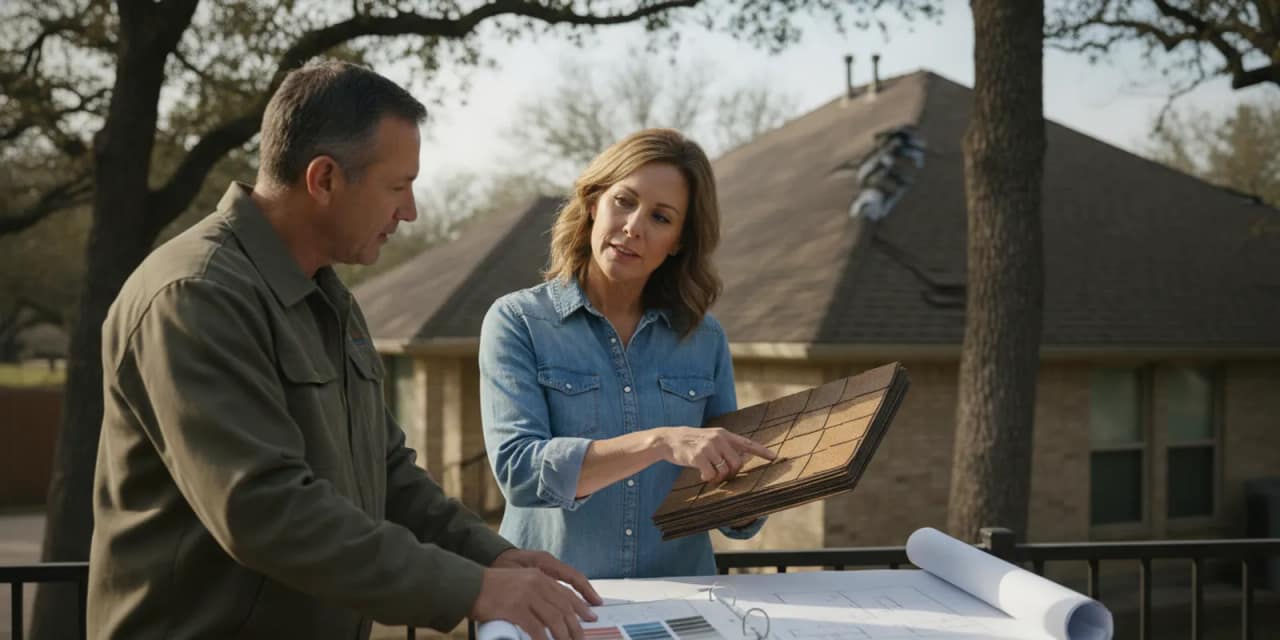
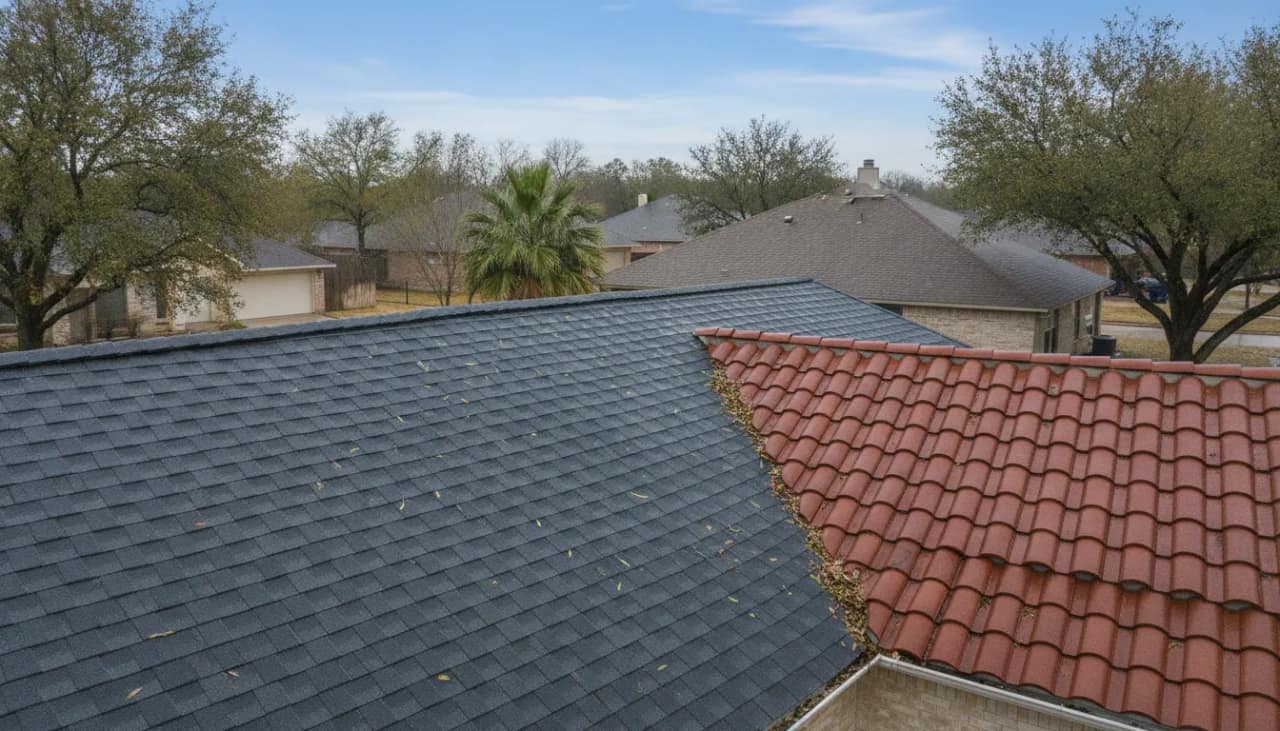
Material matching should be part of that conversation. A repair may be less practical when the existing material is difficult to match, discontinued, or weathered enough that a patch would leave an inconsistent result. The recommendation should account for the existing roof type and condition, not just the number of visibly damaged areas. Read more about how Texas property owners can repair or replace your roof before making a decision.
Confirm structural and loading questions before reroofing
Replacement is also a system-level project, so the supporting structure deserves attention. Cornell's roofing guidance says structural and loading capacities should be verified before reroofing is applied: Cornell roofing guidance. That review is especially important when considering new materials, additional roof layers, or a change in the roofing assembly. A qualified roofer can identify questions that require further evaluation rather than assuming the visible covering tells the whole story.
When the inspection supports replacement, Elevation's roof replacement team can explain the recommended scope and material options. If the damage is localized and the remaining system is sound, a targeted repair may be the better choice. Either way, base the decision on documented findings, roof-system condition, and material compatibility rather than hail alone.
How Do Residential and Commercial Hail Repairs Differ?
The roof damage may look similar, but the repair decision depends heavily on how the property is used. A homeowner is usually focused on protecting the interior, family, and personal belongings. A commercial owner or facility manager must also consider tenants, employees, customers, inventory, equipment, and the practical work of keeping a business accessible.
For a residence, the first priorities are safety and water control. Do not climb onto a wet or visibly damaged roof to inspect it yourself. From the ground, note damaged shingles, gutters, vents, siding, windows, or exterior fixtures. Inside, check ceilings, attic areas, and upper walls for signs of moisture. A professional inspection can examine the covering, flashing, fascia, soffits, drains, gutters, vents, and other components that are difficult to evaluate safely from the ground.
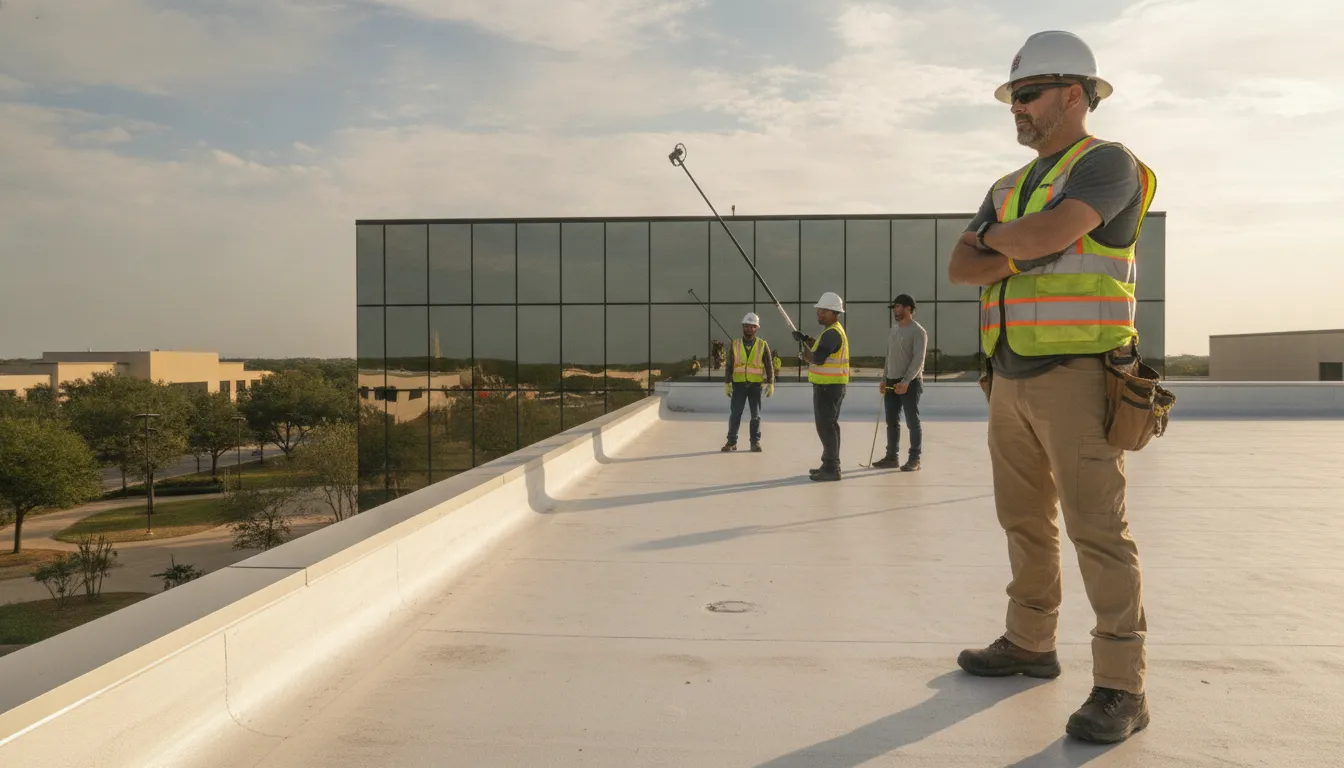
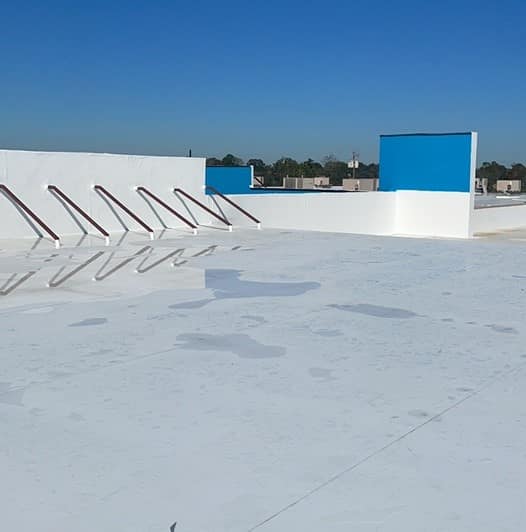
Commercial hail damage assessments often require more coordination. A larger roof area can contain several drainage paths, roof sections, penetrations, and access points. The inspection plan may need to account for operating hours, tenant communication, delivery routes, customer access, and areas where equipment or stored materials are present. That coordination does not change the need for a careful roof evaluation. It helps the property team gather the right people and information before work begins.
What should each property owner document?
- Residential: Photograph exterior elevations, interior moisture, damaged belongings, and any temporary measures taken to limit water entry.
- Commercial: Record affected roof sections, drainage concerns, access conditions, operational impacts, tenant reports, and areas requiring coordination.
- Both: Keep inspection findings, maintenance records, repair receipts, and a clear inventory of observed damage.
The roof system itself also matters. Hail can create dents, cracks, and granule loss that are not immediately obvious. Metal roofing, including standing-seam systems, requires an appropriate hail assessment rather than a quick visual conclusion. The resulting recommendation may involve a localized repair, broader restoration, or replacement review, depending on the material, condition, extent of damage, and overall repair practicality.
Elevation Roofing provides residential and commercial roofing services for property owners who need an inspection-led plan. Its Texas service areas include Houston, Austin, and surrounding Central Texas communities. Whether the property is a home or a business, good hail damage roof repair starts with safe documentation, coordinated access, and a clear understanding of what the inspection found.
How Does Insurance Affect Hail Damage Roof Repair?
A clear record helps you explain what happened and gives your insurer, adjuster, and roofing professional the same starting point. Begin with photos and video taken from safe locations. Capture wide views of each affected side of the property, then closer images of dents, cracks, granule loss, damaged flashing, vents, gutters, fascia, soffits, or interior staining. Include the date of the storm and the areas where you noticed changes. Texas Department of Insurance guidance also recommends making an inventory of damage inside and outside the property. Review the agency's hail and windstorm guidance for additional documentation advice.
Gather the records that show condition and mitigation
Collect your latest roof inspection report, maintenance history, invoices, warranties, and records of earlier repairs or replacements. These documents can help distinguish recent storm effects from older wear, although the insurer and its claim reviewers determine how the evidence applies to your policy. If you paid for temporary mitigation, keep itemized receipts and photographs of the work. Tarping, temporary leak repairs, debris removal, and safety-hazard mitigation may help limit additional water intrusion. But do not take unsafe actions or climb onto a wet or damaged roof.
Ask the roofing professional to document the inspection in writing. An evaluation may cover the roof covering, flashing, vents, fascia, soffits, drains, gutters, moisture, and signs of water entry. Less obvious damage can matter when planning repairs and assembling insurance records. For a broader evaluation, you can schedule a professional roof inspection.
Prepare policy-specific questions
Have your policy and claim contact information available, then ask questions that can be answered from your specific coverage: Is hail included? What deductible applies? What documentation does the insurer require? Which temporary repairs should be authorized or retained for review? When will the adjuster visit, and how should additional damage be reported? Coverage, claim handling, and any payment depend on the policy terms and the insurer's review. An inspection or submitted claim is not a promise of approval, payment, or a particular outcome. Avoid relying on a general deadline; ask your insurer about the requirements that apply to your policy.
Elevation Roofing can help organize damage documentation and coordinate with an adjuster, while you remain responsible for communicating with your insurer and understanding your policy. If you need professional storm roof repairs, a documented inspection can help clarify the next practical step.
Schedule a free roof inspection by calling (832) 271-1726.
Frequently Asked Questions
Can hail damage on a roof be repaired?
Often, yes. Localized damage such as affected shingles, flashing, vents, or gutters may be repairable when the rest of the roof system remains sound. A professional inspection should determine the material, extent, and location of the damage before anyone recommends repair or replacement. Hail damage can include dents, cracks, and granule loss that are not immediately visible from the ground.
Is it worth getting hail damage repair?
It can be, especially when an inspection identifies limited damage that has not compromised the broader roof system. Addressing documented damage can help reduce the risk of water intrusion and clarify whether a larger project is necessary. The right scope depends on the roof's condition, material, age, and the findings from a professional assessment, rather than on exterior appearance alone.
Does homeowners insurance cover roof damage from hail?
Coverage depends on the specific policy and whether it includes wind and hail coverage. The Texas Department of Insurance advises property owners to photograph and record damage, document both interior and exterior areas, and contact their insurer promptly. See the Texas Department of Insurance storm guidance for general information. An inspection or claim does not guarantee coverage or payment.
How much does it cost to fix hail damage on a roof?
There is no reliable single price because the scope can range from a small component repair to a major roof overhaul. Cost depends on the roofing material, affected areas, accessibility, underlying moisture or damage, and whether repair remains practical compared with replacement. Request a written inspection and itemized estimate so you can understand the recommended work before approving it.
Get a Professional Hail Damage Assessment
A professional inspection can help separate visible hail marks from less obvious damage and give you a clearer basis for choosing repair or replacement. Schedule a professional hail-damage inspection with Elevation Roofing & Restoration for your home or commercial property. Call (832) 271-1726 to schedule your free roof inspection.