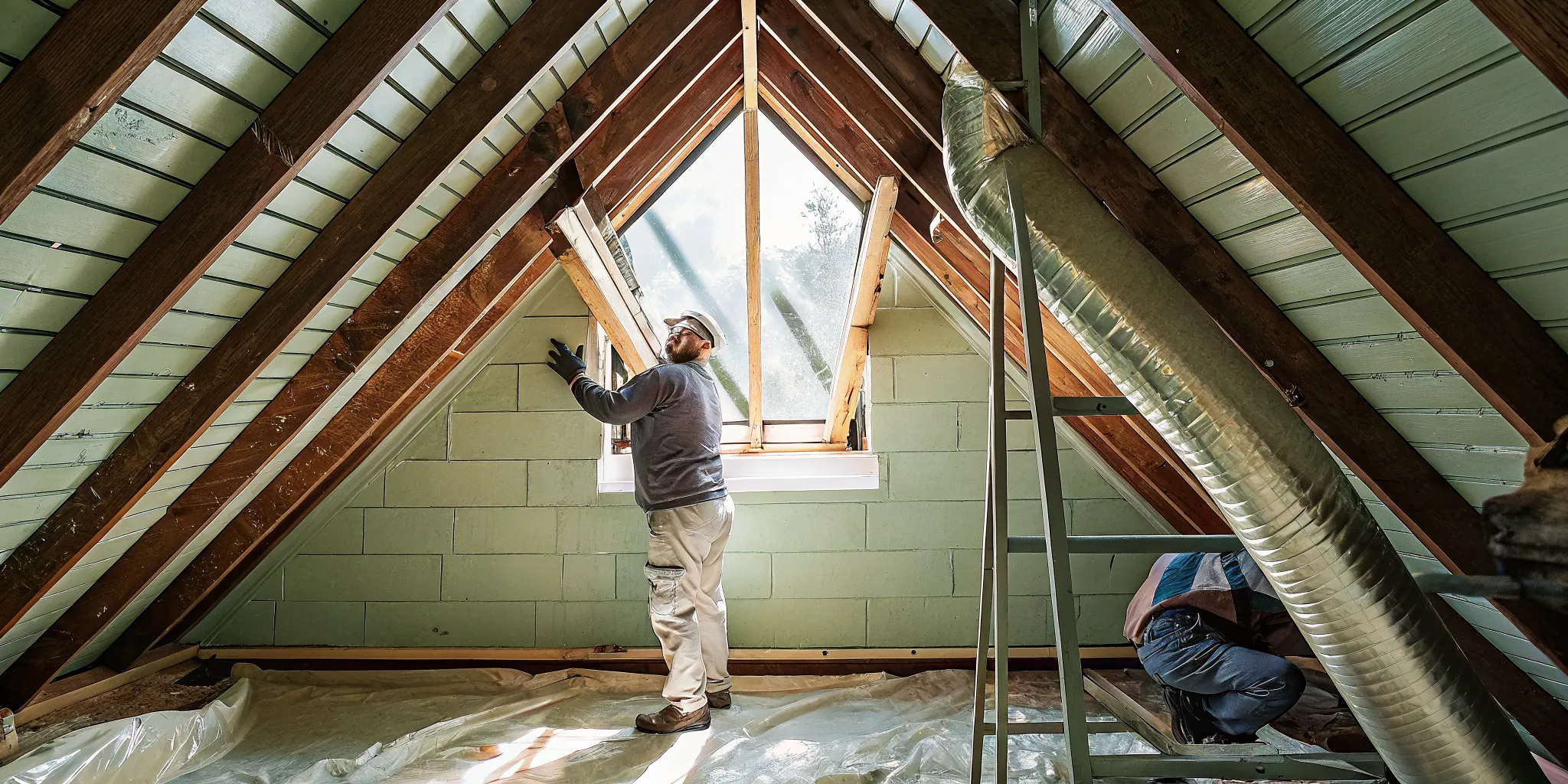
Texas heat puts constant pressure on a home's roof and attic. When insulation is thin, uneven, or poorly installed, outdoor heat can move indoors more easily, leaving your air conditioner to work harder through long Houston and Austin summers. The right approach depends on the roof assembly, attic layout, ventilation, moisture conditions, and whether you are building new or upgrading an existing home.
Call Elevation Roofing & Restoration at (832) 271-1726 for a free roof inspection and estimate.
Roof insulation helps slow heat transfer between your home and the outdoors, which can improve comfort and reduce heating and cooling demand. Choosing the best material and R-value requires evaluating the entire roof system, not insulation alone.
The sections ahead explain how insulation affects Texas homes, how to compare common options, and why ventilation and moisture control belong in the same conversation.
Why Roof Insulation Matters for Texas Homes
Texas roofs absorb intense solar heat for long stretches of the year. That heat does not stay outside. During the cooling season, heat moves from the outdoors toward the cooler interior of a home, increasing the workload on the air conditioner. Insulation slows that transfer through the roof assembly and attic, helping the home stay more comfortable between cooling cycles.
The U.S. Department of Energy explains that insulation provides resistance to heat flow and can lower heating and cooling costs. In practical terms, effective insulation helps reduce the amount of heat your HVAC system must remove from living spaces. The result can be steadier indoor temperatures, less strain on equipment, and more predictable summer energy use. The same principle applies in winter, when heat can move from conditioned rooms into an unheated attic and then outdoors.
- Reduce heat entering rooms below a hot attic.
- Support more consistent indoor temperatures across the home.
- Help limit unnecessary cooling demand during Houston and Austin summers.
- Protect the overall roof system when insulation, ventilation, and moisture control are properly coordinated.
Energy modeling also shows why the building envelope deserves attention during a retrofit. One residential study reported a 62% reduction in annual energy consumption in an optimized envelope scenario. That result is a modeled outcome, not a promise for every Texas property. But it demonstrates how insulation and related envelope improvements can materially affect energy performance when they are planned as a complete system.
Insulation can also contribute to roof longevity. Elevation Roofing & Restoration notes that roofs average about 20 years with regular maintenance, and that insulation and energy efficiency are important parts of extending that service life. Moisture, compressed material, air leaks, and poor installation can undermine those benefits, so the existing roof condition should be evaluated before adding insulation.
A free roof inspection can help identify ventilation concerns, moisture intrusion, damaged decking, or other issues that should be addressed first. If you are comparing properties or planning improvements in the region, Elevation Roofing & Restoration serves homeowners across Houston and Austin and can help determine whether insulation is appropriate for your roof assembly.
What R-Value Does Roof Insulation Need in Texas?
R-value describes an insulation material's resistance to conductive heat flow. The higher the R-value, the more effectively the material slows heat moving through the roof assembly. For Texas homes, a common planning range is R-30 to R-60 when the roof or attic area is uninsulated. If roughly 3 to 4 inches of insulation are already present. R-25 to R-40 may be an appropriate range for the added insulation, depending on the existing material and the condition of the assembly.
How Is R-Value Measured?
R-value is not simply a measure of how thick a product looks. It depends on the insulation type, thickness, and density. A material rated R-30 provides resistance to heat flow comparable to 30 inches of still air. Which helps explain why a higher rating can make a meaningful difference beneath a hot Texas roof. The U.S. Department of Energy explains that adding insulation generally increases both R-value and resistance to heat flow.
Several layers can contribute to the same total. To estimate the R-value of a multilayered installation, add the ratings of the individual layers. For example, an existing layer rated R-19 combined with a new R-19 layer would provide a nominal total of R-38. Before accounting for gaps, compression, settling, or other installation conditions. Loose-fill insulation may not increase in a perfectly linear way as it becomes thicker because its settled density can change.
Why Do Texas Homes Need Higher R-Values?
Texas roofs face long periods of intense solar heat, especially in Houston and Austin. During the cooling season, heat naturally moves from the hotter outdoors toward the cooler interior. Insulation slows that transfer before it reaches the ceiling and living spaces, helping the air conditioner maintain a comfortable temperature. The right target depends on the home's construction, the available depth, and whether insulation belongs at the attic floor or directly beneath the roof deck.
- Uninsulated area: R-30 to R-60 is often used as a practical planning range.
- Existing 3 to 4 inches: R-25 to R-40 may be suitable for bringing the assembly closer to its target.
- Multiple layers: Add the individual R-values, then check for gaps, moisture, compression, and settled material.
A high rating cannot correct a wet, compressed, or poorly installed system. Before choosing a product, have the roof assembly evaluated for available space, air leakage, moisture, and ventilation. That assessment helps determine whether insulation should be added, replaced, or paired with other roofing work.
What Are the Best Roof Insulation Types for Texas Homes?
Texas roofs face intense summer heat, so the right insulation depends on the roof design. Available space, moisture conditions, and whether the project is new construction or a retrofit. No single product is best for every home. A roofing professional should evaluate the roof deck, attic, ventilation, and existing insulation before recommending a system.
Spray Foam
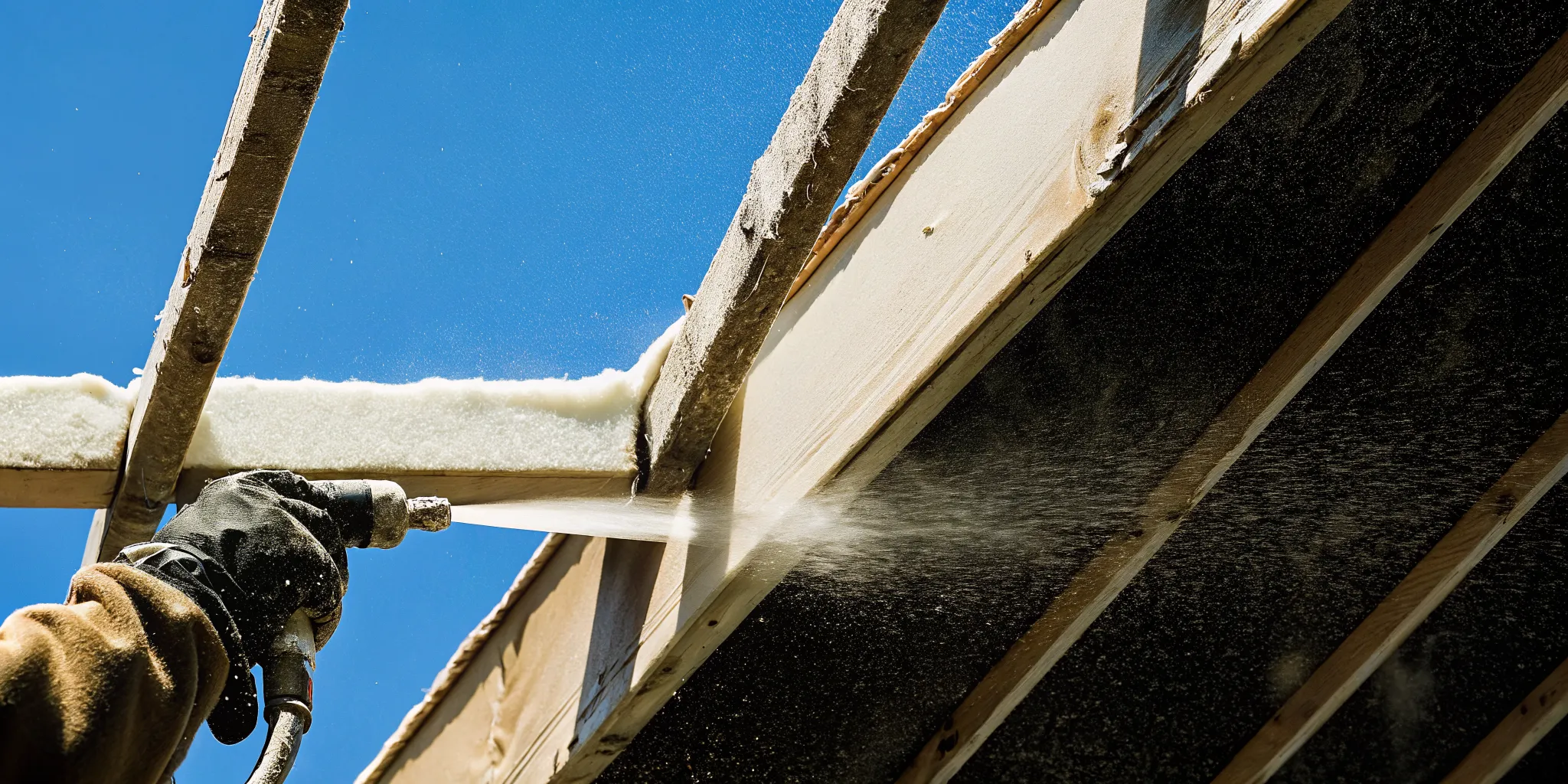
Spray foam can create an airtight, seamless barrier that limits air leakage while providing a high R-value. That makes it useful when irregular spaces, penetrations, or complicated roof framing make it difficult to achieve consistent coverage with rigid pieces or batts. It may be installed beneath the roof deck as part of a conditioned-attic approach, but the assembly still needs careful attention to ventilation, moisture, and manufacturer requirements.
Spray foam is not automatically the right answer for every roof. The installer must confirm that the substrate is dry and sound, apply the product at the specified thickness, and coordinate the work with the roof assembly. A qualified crew can also identify whether existing leaks or trapped moisture need to be addressed before insulation is added.
Rigid Board and Fiberglass Batts
Rigid boards such as polyiso and XPS are durable options for roof decks and other areas where a continuous layer is practical. They can help reduce thermal bridging when installed with properly sealed joints, although the final design must account for fasteners, seams, drainage, and the required weatherproofing layers.
Fiberglass batts remain a lightweight, popular choice for many roofing applications. They can be cost-effective where framing cavities are accessible and consistently sized. However, gaps, compression, and poor fitting reduce performance. The material should be installed evenly around obstructions rather than pushed into place or left short of the cavity edges.
- Rigid board: useful for durable roof-deck insulation and continuous coverage.
- Fiberglass batts: lightweight and practical for accessible, regularly spaced cavities.
- Radiant barriers: helpful for reducing radiant heat gain only when the reflective surface has the required air space.
Radiant barriers are different from bulk insulation. According to the U.S. Department of Energy, the reflective surface must face an air space to work effectively. Installing a barrier directly against another material without that space can defeat its intended purpose.
Research on residential retrofit strategies supports treating insulation as part of the larger building envelope, not as an isolated product choice. This peer-reviewed retrofit research examines how envelope improvements contribute to energy performance. Elevation Roofing & Restoration can coordinate the insulation assessment with your roof installation plan, and the crew installs insulation correctly so manufacturer warranties stay valid.
How Does Attic Ventilation Work With Roof Insulation?
Ventilation and insulation solve different problems, but they must work together. Ventilation moves hot air and moisture out of the attic through a balanced intake and exhaust system. Insulation slows heat flow through the roof assembly or attic boundary. In a Texas home, that partnership matters because intense summer heat can build above the living space, while trapped moisture can affect insulation, decking, and roofing materials.
Roof insulation is installed directly beneath the roof structure, while attic insulation generally focuses on the attic floor or roof deck. That distinction affects how the attic is managed. A contractor should confirm whether the goal is to keep the attic outside the conditioned envelope or to bring the roof assembly into that envelope before recommending an insulation approach.
Why ventilation matters in a Texas attic
Air movement helps release accumulated heat and moisture instead of allowing damp air to remain trapped around the roof structure. Ventilation is not a substitute for insulation, and adding more insulation does not automatically correct blocked intake vents, poor exhaust paths, or an active leak. The system needs clear airflow and a roof assembly that is dry before new materials are installed.
For a broader explanation of the relationship between airflow and thermal resistance, review the ventilation guidance in our energy-saving guide. Commercial property owners can also review the importance of commercial roof insulation when evaluating larger roof systems.
What an inspection should check
Elevation Roofing inspects roof ventilation alongside shingles, flashing, and drains. A practical evaluation should also look for moisture and signs of water ingress before insulation work begins. Those checks help distinguish a ventilation issue from a roof leak, condensation problem, or damaged insulation. If the source of moisture is not addressed, covering it can make the underlying damage harder to find.
- Vent openings, airflow paths, and signs of blockage.
- Moisture, staining, damp insulation, and possible water entry.
- Roof decking, flashing, shingles, and drainage conditions.
- Whether the proposed insulation location matches the attic design.
Research on roof renovation research also supports evaluating insulation as part of the larger roof and energy system, rather than treating it as an isolated material choice.
Why installation quality protects the system
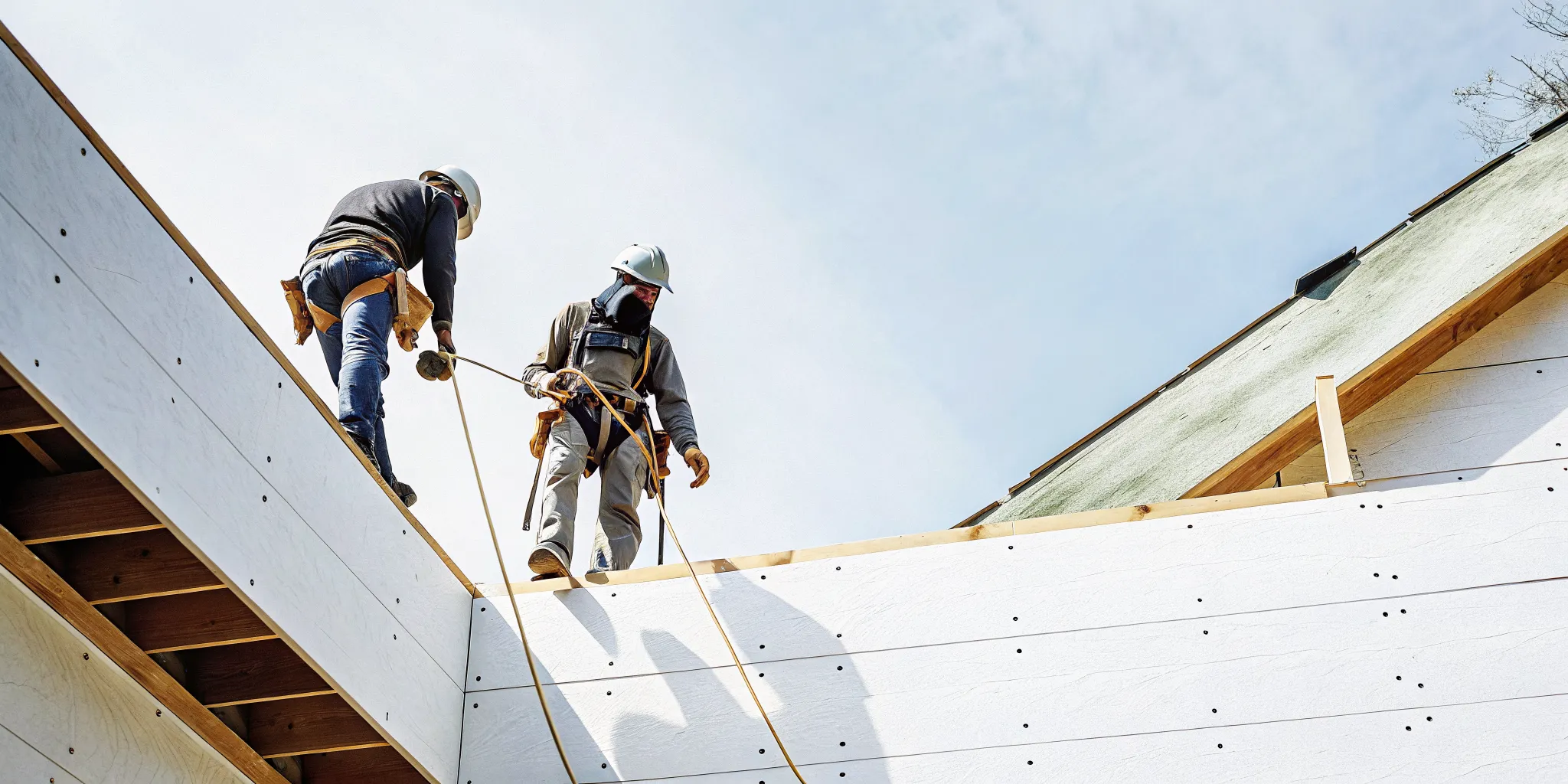
Insulation, ventilation, and moisture management have to be installed according to the roof design and applicable manufacturer requirements. Proper installation is critical for manufacturer warranty validity. Before approving a project, schedule a roof inspection so the condition of the roof and attic can be evaluated together. That approach helps ensure the selected roof insulation improves comfort and efficiency without concealing a problem that still needs repair.
How Much Does Roof Insulation Cost, and What's the Payback?
The cost of an insulation project depends on the existing attic assembly, the material selected, the amount of coverage, and whether the roof needs related work first. A useful starting range for insulation materials is $0.20 to $7.00 per square foot, with installation commonly adding $1.50 to $3.50 per square foot. Your final estimate should account for access, removal of damaged insulation, air sealing, ventilation, and moisture concerns rather than treating insulation as an isolated layer.
| Project type. | Material cost. | Installation cost per square foot. | Typical energy benefit. |
|---|---|---|---|
| Uninsulated attic. | $0.20-$7.00 per square foot. | $1.50-$3.50 per square foot. | Usually the largest opportunity to reduce heat flow because the project adds substantial resistance where little or no insulation exists. |
| Adding R30-R60 as a retrofit. | $0.20-$7.00 per square foot. | $1.50-$3.50 per square foot. | Can improve resistance to heat flow and cooling performance, depending on existing insulation, installation quality, moisture, and ventilation. |
| New construction with high-R insulation. | $0.20-$7.00 per square foot. | $1.50-$3.50 per square foot. | Allows insulation, air sealing, and roof design to be coordinated from the start, supporting more consistent envelope performance. |
These ranges are planning figures, not a guaranteed quote. The Department of Energy explains that a higher R-value provides greater resistance to conductive heat flow, and adding insulation increases the assembly's R-value. Peer-reviewed building research documented large energy reductions from envelope improvements, which supports treating insulation as part of the whole roof system.
- Schedule a roof inspection to confirm the attic condition, existing insulation depth, ventilation, and any moisture concerns.
- Identify a target R-value for your assembly and choose a material that fits the space and roof design.
- Compare installation scopes, not just prices, and confirm the crew addresses air sealing, ventilation, and proper coverage.
Payback is therefore project-specific. A poorly insulated, heavily air-leaking attic may deliver more noticeable savings than a home that already has adequate coverage. In Texas, the value may also show up as improved summer comfort and less strain on the cooling system, not only as a lower utility bill. If moisture, leaks, or roof damage are present, address those conditions before covering them with new insulation. Elevation Roofing can evaluate whether roof repair should come first.
Proper installation matters beyond energy performance. It is also important for manufacturer warranty validity, so compare estimates by scope and installation method, not price alone. Ask whether the proposal includes an inspection of the roof assembly, ventilation, moisture, and existing insulation before deciding which upgrade offers the strongest return.
Frequently Asked Questions
What is the best type of roof insulation for a Texas home?
There is no single best option for every home. Fiberglass is lightweight and widely used, rigid board can add continuous thermal resistance, and spray foam creates an airtight barrier with a high R-value. The right choice depends on your roof design, existing insulation, ventilation, moisture conditions, and whether you are insulating the attic floor or roof deck.
How much does roof insulation cost per square foot?
Reported material and installation costs can range from about $0.20 to $7.00 per square foot, depending on the insulation type, project size, access, and preparation required. A roof inspection can identify damaged or wet areas that should be addressed before insulation is installed, helping produce a more accurate estimate.
What R-value is needed for roof insulation in Texas?
The appropriate R-value depends on the existing insulation and the part of the assembly being upgraded. A commonly cited range is R-30 to R-60 for previously uninsulated areas, while areas that already have several inches may need a different target. An installer should assess the current depth, material, density, and local conditions before recommending an upgrade.
Does roof insulation improve energy efficiency?
Yes. Insulation slows heat transfer, which can reduce the amount of work your cooling system does during hot Texas summers. The result depends on installation quality, air sealing, ventilation, windows, ductwork, and equipment efficiency. Insulation works best as part of a complete building-envelope strategy rather than as an isolated upgrade.
What is the difference between attic and roof insulation?
Attic insulation is commonly installed across the attic floor, separating the living space from the attic. Roof insulation is installed closer to or directly beneath the roof deck, enclosing the attic within the conditioned boundary. The better approach depends on how the attic is used, the ventilation design, moisture control, and whether ducts or equipment are located in the attic.
Ready to Plan a More Efficient Roof?
A roof inspection can help identify insulation, ventilation, or moisture concerns before you choose a solution for your Texas home. Elevation Roofing & Restoration can review your roof system and discuss practical next steps based on its condition. Schedule your free roof inspection and estimate, or call (832) 271-1726 to talk with our team.