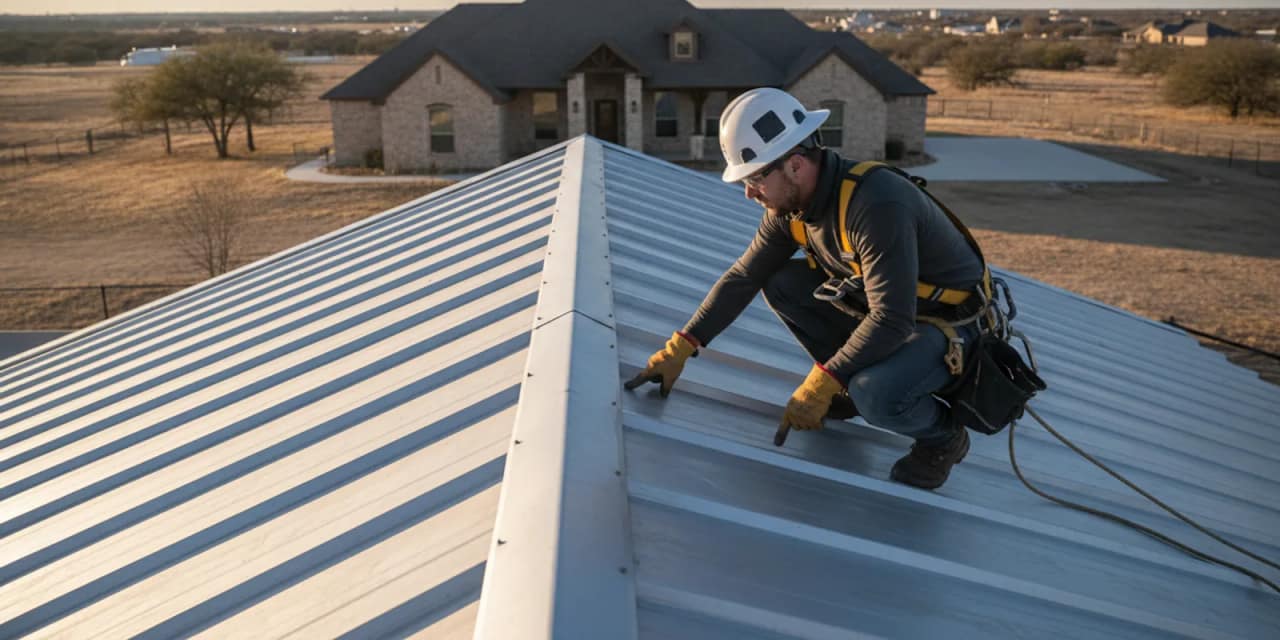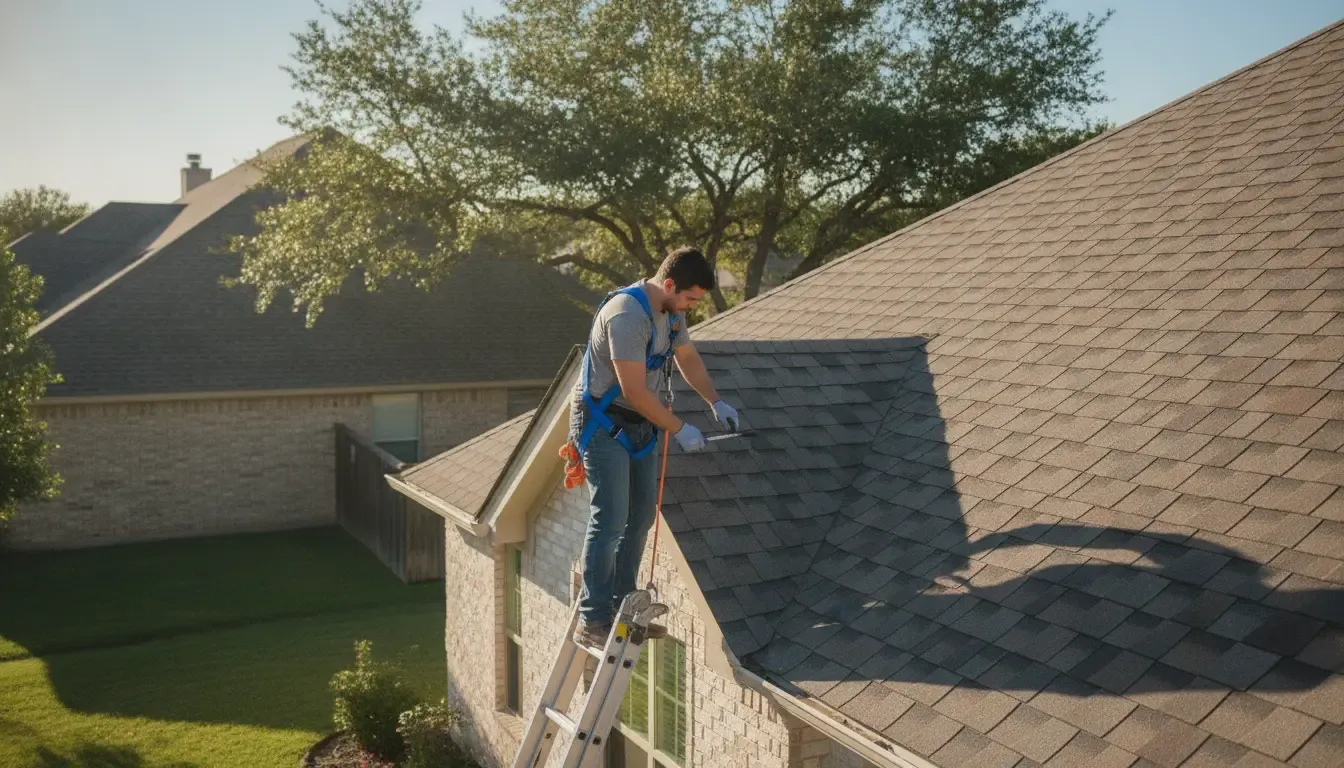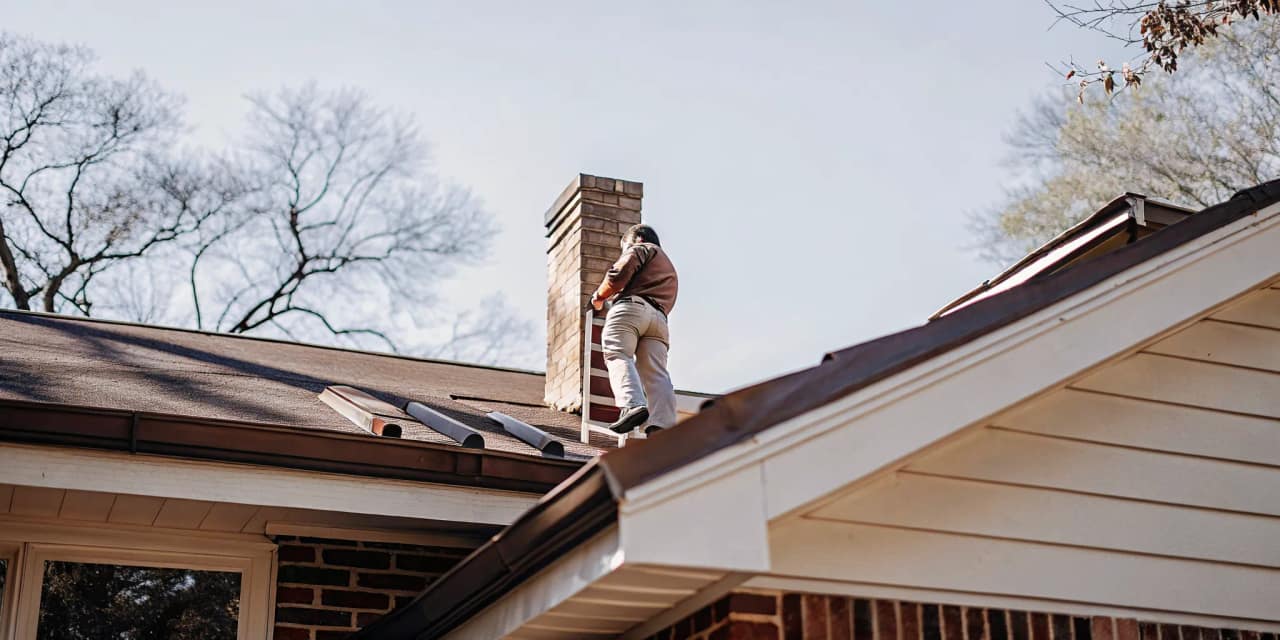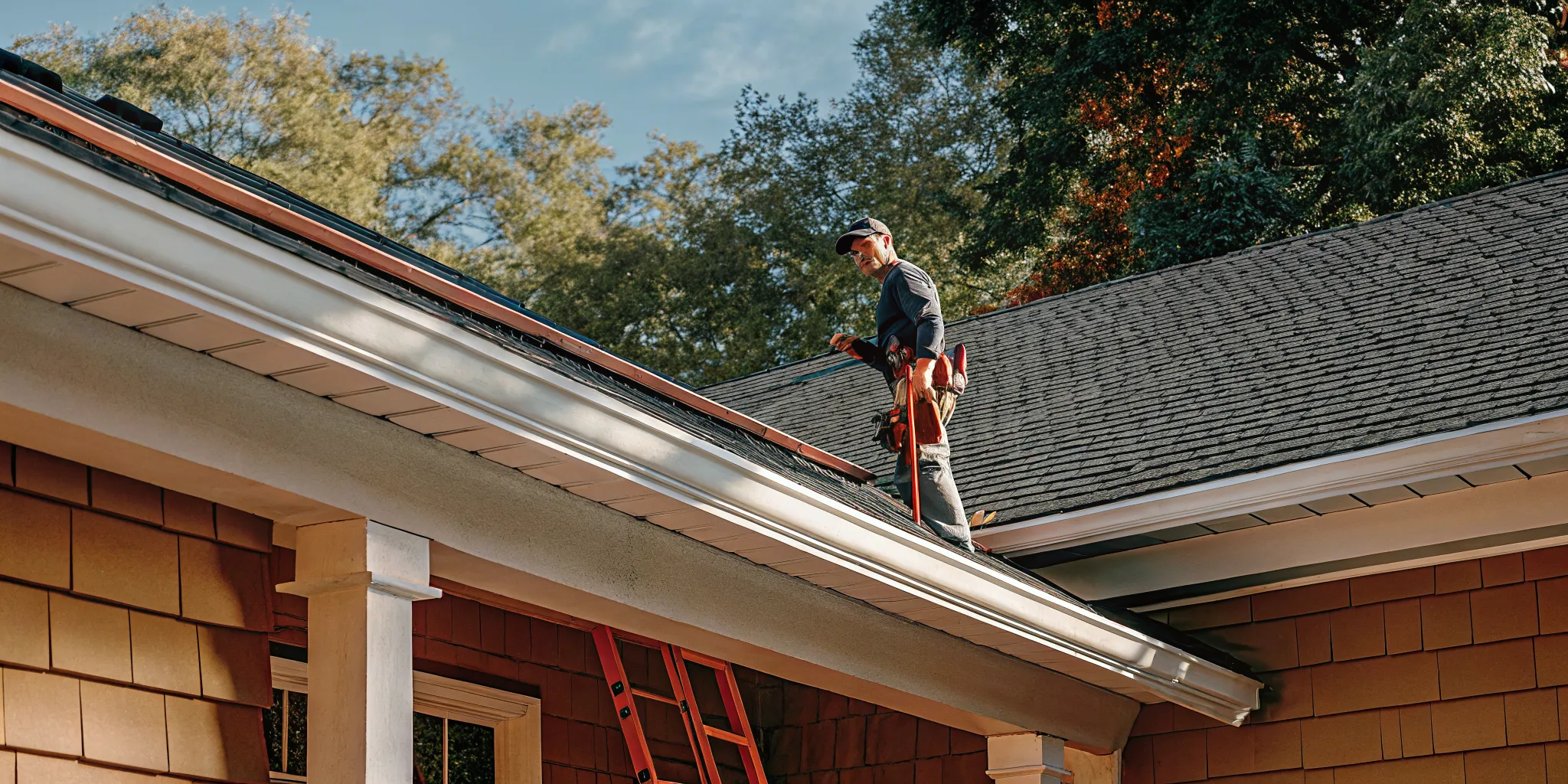
Heavy hail and severe spring storms batter Texas roofs between March and June. Regular maintenance helps find small issues before they become major leaks. This simple step also prepares your home to withstand the baking summer heat.
Call Elevation Roofing & Restoration at (832) 271-1726 for a free roof inspection and estimate.
Proactive spring roof maintenance Texas homeowners schedule each year is the best way to protect their homes from severe storm damage, wood rot, and costly water leaks. Since our peak hail season runs from March through June, getting a professional roof inspection now is vital to find minor issues before the hot summer weather arrives. Clearing your clogged gutters, checking the metal flashing, and replacing any damaged shingles will easily extend your roof's lifespan. It also protects your home from sudden, expensive water leaks. This complete spring checklist keeps your family safe during heavy Texas rainstorms and prepares your entire roofing system to easily withstand the upcoming months of extreme summer heat.
To keep your home safe and dry throughout the year, you need to understand the unique risks our local seasonal weather brings. Exploring Why Texas Homes Need Spring Roof Maintenance is the best place to begin protecting your investment, so let's examine why:
Spring Roof Maintenance Texas: Why Texas Homes Need Spring Roof Maintenance
When planning spring roof maintenance Texas families must prepare for sudden, harsh weather shifts. Your roof serves as your first line of defense. But local spring weather is often severe and can damage shingles in a few hours. That is why timely spring roof maintenance Texas families invest in is so vital.
Spring storm threats and peak hail season
Spring storms can strike with a force that puts your roof at risk. The peak hail season in Texas starts in March and runs through June. In some north parts of the state, these hard ice storms can hit even earlier in the year. Severe storm systems can crack tiles, tear shingles, and cause leaks. High winds can pull off older shingles and leave your roof deck bare. Heavy rains will then soak these open areas and cause structural rot. Spotting these issues before the storms start is key to keeping your home dry. Checking for these harms early prevents water from seeping into your attic.
Preventing costly interior water damage
A quick two-hundred-dollar flashing repair in the spring can save you a lot of cash. In fact, it can prevent over a thousand dollars of home damage by the end of summer. Flashing is the metal trim around vents, chimneys, and roof joints. When flashing rusts or pulls loose, water flows straight into your home. A skilled roofer can seal these spots in less than an hour. Leaving small wear spots allows rain to leak into your walls. Fixing small leaks now is the best way to protect your money.
Storms can leave hidden interior damage that is hard to find on your own. You should check for water stains and wet insulation after any major storm. These signs of interior damage are part of a home scan, according to Oklahoma State University research. When attic insulation gets wet, it must be replaced. Taking care of these hidden issues early saves you from mold and weak ceilings.
Preparing for intense summer heat
Spring upkeep also prepares your home for the extreme heat of the Texas summer. Extreme heat can bake dry, storm-damaged shingles and make them fail much faster. Fixing roof issues in the spring shields your home before the hot season hits. Our team offers a full range of roofing services to get your home ready. We serve home owners across our Houston and Austin service areas. Reach out to our local pros today to schedule a spring check.
Your Texas Spring Roof Maintenance Checklist
Taking care of your home means planning for bad weather. When you perform spring roof maintenance Texas storms will not catch you by surprise. A quick review of your roof now can keep your family safe and dry all year long.
In Texas, we get heavy rain and strong wind in the spring months. These storms can test even the strongest roofs. By doing a quick check of your roof now, you can find small problems before they turn into major water leaks. It is the best way to get ready for the storm season.
The Value of Routine Care
Routine work like cleaning gutters and checking flashing can extend the life of a home roof. Flashing is the metal trim around vents and walls. If flashing is loose, water will seep into your attic. Clogged gutters also cause water to back up and damage your wood structure.
This moisture can lead to wood rot or mold. You can find more tips on home care in our year-round roof maintenance guide. Taking small steps now helps you avoid big bills later. It keeps your home strong for many years.
Essential Steps for Homeowners
Checking your own roof is a great way to catch storm damage early before it spreads. Here are five steps you can take to check your roof this spring:
- Look for shingle damage: Walk around your yard to spot missing shingles, loose nails, or leaks. High winds can lift shingle edges and let rain get underneath.
- Clean out the gutters: Clear out leaves and dirt to keep water flowing. Clogged areas stop water and cause backups that rot your trim wood.
- Check your attic: Go inside with a flashlight during the day. Look for water stains on the wood or damp insulation.
- Inspect your ceilings: Walk through your rooms to search for sagging plaster or pooled water. These are clear signs of a leak that needs quick care.
- Check the wood frame: Look inside your attic to see if the roof truss system has any cracked parts. A broken truss can make your roof weak.
These simple checks help you find problems early. According to storm prep tips from Oklahoma State University, early checks keep your home safe. This care prevents water leaks and wood damage before they spread.
If you find a wet spot, you should act fast to stop mold. Mold can start to grow in a short time if wood stays wet for more than a day.
Why You Need an Expert Check
Some roof damage is hard to see from the ground. Climbing on a high ladder can also be unsafe for homeowners. You may miss small cracks or dented vents that a pro would spot right away. To keep your family safe, you should get a professional roof review.
Elevation Roofing offers a free roof inspection worth $399. Our trained team will check your shingles, wood frame, and flashing to find hidden leaks. We will give you a full report on your roof. This helps you plan for repairs before the summer heat hits.
How Do You Prepare a Texas Roof for Hail Season?
Getting your home ready for severe storms is a key step to avoid costly leaks. Early spring roof maintenance Texas homeowners do now can protect their houses from large hailstones. Getting ready early ensures your roof is strong before the stormy season begins.
Signs of hail damage on Texas roofs
A roof's age and state can change its risk of hail damage. Insurance adjusters always look at this age when they check your home. Older roofs often take more damage from storms than newer roofs.
A hail hit on an asphalt shingle often looks like a dark bruise. This bruise shows a spot where granules fell off, which shows the raw asphalt below. According to a University of Missouri Extension report, fresh hail damage on asphalt shingles often has a shiny look. This shiny look occurs because the exposed asphalt has not yet weathered to a dull color.
Adjusters also check other parts of your roof for storm impact. They use the number of dents in metal roof vents as a good sign of hail size and amount. Many deep dents on your metal vents suggest your home took a heavy hit.
DIY and professional roof checks
Homeowners can check some areas from the ground, but a professional inspection is much safer and more thorough. A simple table can help you see the value of a professional roof check before the hail season starts.
| Criteria | DIY Hail Inspection | Professional Hail Inspection |
|---|---|---|
| Granule loss detection | Hard to see from the ground | Full search of the roof surface |
| Vent dent assessment | May miss small dents | Exact count of all vent dents |
| Insurance documentation | Simple photos with no formal notes | Detailed reports with photo proof |
| Hidden damage | Often missed by homeowners | Finds deep leaks and weak spots |
| Claim support | No help during adjuster visit | Roofer walks with the adjuster |
Using a professional team gives you better protection before storms start. If your roof needs help after a severe storm, you can get additional restoration services to fix your home. A professional roofer knows how to spot small weak points. This help keeps your roof strong for years.
How professional roofers help with insurance claims
When you file an insurance claim, a professional roof inspection is key. A skilled roofer can assist you during the whole process. They understand what adjusters look for and can document all forms of damage.
Homeowners get the best results when an experienced roofer walks through the inspection with the insurance adjuster. The roofer can point out each hit and bruise that the adjuster might miss. This professional support ensures your claim gets a fair and accurate review.
Can You Inspect Your Own Roof in Texas?
Checking your roof is a key part of the spring roof maintenance Texas weather makes needed. While you can spot some issues from the ground, walking on your shingles is not safe. For your own safety, you should keep your feet on the ground and let a trained team handle the high work.
Ground-level safety checks
You can do a quick check from your lawn using a pair of binoculars. Look closely for missing shingles, loose nails, or signs of leaks. These simple checks help you spot major issues after a big storm. According to an Oklahoma State University study, finding these issues early protects your home from water damage.
While you are outside, you should also look at where your walls meet the ground. Extreme storms can cause shifting in your home's main frame. Be sure to check the areas where your foundation and structure meet to make sure nothing has moved. Shifting in these spots often points to deeper roof damage.
Subtle attic and roof damage
Some roof issues are not easy to see from your yard. A professional review is often needed to find hidden leaks inside your attic. Experts look at the truss system and ceiling to find subtle issues like pooled water or wet insulation. These hidden leaks can quickly lead to mold if they are left alone.
Our team serves home owners across our Houston and Austin service areas with deep roof checks. We know how to check the tight spaces in your attic without risking a fall. Our experts find the small leaks that ground checks always miss.
The risk of storm chasers
After a major storm, out of state sales crews often knock on doors in Texas towns. Home owners must beware of storm chasers who offer free roof reviews but lack local roots. These crews often use high pressure sales tactics and will not stand by their work. Once they get paid, they leave town and will not help you if your roof leaks again.
Instead of trusting a stranger, you should work with a trusted local team. To get a safe and honest check of your home, you can contact the team at Elevation Roofing and Restoration. Home owners can call our team at (832) 271-1726 to set up a professional roof check today.
What Are Common Signs of Roof Damage After a Spring Storm?
Texas spring storms often bring heavy rain, strong winds, and large hail. Doing spring roof maintenance in Texas helps you find storm issues early. If you do not check your roof, small leaks can turn into big, costly repairs before the hot summer starts.
Visible exterior roof damage
The first place to check for storm damage is the outside of your home. High winds can tear shingles away and leave your roof bare. You should look for missing or damaged shingles and loose nails on the ground or in the yard. These open spots let water seep under the roof deck and cause rot.
Hail is a major threat to Texas roofs, and a hit on a shingle usually looks like a dark bruise where granules are gone. According to the Missouri Extension, new hail hits have a shiny look. This is because the freshly exposed asphalt has not had time to weather. Over time, these bruised spots will leak.
You should also check your metal roof vents and gutters for dents. Hail can leave deep marks on these soft metal parts. According to the Missouri Extension, adjusters use these dents to find the size and amount of hail.
Interior leaks and attic issues
Not all storm damage is easy to see from the ground. Sometimes, you must check the inside of your home to find where water is getting in. Walk through your upper floors and attic space after a heavy storm. Look closely for water stains, wet spots, and damp insulation on your ceilings or walls.
According to Oklahoma State University, wet insulation must be replaced. Wet walls that are sealed inside a home do not dry out on their own. This trapped moisture can quickly lead to mold growth and ruin your indoor air.
A leaking roof can also cause wood rot in your attic. Watch out for sagging ceilings, pooled water, or wet ceiling joists. Getting an expert inspection can help you spot these hidden problems before they spread.
Exterior vs interior visual signs
Keep this simple checklist in mind when you assess your home after a spring storm:
- Outside the home: Look for missing shingles, loose nails, bare wood, and shiny spots or bruises on the shingles.
- Inside the home: Check for water spots on drywall, damp attic insulation, sagging plaster, or pooled water on the floor.
When Is the Best Time to Schedule Professional Roof Maintenance in Texas?
Timing your roof check-up is key to keeping your home safe from severe storms. If you want to plan your spring roof maintenance Texas weather makes early scheduling vital. The best time to book your professional check-up is in late winter or early spring, during February and March.
The March Storm Deadline
Scheduling in February or March gets you ahead of the peak hail season that runs from March through June. In some parts of North Texas, severe hail storms can hit as early as March. Getting your roof checked before these storms arrive helps find existing weak spots. A pre-season check ensures your shingles and seals are ready to withstand impact.
Severe hail can crack shingles or knock off protective granules. When tiny hail hits at high speed, it leaves bruises on the roof structure. These marks are hard to see from the ground.
Waiting until after a major storm means you will face long wait times. Local roofers get busy once the first hail stones fall. Booking early keeps you ahead of the crowd and ensures your home stays dry.
Beating the Summer Heat
Spring care does not just protect against ice and wind. A timely tune-up also prepares your roof to face the extreme heat of the Texas summer. Extreme sun and heat can warp shingles and dry out flashing. Addressing minor issues in the spring prevents major summer leaks and costly water damage inside your walls.
During July and August, attic spaces can get hot. A strong roof lets heat escape and cuts your cooling bills. This proactive step keeps your home comfortable during the hottest months.
You can read our customer reviews to see how our quick spring work helps local families. Our team at Elevation Roofing & Restoration is an Owens Corning and GAF Certified contractor, ensuring you get top-tier skill and care. We offer a full range of roofing services to keep your home dry and safe all year.
Permits and City Rules
If a spring storm does cause damage, you must act fast but stay smart. Before starting any work, you should verify if planned roof repairs need building permits from your city. Local building codes vary, and neglecting this step can delay your repairs. A licensed local professional can help you navigate these rules so your project stays on track.
If you skip the proper permits, your insurance company might refuse to cover the cost of the repairs. Working with an expert ensures that all paperwork is done right from start to finish.
Frequently Asked Questions
Does gutter cleaning prevent roof damage during spring storms?
Yes. Clogged gutters force rainwater to back up and overflow. This pooling water can rot your roof deck, damage your home trim, and lead to leaks. According to Elevation Roofing & Restoration, clearing your gutters and checking your flashing helps protect your roof. These easy steps can extend your roof life. This keeps your home safe and dry during heavy Texas spring storms.
Does wet attic insulation need to be replaced after a roof leak?
Yes. If your roof leaks and attic insulation gets wet, you must replace it. Wet insulation loses its power to block heat, which raises your energy bills. Also, wet walls and insulation sealed inside a building do not dry out well on their own. Studies from Oklahoma State University show that you must change wet insulation to keep your home safe and dry.
How quickly must you dry wet areas after a roof leak to prevent mold?
You should dry any wet areas in your home within 24 to 48 hours of a leak. Doing this quickly is the best way to stop mold from growing. According to the Environmental Protection Agency, controlling moisture is the key to stopping mold. If you wait too long, mold can grow on wood and drywall. This harms your home and your health.
Can delaying a spring roof inspection lead to a denied insurance claim?
Yes. If you wait too long to check for storm damage, your insurance company might deny your claim. Fresh hail damage has a shiny look that fades as it gets older. According to a regional guide, a spring roof check is key because peak Texas hail season runs from March to June. Finding damage early helps you file a successful claim.
Why is a spring roof inspection important before summer heat in Texas?
Texas summer heat is very harsh on your roof. A spring check helps prepare your roof for this extreme heat and stops major damage. It also helps you find minor issues early when they are cheap to fix. According to a regional guide, a small flashing repair in the spring can save you from a thousand dollars in home repairs later.
Ready to Schedule Your Owens Corning and GAF Roof Inspection?
Putting off simple spring roof repairs now can lead to severe water leaks, wood rot, and mold damage when severe Texas storms strike. Booking a professional spring roof checkup today ensures your entire home is fully ready before the intense Texas summer heat sets in. Our Owens Corning and GAF Certified team offers a full range of quality roofing services to protect your home and prepare it for severe weather.
Ready to book? Call (832) 271-1726 to schedule a free professional roof inspection and estimate with our trusted local team today. We are ready to help you protect your home, handle insurance claims, and get your entire property in top shape.