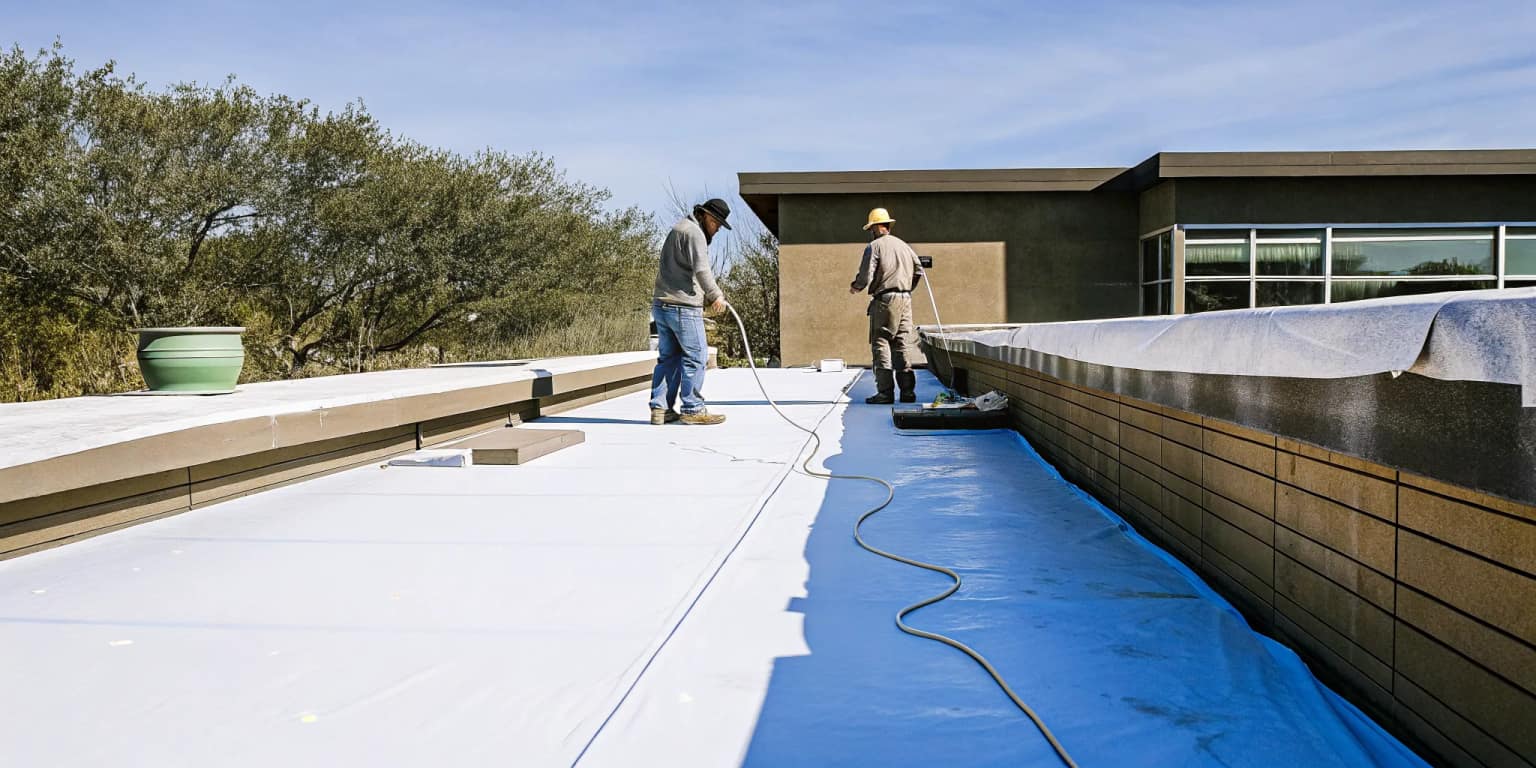
For a Texas commercial building, the roof has to manage intense sun, sudden storms, heat, and daily expansion and contraction without creating avoidable maintenance problems. That makes the membrane choice important for both operating costs and long-term protection.
Call Elevation Roofing & Restoration at (832) 271-1726 for a free commercial roof inspection and estimate.
TPO roofing is a lightweight, single-ply membrane commonly used on flat and low-slope commercial buildings. Its high solar reflectance can help reduce cooling demand, while heat-welded seams and flexible material provide dependable weather protection when the system is properly designed, installed, and maintained. The tradeoffs include installation quality requirements, seam vulnerabilities, and compatibility considerations that deserve a professional evaluation.
Understanding how the membrane is constructed makes those advantages and limitations easier to evaluate. Start with what TPO is, where it fits on a commercial roof, and why it is widely considered for buildings in Houston and Austin.
What Is TPO Roofing?
TPO, short for thermoplastic polyolefin, is a single-ply roofing membrane used primarily on flat and low-slope commercial buildings. It is manufactured in flexible sheets that are installed over the roof assembly, creating a protective layer against sun, rain, wind, and temperature changes. TPO emerged as a commercial roofing option in the early 1990s and has since become a widely used membrane for low-slope roofs.
Because TPO is single-ply, it generally weighs less and can be easier to install than multi-ply built-up or modified bitumen systems. That lighter design can be useful during a roof replacement or retrofit. Especially when a building owner wants to improve weather protection without adding unnecessary weight to the existing structure. The right assembly still depends on the roof deck, insulation, drainage, and manufacturer requirements. Explore commercial TPO roofing systems to see how installation fits into a broader roof plan.
How Is a TPO Membrane Installed?
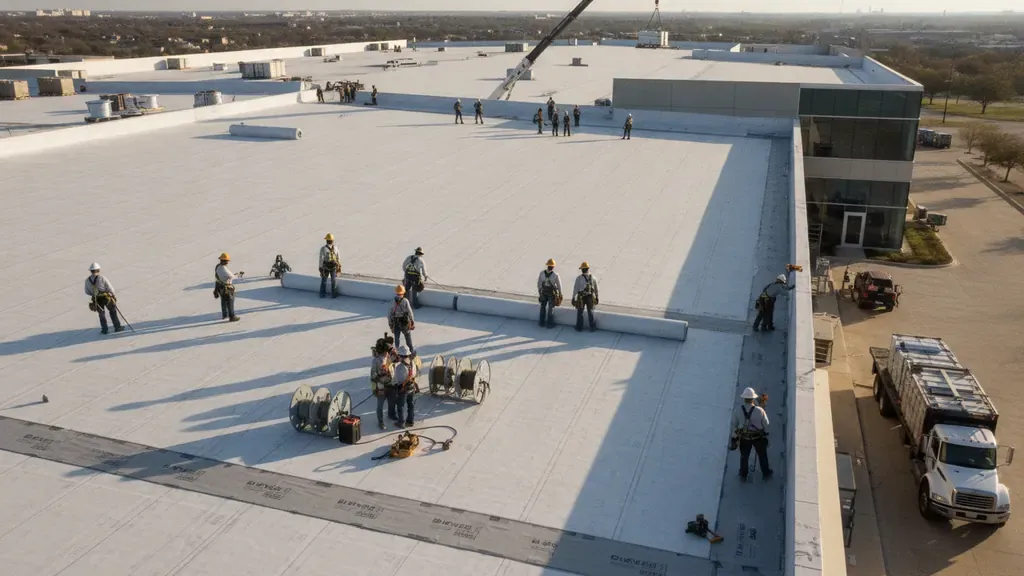
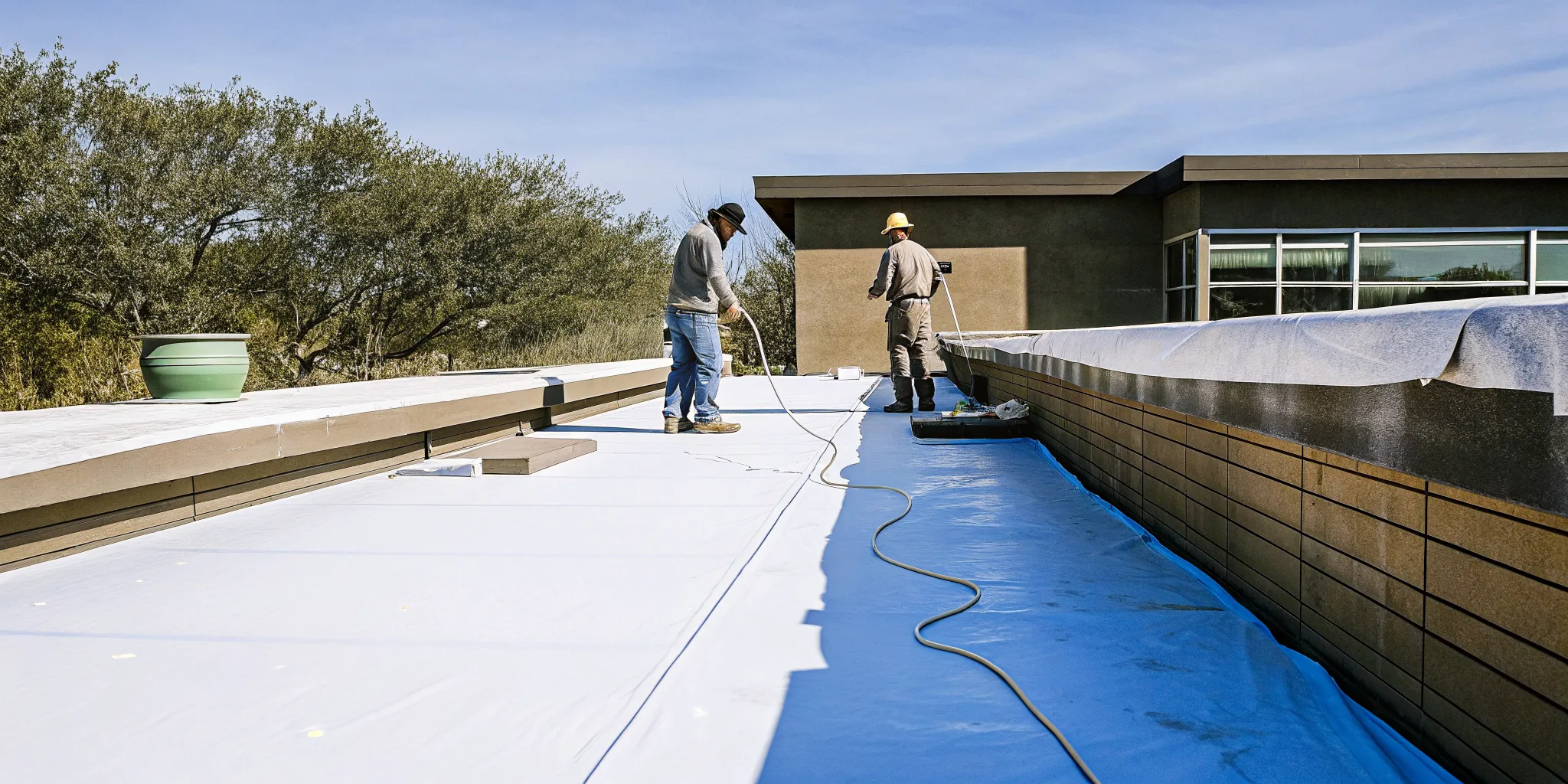
Sheets are laid across the prepared roof surface and attached according to the specified system. At the seams, installers use hot-air welding to fuse adjoining sheets together. This process creates a continuous, watertight surface rather than relying solely on overlapping loose edges. Seam preparation and welding quality matter because a poorly formed seam can undermine the performance of the entire membrane.
Why Is TPO Flexible?
The thermoplastic properties of TPO allow the membrane to flex as a building responds to thermal expansion, contraction, and normal movement. That flexibility helps the material accommodate those changes without cracking. TPO is also relatively lightweight, which can simplify handling during installation, but it is not a one-size-fits-all product. Compatibility between the membrane, insulation, adhesives, flashing, and other roof components should be confirmed against the manufacturer's specifications.
For Houston and Austin property owners, a professional evaluation is important before selecting a membrane. A commercial roofing contractor can assess slope, drainage, existing materials, wind exposure, and the condition of the roof deck before recommending a TPO assembly. If the existing system is nearing the end of its service life, review this commercial roof replacement guide for Texas business owners before planning next steps.
What Are the Benefits of TPO Roofing for Commercial Buildings?
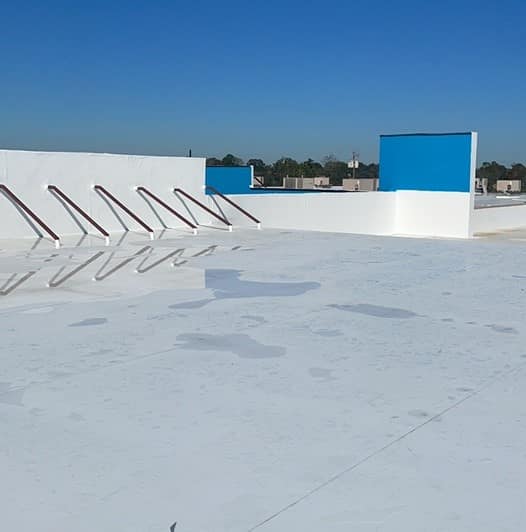
For commercial buildings, TPO roofing can provide a practical balance of energy performance, durability, and installation efficiency. Its white or light-colored surface is commonly classified as a cool roof because it reflects a substantial amount of solar radiation instead of absorbing it. That matters in Houston and Austin, where prolonged heat and sun can increase the load on a building's cooling system.
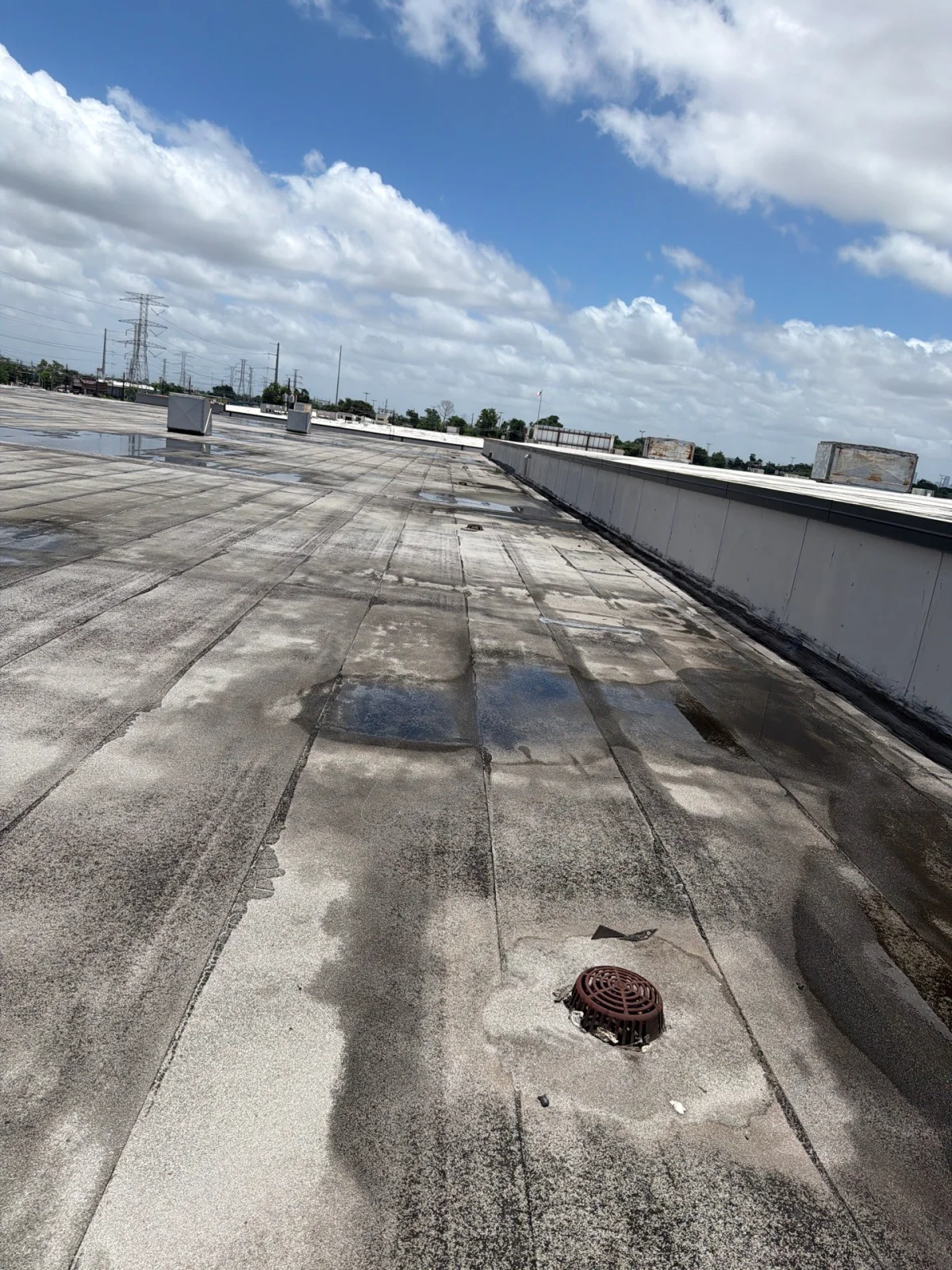
By reflecting more sunlight, a TPO membrane can help reduce heat transfer through the roof and support lower HVAC energy consumption. The benefit depends on the roof assembly, insulation, building use, weather, and the condition of the existing system. So savings should be evaluated as part of a building-specific assessment rather than promised as a fixed percentage. Cool roofs can also help reduce the urban heat island effect, an important consideration for dense Texas commercial areas. The U.S. Department of Energy explains the energy and urban-cooling role of cool roofs.
- Solar reflectance: A reflective membrane can reduce roof surface heat and help manage cooling demand.
- Resistance to thermal movement: TPO systems are designed to withstand expansion and contraction associated with changing temperatures.
- Flexibility: The membrane can accommodate building movement and thermal expansion without cracking, when properly detailed and installed.
- Lightweight construction: As a single-ply system, TPO generally adds less weight than multi-ply roofing assemblies.
- Cost efficiency: Published estimates place TPO material near $0.50 per square foot. While new installed systems are often cited around $5 to $9 per square foot, depending on access, insulation, tear-off, flashing, and project specifications.
Thermal movement resistance is especially useful on large commercial roofs, where repeated heating and cooling can stress membranes, seams, and flashing details. TPO's flexibility allows it to follow limited movement in the building and roof assembly without becoming brittle and cracking. That performance still depends on correct design, compatible components, secure attachment, and properly heat-welded seams.
The lightweight profile can also simplify planning for a retrofit when the existing structure and roof condition allow it. A contractor must verify the roof deck, drainage, insulation, attachment method, and manufacturer requirements before recommending an overlay or replacement. For a closer look at system options and installation planning, review commercial roofing installation services and request an on-site evaluation.
What Are the Disadvantages of TPO Roofing?
TPO roofing can be a practical choice for many commercial buildings, but it is not maintenance-free or equally suited to every roof. Its performance depends heavily on membrane quality, job-site conditions, installation details, and ongoing inspections. Understanding the limitations helps Houston and Austin property owners compare systems realistically instead of choosing based only on initial cost or energy performance.
Seams require precise heat-welding
TPO sheets are joined with hot-air-welded seams rather than relying on a continuous factory surface across the entire roof. Those seams create the watertight layer, so poor welding, contamination, inconsistent temperature, or inadequate testing can create weak points. Research notes that the success of a thermoplastic membrane depends on heat-welding that forms a monolithic waterproof surface (source research on TPO seam integrity). A small failure may allow water beneath the membrane before interior staining becomes visible.
Single-ply membranes can be damaged
Because TPO is a single-ply system, a puncture, cut, or tear can affect the weather barrier directly. Regular foot traffic, dropped tools, rooftop maintenance work, and sharp debris deserve attention, especially around HVAC equipment and service paths. TPO may also offer less impact resistance than some thicker or modified-bitumen systems. That does not make it unsuitable, but it does make roof-access planning and prompt repairs important.
Quality and climate affect long-term results
Low-quality membranes may shrink or become stressed after prolonged exposure to extreme heat. Texas sun and temperature swings make material selection, securement, flashing details, and expansion allowances especially important. Proper installation is also essential for resisting wind-uplift pressures and other environmental stresses, as documented in commercial roofing specifications (commercial roofing installation requirements).
TPO installation is not a suitable DIY project. Certified contractors can select compatible components, weld and test seams correctly, detail penetrations, and document areas that need attention. Property owners can further reduce risk by maintaining your TPO roof through scheduled inspections, safe access procedures, and timely repairs. The goal is not to eliminate every limitation, but to prevent avoidable installation and maintenance problems from becoming expensive leaks.
How Does TPO Compare to Other Commercial Roofing Options?
For a flat or low-slope commercial building, the right membrane depends on more than the material price. Texas owners should weigh installed cost, energy performance, seam reliability, expected service life, and how well the system fits the building's use. The following comparison provides a practical starting point for evaluating TPO roofing against other common commercial options.
| Factor | TPO | PVC | EPDM | Modified bitumen |
|---|---|---|---|---|
| Material cost | About $0.50 per sq. ft. | About $0.77 per sq. ft. | About $0.55 per sq. ft. | Varies by ply and system |
| Typical installed cost | $5-$12 per sq. ft. | Similar to TPO | $4.50-$9 per sq. ft. | $4.50-$8 per sq. ft. |
| Typical lifespan | 15-30 years | 15-30 years | 15-30 years | 15-30 years |
| Solar reflectance | High; cool-roof performance | High; cool-roof performance | Lower; generally not a cool roof | Usually lower than white single-ply membranes |
| Seam strength | Heat-welded seams | Heat-welded seams | Taped or bonded seams | Multiple bonded or sealed layers |
| Puncture resistance | Good, depending on thickness | Good, depending on thickness | Good, but surface protection matters | Good resistance from multiple plies |
| Flexibility | Flexible under normal movement | Flexible under normal movement | Highly flexible | Less flexible and heavier |
| Ease of installation | Lightweight, single-ply system | Lightweight, single-ply system | Lightweight, single-ply system | More labor-intensive multi-ply installation |
What does this comparison mean for Texas commercial owners?
TPO and PVC are often strong candidates for Houston and Austin buildings because their reflective surfaces can help limit heat absorption during long, hot summers. TPO also combines a relatively low material cost with heat-welded seams, but workmanship remains important. Poorly welded seams can compromise watertight performance, while penetrations and rooftop traffic can affect puncture resistance.
EPDM may offer a lower installed price and dependable durability, especially when high reflectance is not a priority. Modified bitumen provides a robust multi-ply design, but its added weight and more involved installation may affect structural and scheduling considerations.
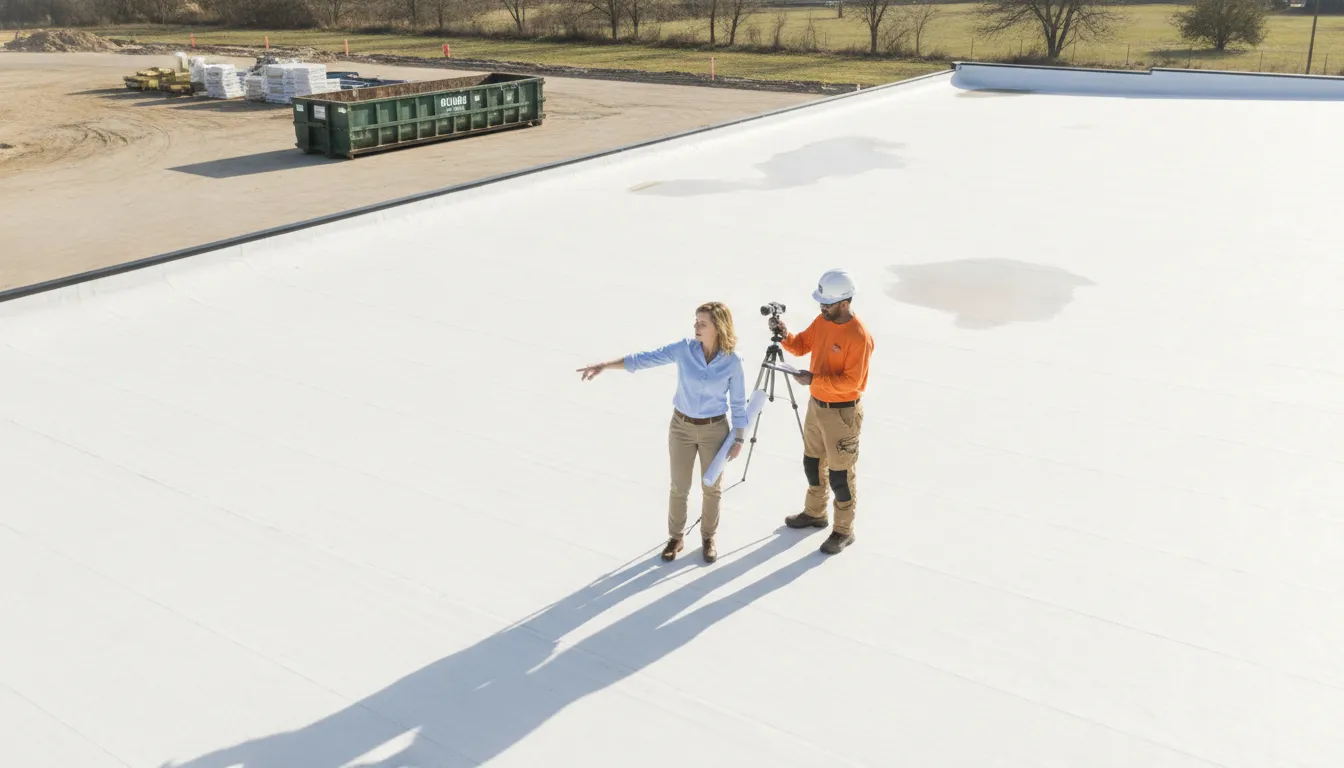
Before choosing a system, have a qualified contractor assess drainage, insulation, rooftop equipment, traffic, existing membrane condition, and wind exposure. Elevation Roofing can help evaluate those factors through commercial roof replacement services. You can also review additional types of flat roofing systems before deciding whether repair, restoration, or replacement best fits the property.
What Should Texas Business Owners Consider Before Choosing TPO Roofing?
Houston and Austin businesses face intense sun, high summer temperatures, humidity, heavy rain, and periodic hail. Those conditions make TPO roofing worth considering, but the membrane, insulation package, installation method, and contractor experience all affect performance. A commercial roof should be selected around the building's exposure and use, not just the material's advertised benefits.
Reflectivity and UV exposure
TPO is commonly classified as a cool roof because its surface reflects a substantial portion of solar energy, which can help reduce heat gain and cooling demand. The U.S. Department of Energy identifies cool roofs as a way to save energy and reduce urban heat island effects, benefits that are especially relevant in dense Texas markets. Learn more about cool roof performance.
Ask about membrane quality and UV stabilization before comparing bids. For many commercial applications, a 60- to 90-mil membrane provides a more durable specification than the thinnest available option. The right choice depends on foot traffic, rooftop equipment, expected service conditions, and the manufacturer's system requirements.
Storm resistance and seam quality
Hail and wind deserve specific attention. TPO can perform well under impact and severe weather when it is properly designed, insulated, attached, and flashed. Installation details should support wind-uplift resistance, and all materials must be compatible under the manufacturer's specifications. In Houston's humid environment, professional heat-welding is particularly important because weak seams can allow moisture to enter the assembly. Heat-welded seams create the monolithic waterproof surface that is central to TPO performance.
Retrofit, code, and contractor considerations
TPO is often suitable for retrofit projects, allowing an approved system to be installed over an existing roof when conditions permit. That approach can reduce tear-off waste and shorten disruption, but the existing substrate must be inspected first. The design should also address insulation, drainage, fire classifications, local building codes, and any requirements for rooftop equipment or occupancy.
Texas has a large and competitive commercial roofing market, so request documentation for the proposed membrane, fastening or adhesive system, insulation, and code compliance. Choose a contractor with demonstrated commercial experience and a detailed maintenance plan. For ongoing inspections and repairs, see Austin commercial roof maintenance.