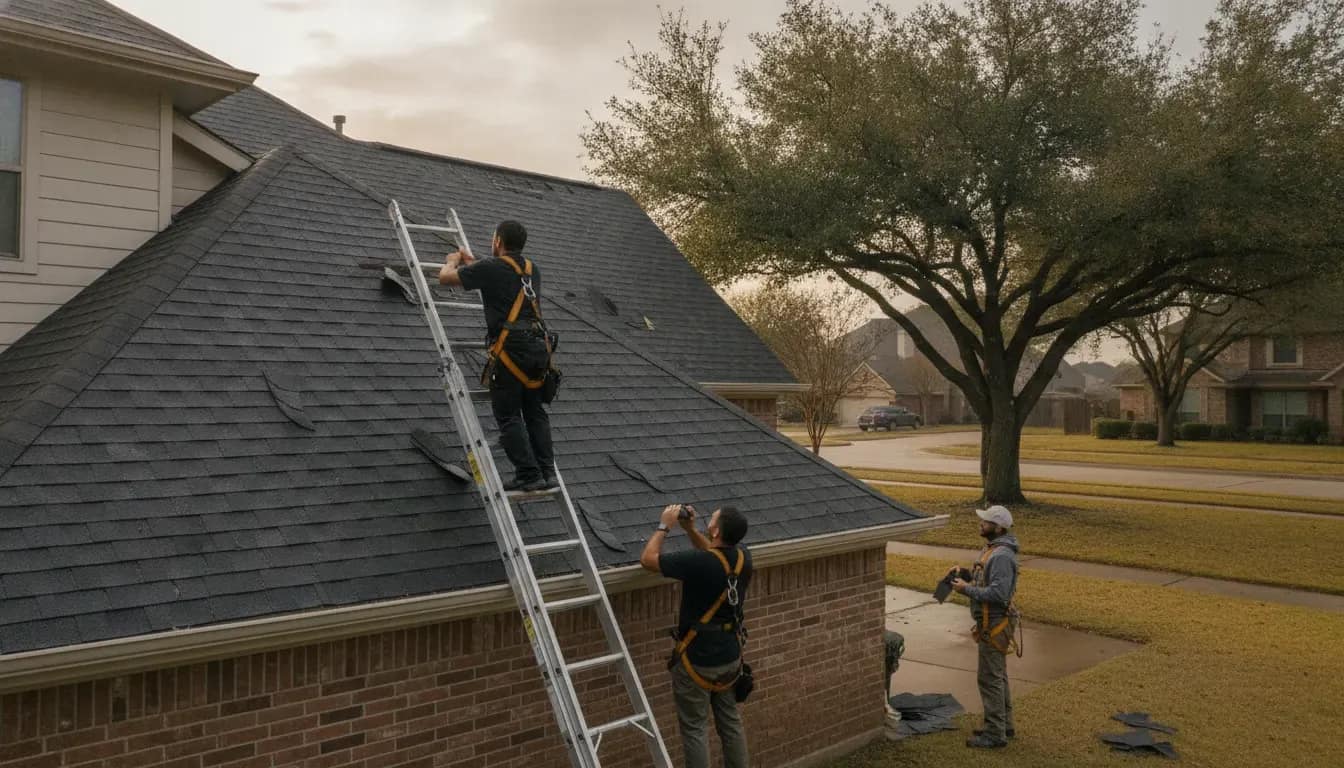
When wind, hail, falling debris, or heavy rain suddenly compromises a roof, emergency roof repair services can help protect the building while a permanent plan is developed. Texas property owners need a response that addresses immediate safety, water intrusion, documentation, and the condition of the full roof system, not just the most visible damage.
Call Elevation Roofing & Restoration at (832) 271-1726 for a free roof inspection and estimate.
What Counts as a Roofing Emergency in Texas?
Direct answer: A roofing emergency is sudden damage that allows water into a building, exposes the roof system, creates a safety concern, or could worsen with the next weather event. Missing roof sections, active leaks, punctures, fallen trees, wind-lifted shingles, damaged flashing, and severe hail damage may all require prompt professional attention.
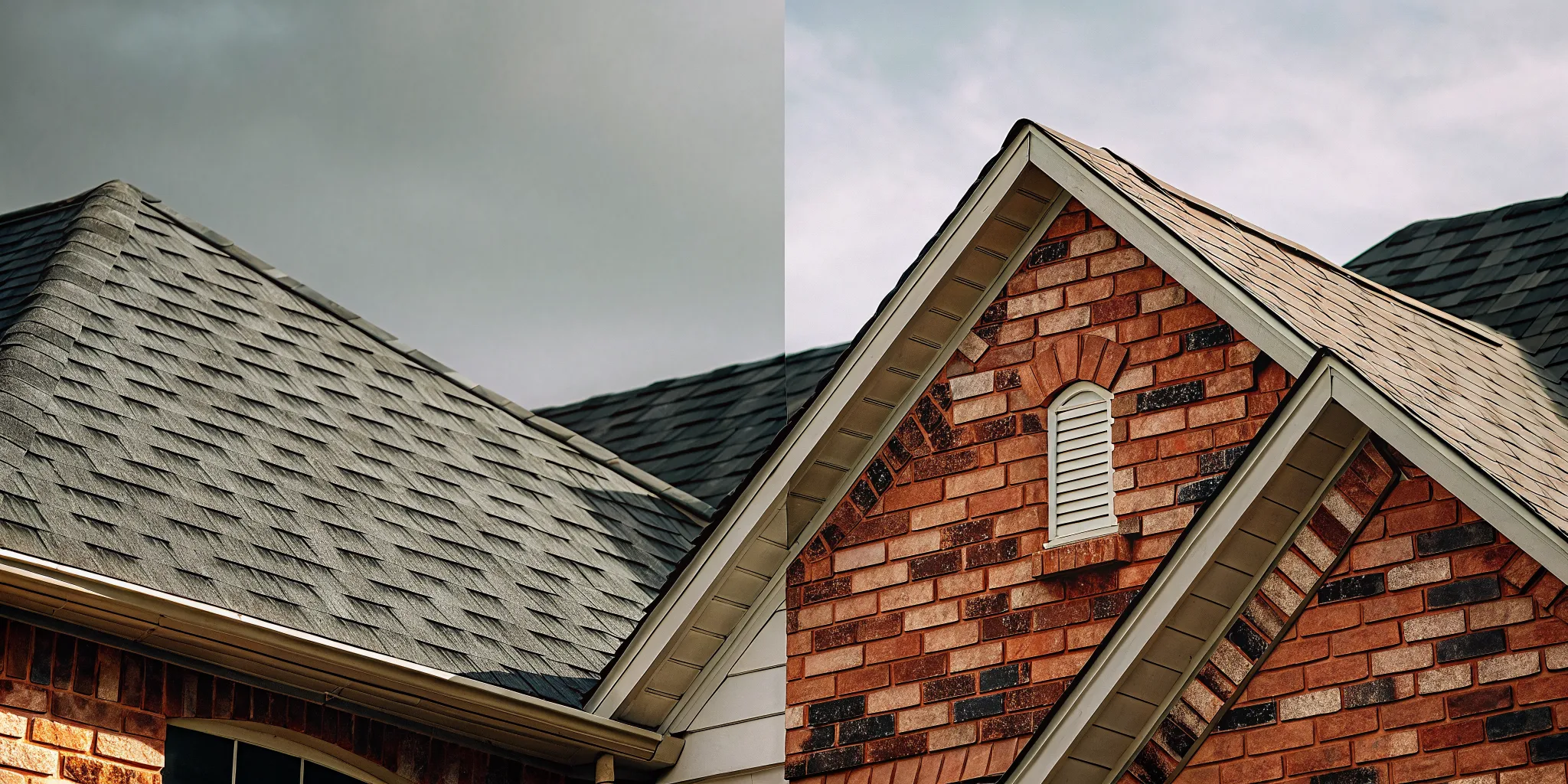
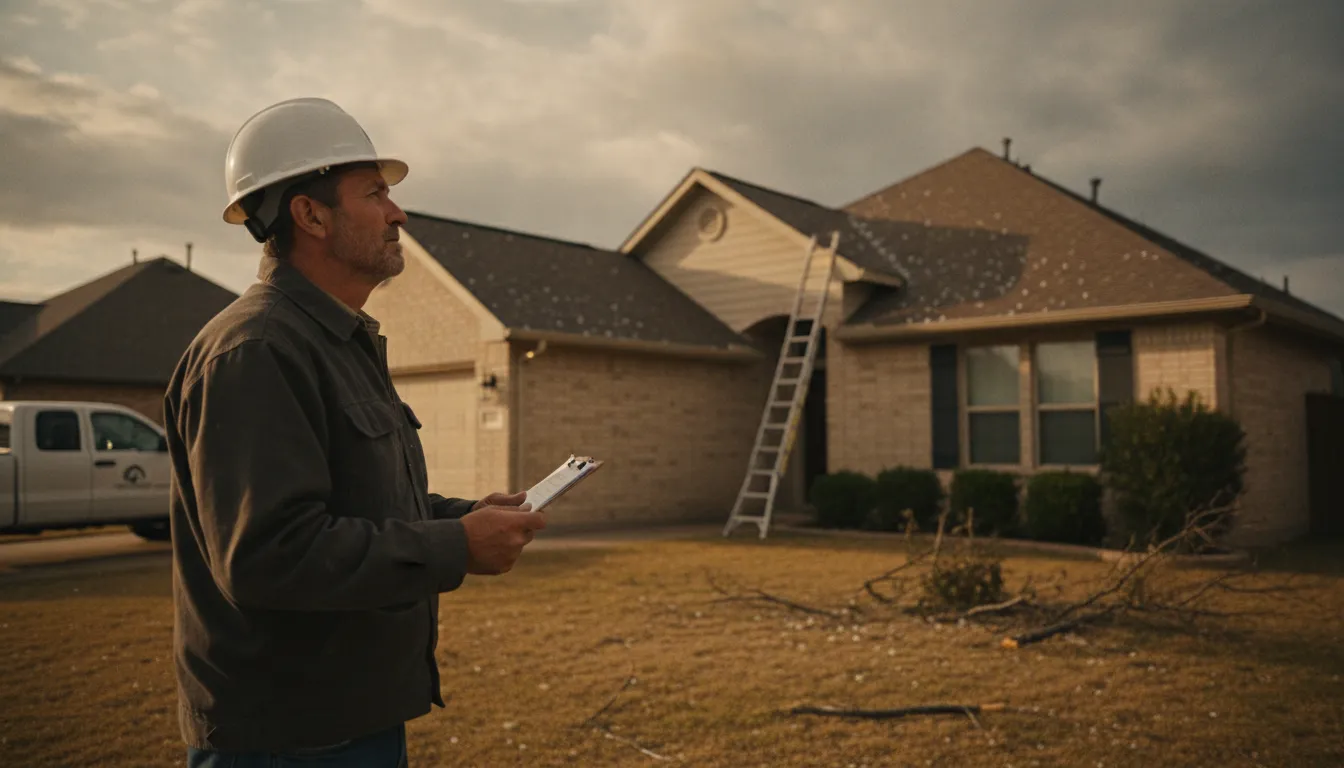
Texas weather can create several urgent roof conditions at once. A spring hailstorm may bruise shingles and damage vents, while a tropical storm can drive rain beneath lifted edges. High winds can move tiles, tear membrane seams, or expose roof decking. Heavy rain can overwhelm damaged flashing, valleys, or drainage paths. The damage may be obvious, or it may first appear as a ceiling stain or damp insulation.
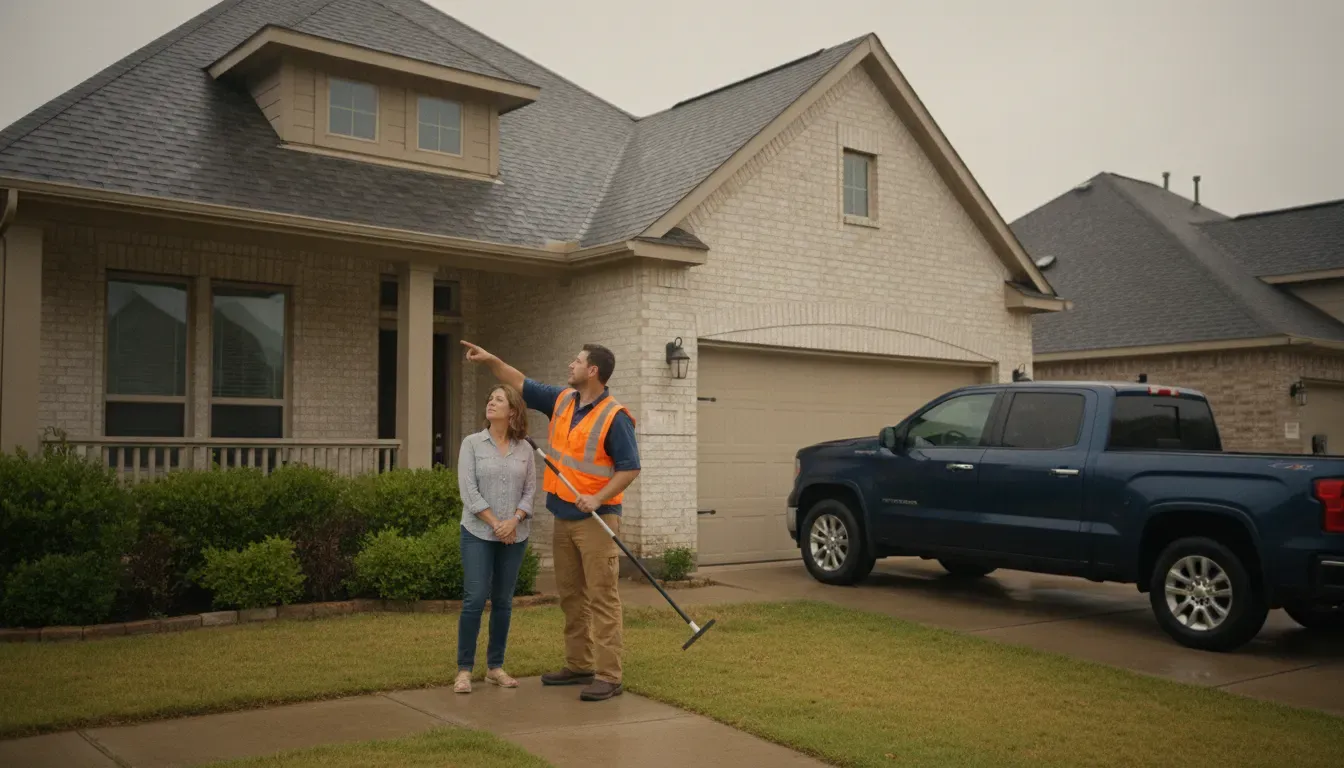
Property owners should put safety first. Stay away from downed power lines, unstable trees, sagging ceilings, and areas where water may meet electrical equipment. Do not climb onto a wet or damaged roof. From a safe location, record visible changes and contact a qualified roofing professional for an evaluation. For a detailed first-response checklist, read this six-step emergency roof repair action plan.
What Do Emergency Roof Repair Services Include?
Direct answer: Emergency roof repair services generally include a safety-focused inspection, documentation of the damage, temporary measures to limit additional water intrusion, debris or hazard assessment, and a plan for permanent repair or replacement. The right scope depends on the roof material, the source of the damage, the building type, and the extent of exposure.
Elevation Roofing & Restoration serves both residential and commercial properties across the Houston and Austin areas. Its storm response work covers hail, hurricanes, high winds, broken shingles or tiles, roof leaks or holes, damaged flashing, and clogged or damaged gutters. A professional assessment should connect the visible problem to the roof assembly beneath it, because replacing one exposed component may not address the reason water is entering.
- Assessment: Review the roof surface, penetrations, flashing, drainage, attic or interior signs, and surrounding property conditions when it is safe to do so.
- Emergency stabilization: Use appropriate temporary protection to reduce further exposure while permanent work is scoped.
- Damage documentation: Photograph and describe affected areas so the property owner has a clearer record for discussions with an insurance carrier.
- Repair planning: Identify whether the roof needs a targeted repair, broader restoration, or replacement based on the findings.
- Cleanup and follow-through: Address roofing debris and coordinate the next phase so temporary measures do not become a permanent substitute for a proper repair.
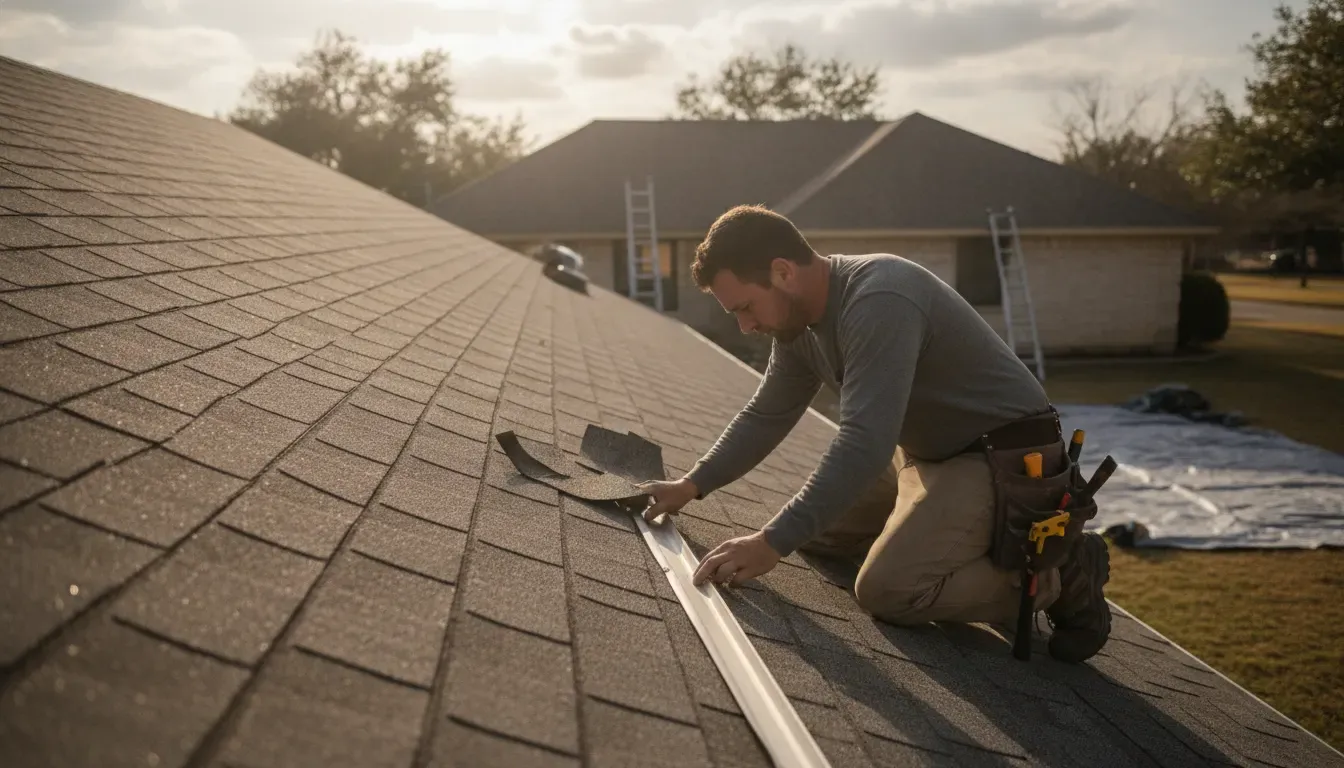
Emergency service is not the same as rushing into a full replacement. The immediate objective is to make the property safer and limit additional damage. The permanent recommendation should follow a complete inspection and a clear explanation of the repair scope.
How Does Emergency Roof Repair Work from Inspection to Permanent Repair?
Direct answer: A typical emergency roof repair process moves from safe contact and inspection to temporary protection, documentation, repair planning, and permanent work. Each phase should be explained to the property owner, with urgent mitigation kept separate from the final repair decision.
- Make the initial call: Share what happened, where water or damage is visible, the roof type if known, and whether anyone is in danger. If the building has structural or electrical hazards, follow emergency services or local authority guidance first.
- Assess the condition: A roofer reviews the exterior and available interior evidence, looking beyond the first leak location. Water can travel along roof layers, insulation, framing, and ceilings before it becomes visible.
- Stabilize exposed areas: When appropriate, the crew may use temporary protection such as tarping or a temporary repair to limit additional weather exposure. These measures are intended to buy time for a permanent solution.
- Document the findings: Photos, notes, and a clear description of affected materials help the owner understand the condition and prepare for an insurance conversation. Keep receipts for reasonable temporary work and follow the policy instructions from the carrier.
- Choose the lasting scope: The final plan may involve replacing damaged shingles or tiles, repairing flashing, correcting a leak source, restoring a roof system, or replacing areas that are no longer cost-effective to repair.
- Complete and review the work: Permanent repairs should address the source of the intrusion and leave the property ready for normal weather exposure. Ask for the completed scope and any care or warranty information that applies.
Because emergency conditions vary, no responsible roofer can promise the same repair for every property. A qualified provider will explain what can be done immediately, what requires a follow-up visit, and which decisions depend on the inspection.
When Should a Homeowner or Business Call a Roofer?
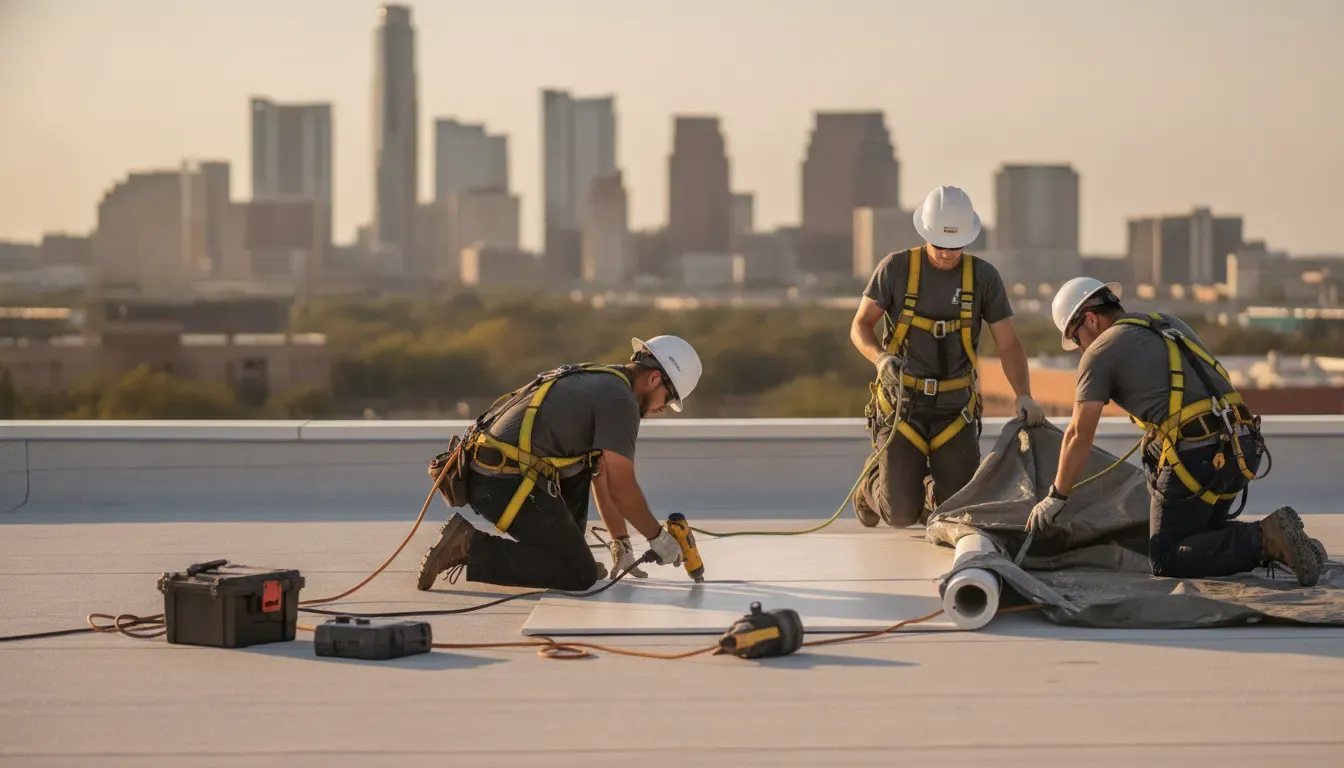
Direct answer: Call a professional roofer when a roof is actively leaking, visibly open or unstable, damaged by a fallen object, missing components after severe weather, or showing signs of water intrusion that could worsen. Commercial property owners should also call promptly when roof damage threatens inventory, equipment, tenants, employees, or business operations.
Use the table below as a screening guide, not as a substitute for an inspection. The same visible symptom can have different causes depending on the roof design and materials.
| Situation | Why it matters | Ask the roofer about |
|---|---|---|
| Active water intrusion | Interior finishes, insulation, and belongings may continue to be exposed. | Safe containment, leak source, and follow-up repair scope |
| Missing or lifted shingles | Underlayment and decking may be exposed to the next storm. | Whether adjacent areas, flashing, and roof edges were affected |
| Hail impact or punctures | Damage may be less visible from the ground and can reduce roof protection. | A full roof-system assessment and documentation |
| Fallen tree or large debris | There may be structural, electrical, or personal safety hazards. | Whether emergency services or a tree professional must clear hazards first |
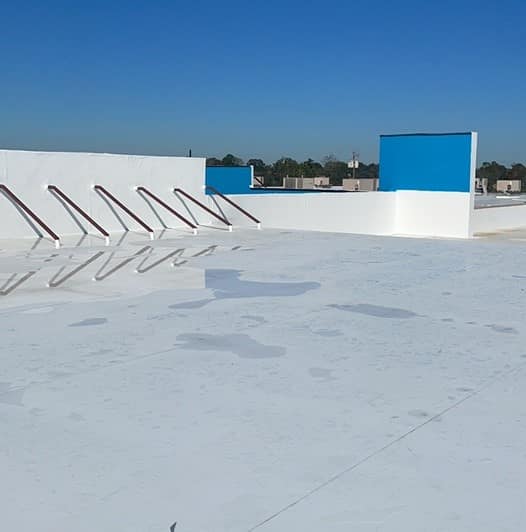
| Commercial membrane or drainage failure | Water can affect business operations and spread across a low-slope roof. | Temporary protection, drainage, and a repair plan that limits disruption |
If the condition is not actively worsening but you notice a new stain, granules in a gutter, damaged flashing, or a shingle in the yard, schedule an inspection rather than waiting for the next storm. Early evaluation can clarify whether the issue is an isolated repair or a sign of broader wear.
How Can You Choose Emergency Roof Repair Services in Texas?
Direct answer: Choose emergency roof repair services based on inspection quality, clear communication, relevant residential or commercial experience, documented repair scope, and a safe plan for temporary protection. A local provider should explain what it found without pressuring you to approve work before you understand the condition.
- Confirm that the company handles the roof material and building type involved.
- Ask what the inspection covers and whether the provider will document visible and hidden-risk areas.
- Request a written description of temporary measures and the permanent work being considered.
- Ask how storm damage documentation and insurance conversations are supported, while remembering that the carrier makes coverage decisions.
- Review local reputation and the company's service standards before signing a repair agreement.
- Be cautious of pressure to sign immediately, unexplained scope changes, or promises that coverage is guaranteed.
Elevation Roofing & Restoration emphasizes responsive service, in-house crews, quality craftsmanship, a 100% satisfaction guarantee, and help with storm-damage insurance claims. The company also describes its team as Owens Corning and GAF Certified. These points should support a conversation, not replace a property-specific inspection and written scope.
For the related question of how to vet a roofer during a stressful event, review the emergency roof repair action plan. For storm-specific damage and claim preparation, see this Texas storm damage repair guide.
What Should Texas Property Owners Know About Insurance?
Direct answer: Insurance coverage depends on the policy, cause of damage, exclusions, deductible, roof condition, and the carrier's investigation. Property owners should document conditions safely, notify the insurer promptly, keep records of temporary work, and ask a qualified roofer to explain the observed damage without promising a claim outcome.
Elevation Roofing & Restoration can help document storm-related roof conditions and assist with the insurance claim process. That support can make it easier to organize photographs, inspection notes, and the proposed repair scope. It does not replace the policy, the adjuster's review, or the owner's responsibility to follow the carrier's instructions and deadlines.
Do not delay simply because damage is not dramatic. Hail bruising, lifted edges, damaged flashing, and blocked drainage may worsen when another storm arrives. If the emergency involves a rental, commercial property, or shared building, notify the appropriate owner, manager, tenant, or safety contact as well.
Schedule a free roof inspection and estimate with Elevation Roofing & Restoration at (832) 271-1726.
Frequently Asked Questions
What are emergency roof repair services?
Emergency roof repair services respond to sudden roof damage that threatens safety or allows additional water intrusion. They may include inspection, documentation, temporary protection, debris assessment, and a plan for permanent repair or replacement.
Does Elevation Roofing & Restoration handle storm damage in Texas?
Yes. Elevation Roofing & Restoration serves residential and commercial property owners in the Houston and Austin areas and handles storm-related conditions such as hail, wind, hurricane damage, leaks, damaged flashing, and broken roofing components.
Should I climb onto my roof to check emergency damage?
No. Wet surfaces, hidden structural damage, debris, and electrical hazards can make a damaged roof unsafe. Observe from a safe location, document what you can without taking risks, and request a professional inspection.
Can a roofer help with an insurance claim?
Elevation Roofing & Restoration offers help with storm-damage insurance claims and can document observed conditions and repair needs. The insurance carrier decides coverage under the policy, so property owners should also notify the carrier and follow its instructions.
Is a temporary roof repair the same as a permanent repair?
No. Temporary protection is intended to reduce additional exposure while the full condition is evaluated. A permanent repair addresses the source and extent of damage and may involve component repair, restoration, or replacement.