Spring in Texas is a short, deceptive window. The mornings feel mild, the lawns green up, and the roof overhead looks exactly like it did in December. But the calm does not last. From March through June, Greater Houston and the Austin metro move straight into the most punishing part of the year for roofing: severe thunderstorms, hail, and straight-line winds. The work you do in those few quiet weeks of early spring decides whether your roof sails through storm season or springs a leak in the middle of it.
This is your spring roof reset, a focused checklist built for the Texas climate. The goal is simple: undo the quiet wear winter leaves behind, and walk into hail season with a roof in the best shape possible. Here is exactly what to look for and what to leave to a professional.
Why Spring Is the Make-or-Break Season for Texas Roofs
Most homeowners think of winter as the rough season for a roof. In Texas, the real test comes right after it. Our winters are mild, but the occasional hard freeze, daily temperature swings, and damp gray stretches do quiet damage that rarely shows from the ground. Then spring arrives and stacks severe weather on top of an already-stressed roof.
Winter typically leaves behind a handful of issues:
- Cracked or lifted shingles from freeze-thaw cycles and contraction in cold snaps.
- Dried, split sealant around vents, chimneys, and skylights, where most leaks actually begin.
- Algae, moss, and trapped debris from cool, damp weeks that hold moisture against the roof surface.
- Clogged gutters packed with late-fall leaves that will back water under your shingles during the first heavy spring downpour.
None of that is dramatic on its own. The danger is timing. A lifted shingle that would survive a calm month becomes a tear-off point when 60 mph gusts hit it in April. Spring prep is about closing those gaps before the weather finds them.
Your Spring Roof Reset Checklist
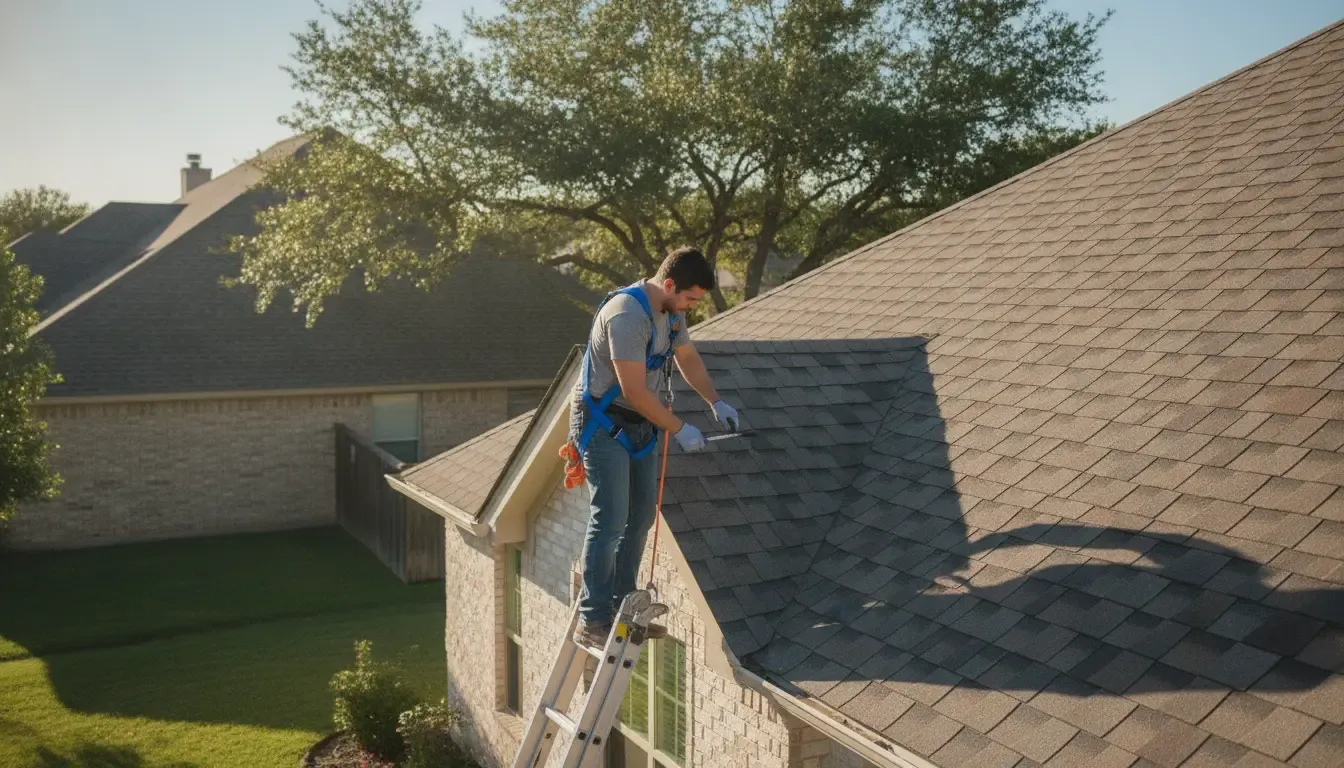
You can handle most of the early steps yourself from the ground or an upstairs window. Resist the urge to climb up, especially on a two-story home or a steep pitch. Here is the sequence we recommend.
1. Do a Ground-Level Visual Scan
Walk the full perimeter of your home with your eyes on the roofline. Look for shingles that are cracked, curled, buckled, or missing entirely. Check the ridge line for sagging, and the valleys where two roof planes meet, since those channels carry the most water and fail first. On a metal roof, watch for loose panels, backed-out fasteners, or lifted seams.
2. Clear the Gutters and Downspouts
This is the single highest-return task on the list. Gutters packed with winter debris cannot move water, so spring rain pools at the roof edge and works its way under the shingles into your fascia and decking. Flush them out and confirm downspouts drain well away from the foundation. Our gutter cleaning guide covers the safe way to do it, and if your gutters are sagging or undersized for Texas downpours, it may be time to look at new gutters.
3. Clean Off Algae, Moss, and Debris
Those dark streaks on a north-facing slope are usually algae, and the green fuzz in shaded spots is moss that holds moisture against the shingle. Left alone through a wet spring, both shorten shingle life. Gentle cleaning, never a pressure washer, which strips protective granules, keeps the surface healthy.
4. Trim Overhanging Branches
Spring storms turn limbs into battering rams. Branches that scrape shingles in the wind or snap off and land on the roof are one of the most common, and most avoidable, sources of storm damage. Cut anything that reaches over the roofline back to a safe distance.
5. Look and Listen for Leaks Inside
Head into the attic on a bright day. Daylight coming through the decking, water stains on rafters, a musty smell, or damp insulation all point to a roof that is already letting moisture in. Inside the living space, watch for ceiling stains, peeling paint, or a sudden jump in your energy bill, which often signals failing ventilation or a hidden leak.
Why a Pre-Storm Inspection Pays for Itself
A ground-level scan catches the obvious problems. It does not catch the subtle ones, and in Texas the subtle ones are the expensive ones. Hail bruising, hairline cracks in flashing, granule loss, and lifted nails are nearly invisible from below but are exactly the weak points that fail when the first real storm rolls through.
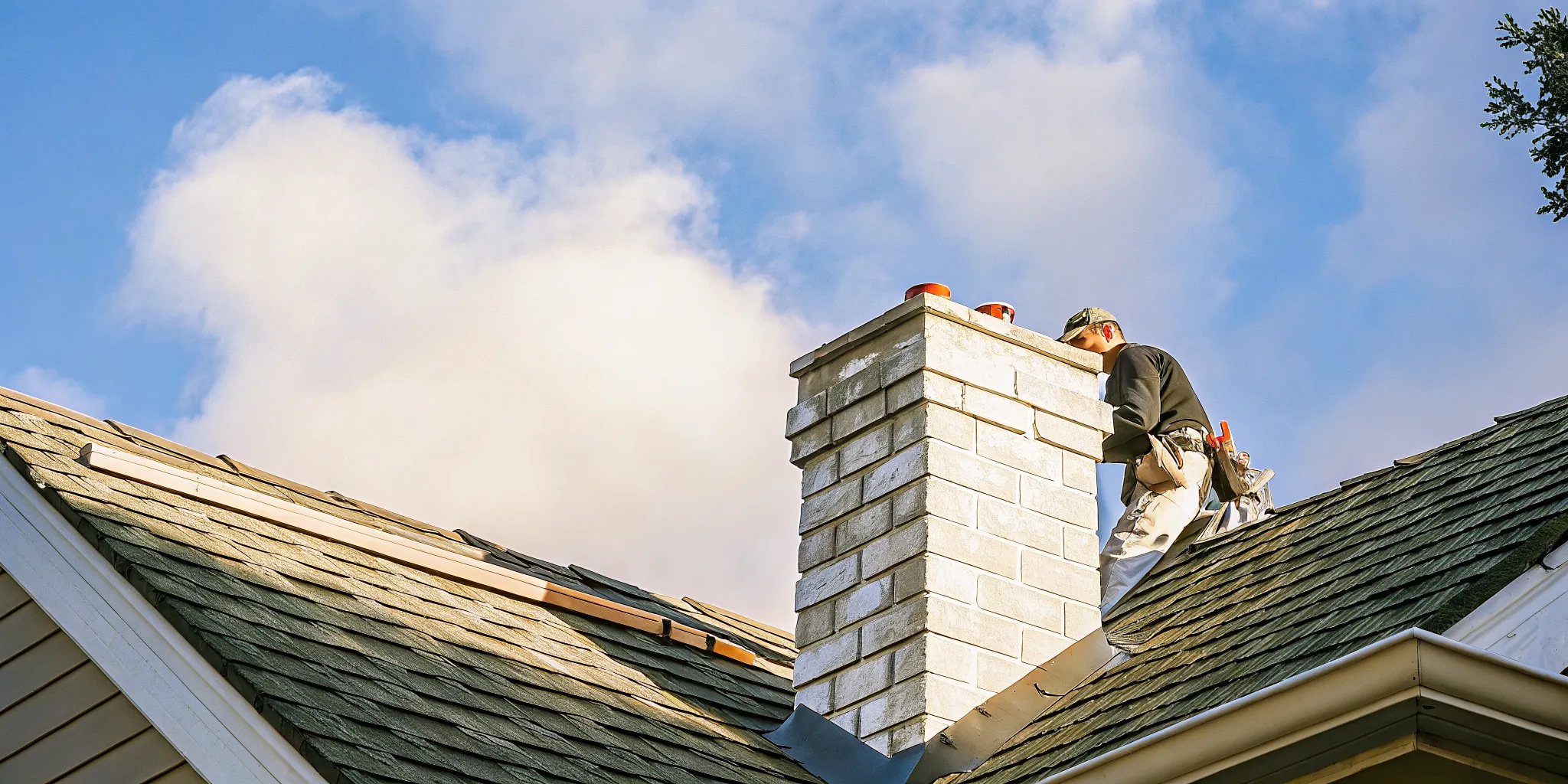
A professional roof inspection in early spring does two things at once. First, it finds and documents those small issues while they are still cheap repairs instead of emergency leaks. Second, and just as important, it creates a dated record of your roof's condition before storm season. If hail or wind later damages your roof, that baseline is invaluable when you file a claim, because it proves what was sound beforehand. We handle storm damage repairs and work directly with your homeowners insurance on the claim, so you are not navigating that alone.
This is also the season when routine roof maintenance delivers the most value. A roofer can reseal penetrations, replace a few worn shingles, and re-secure loose flashing in a single visit, the kind of small work that quietly adds years to a roof's life and keeps it watertight through the worst of spring.
When Spring Reveals Bigger Problems
Sometimes the reset turns up more than a quick fix can solve. If you are finding widespread granule loss, multiple soft or sagging spots, daylight through the decking, or a roof that is simply near the end of its rated life, spring is the ideal time to act. Mild temperatures make for clean, efficient installations, and replacing before storm season beats scrambling after it.
If you are weighing that decision, our guide on the signs it is time to replace your roof can help you read the situation, and a professional roof replacement with GAF lifetime systems sets you up for many storm seasons to come.
Start Spring With Confidence
You do not need to be a roofer to get your home ready. A short reset, clear the gutters, scan the shingles, clean off the algae, trim the branches, and check the attic, takes care of the basics. From there, one professional inspection closes the gap on everything you cannot see from the ground, right before the weather that matters most.
If it has been a while since anyone looked closely at your roof, or last year's storms left you wondering, let us take a look before hail season starts. Elevation Roofing & Restoration offers a free roof inspection (a $399 value) across Greater Houston and the Austin metro. As a GAF Preferred Contractor with a 5-star Google rating and a 100% satisfaction guarantee, we will tell you honestly what we find and what, if anything, needs attention, so you head into spring with a roof you can trust.