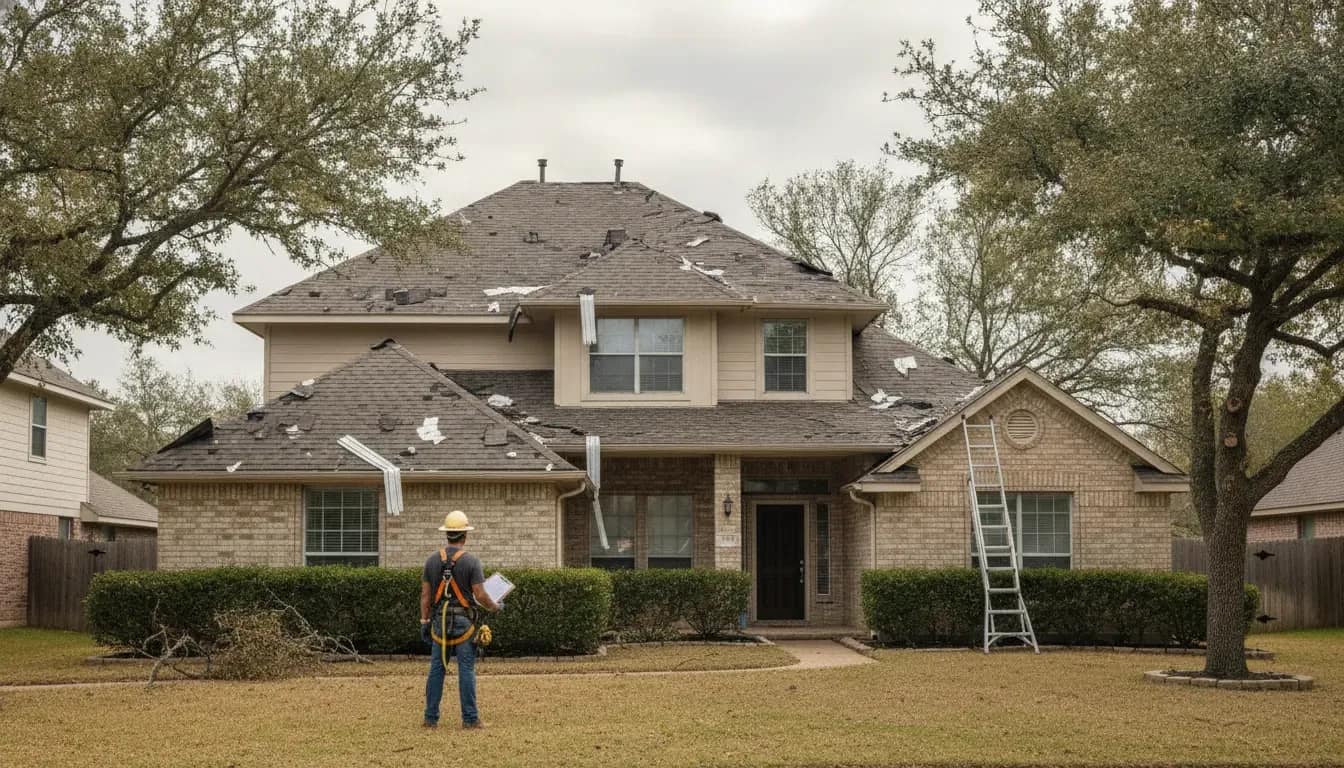
When a Texas storm leaves behind missing shingles, hail marks, a damaged vent, or a puncture from a fallen branch, the first question is often, "What kind of roof damage is covered by insurance?" The answer usually depends on the cause of the damage, the policy's covered perils and exclusions, the roof's condition, and the deductible. A roof inspection can document what happened, but only the insurance carrier can decide whether a claim is covered.
Call Elevation Roofing & Restoration at (832) 271-1726 for a free roof inspection and estimate.
Homeowners or commercial property insurance may cover sudden roof damage caused by a covered event such as wind, hail, fire, lightning, or a falling object. Insurance commonly does not pay to replace a roof solely because it is old, worn, poorly maintained, or installed incorrectly. Review your policy, document the damage, and ask your carrier what applies before authorizing permanent work.
This guide explains common coverage patterns for Texas property owners. It is not a promise of claim approval or a substitute for the policy, your insurance agent, your carrier, or a licensed claims professional. Commercial policies can have different terms from residential policies, so business owners should confirm their specific coverage.
What Kind of Roof Damage Is Usually Covered by Insurance?
Insurance is generally designed to respond to a covered cause of loss, not to every roof problem. When a sudden event damages an otherwise serviceable roof, the affected roofing materials and related property damage may be eligible for consideration, subject to the policy, limits, exclusions, and deductible.
Texas Department of Insurance guidance explains that homeowners may be able to file a claim when a storm, tree, or another event damages the roof. That guidance also cautions that policies vary, so a similar-looking roof problem can receive a different coverage decision depending on its cause and the policy language.
- Wind damage: High winds can lift or remove shingles, loosen metal panels, damage flashing, or create openings around roof edges and penetrations.
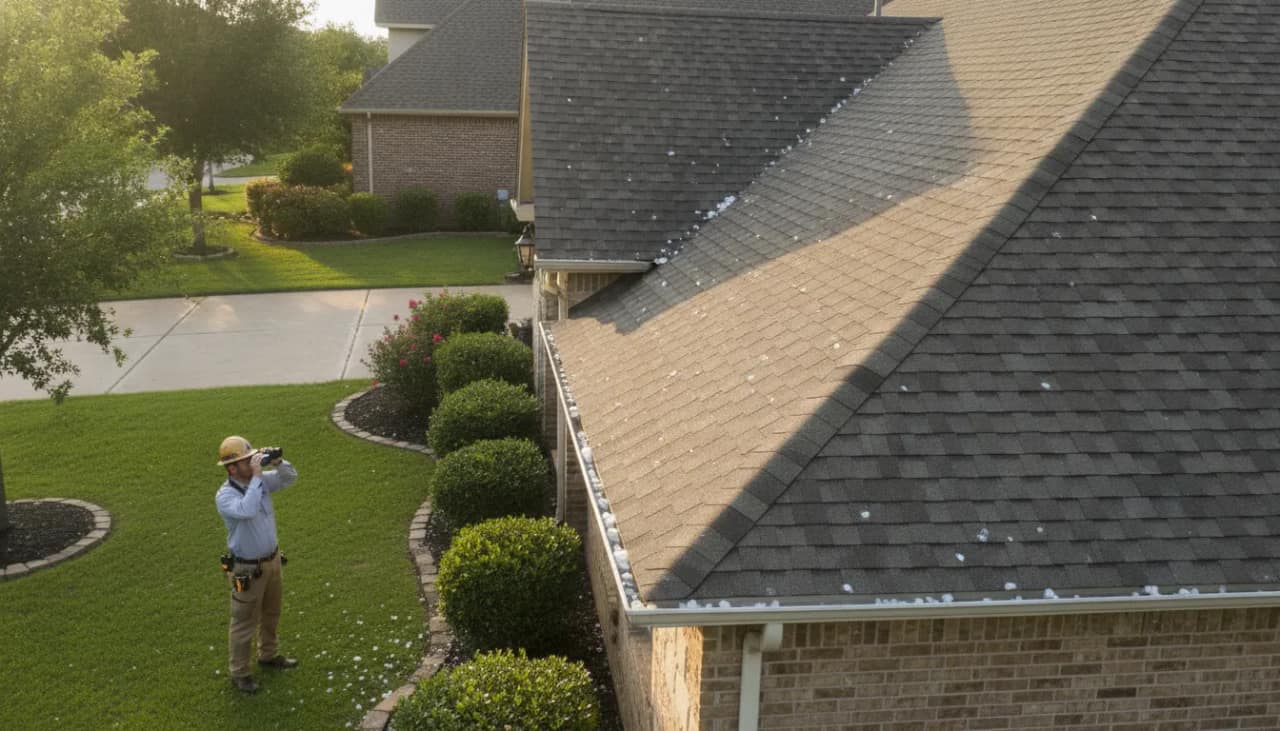
- Hail damage: Hail can bruise shingles, damage vents and soft metals, crack tile, or affect other roof components. Some marks are difficult to identify from the ground.
- Falling objects: A tree limb, tree, or other covered object can puncture a roof or damage a roof section. Coverage can depend on the policy and the circumstances.
- Fire and smoke damage: A covered fire can affect the roof surface, decking, framing, ventilation components, and interior areas.
- Lightning or sudden electrical events: A covered lightning event may damage roof-mounted equipment or create a fire-related loss, depending on the policy.
- Weight of ice, snow, or water: Some policies address certain sudden weight-related losses, but Texas owners should never assume this category applies without checking the policy.
The important distinction is between the visible condition and the event that caused it. A missing shingle may be the result of a recent windstorm, long-term deterioration, poor installation, or an earlier unrepaired loss. Photos, weather timing, maintenance records, and an inspection can help establish a clearer timeline.
How Can Wind and Hail Damage Affect a Texas Insurance Claim?
Wind and hail are common reasons Texas property owners ask about roof insurance coverage. A storm can affect more than the shingles that are easiest to see. It may also damage ridge caps, flashing, vents, gutters, skylights, membranes, tile, metal panels, or the roof edges. Water intrusion may not appear until the next rainfall.
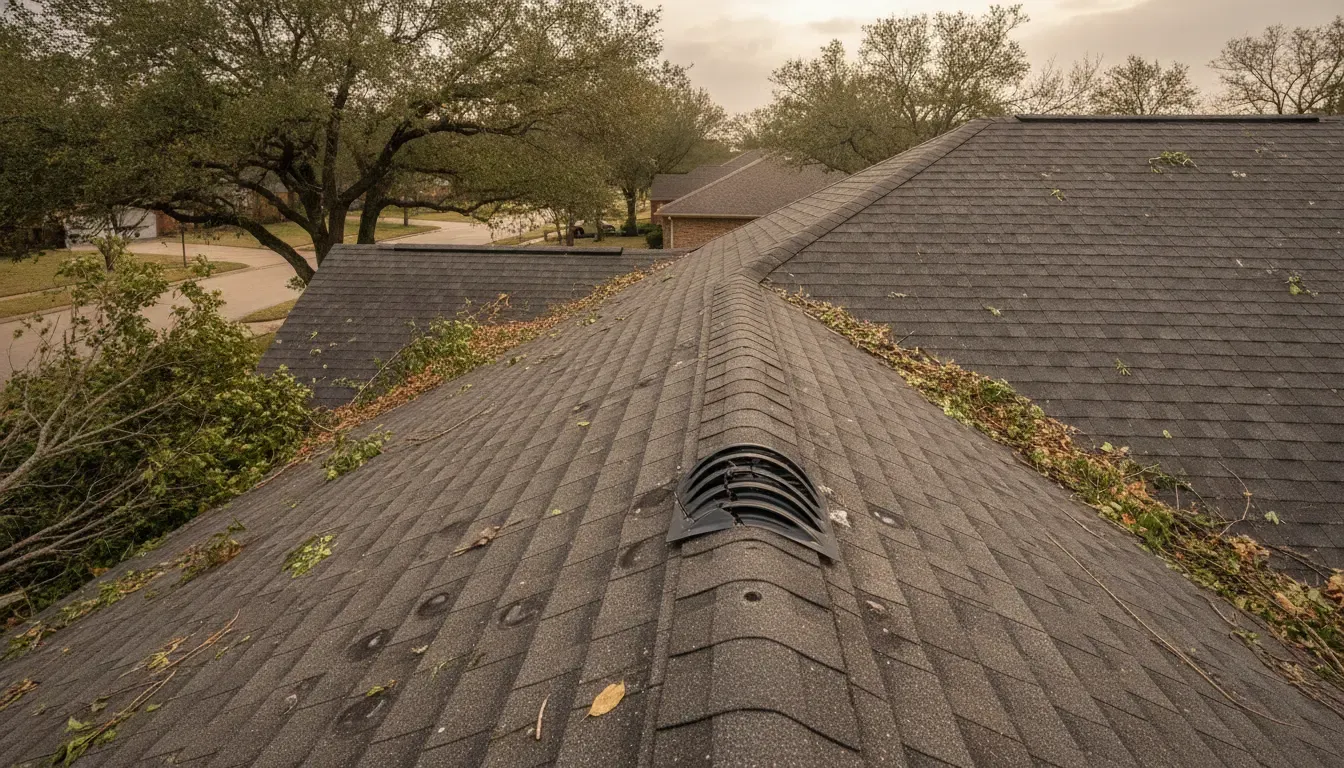
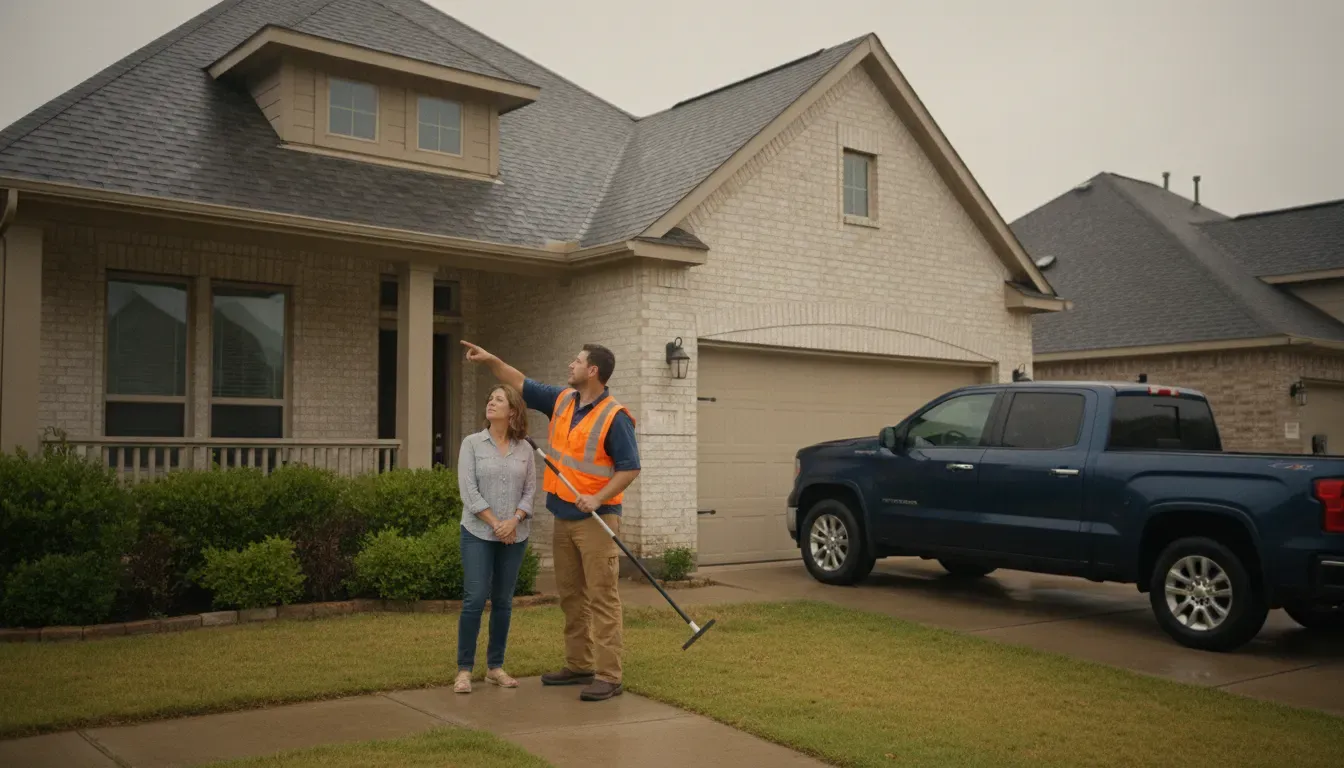
Do not climb onto a wet, steep, or visibly damaged roof to look for evidence. From a safe location, record the date of the storm, take exterior photos, and note any new ceiling stains or signs of water entry. A qualified roofing professional can inspect the roof system and create a written record for your discussions with the carrier.
Hail damage also should not be judged only by whether a shingle is missing. Hail can affect different materials in different ways, and damage may be concentrated on one slope or elevation. An inspection should consider the roof surface and related components without overstating what can be known from a visual review.
Which Roof Problems Are Usually Excluded?
Many roof insurance disputes come down to the difference between a sudden covered event and a condition that developed over time. A policy may exclude ordinary wear, neglect, or maintenance issues even when the resulting leak is serious. The fact that water is entering the building does not, by itself, establish that the roof repair is covered. For a separate homeowner-focused explanation of leak causes and policy factors, read Elevation Roofing's Texas roof leak insurance coverage guide.
- Age and ordinary wear: Shingles, membranes, flashing, and other materials can deteriorate over time. Insurance generally does not function as a maintenance plan.
- Long-term leaks: A leak that developed gradually may be treated differently from water entering through new storm-created damage.
- Deferred maintenance: Clogged drainage, neglected flashing, exposed sealant, or unrepaired prior damage can affect a claim review.
- Defective workmanship or materials: Some policies exclude faulty installation or construction defects, while other remedies may involve a contractor or manufacturer.
- Flood or groundwater: Water that reaches a building from flooding or another excluded source may require different coverage.
- Damage outside the policy terms: Exclusions, endorsements, sublimits, deductibles, and reporting requirements can change what the carrier considers payable.
A roof can have both covered and excluded conditions at the same time. For example, a storm may damage a newer roof while older flashing or prior deterioration also contributes to water entry. That is one reason a careful inspection report should distinguish observed storm damage from pre-existing or maintenance-related conditions rather than label the entire roof covered or uncovered.
How Do Roof Age, Deductibles, and Payment Method Affect Coverage?
Roof coverage is shaped by more than the weather event. Texas Department of Insurance explains that some policies use replacement cost coverage, while others use actual cash value. Replacement cost coverage may pay toward current repair or replacement costs for a covered loss, subject to the policy and deductible. Actual cash value can account for depreciation, age, and wear.
Ask your agent or carrier these questions before assuming a claim will fund a full replacement:
- Is the roof covered at replacement cost, actual cash value, or under a roof-specific limitation?
- Is there a separate wind or hail deductible?
- Does the policy have a roof-age restriction, cosmetic-damage exclusion, or matching limitation?
- What documentation is required, and how soon must the loss be reported?
- Will payment be issued in stages after temporary or permanent work begins?
A deductible is the amount the policyholder may need to pay before insurance contributes to a covered loss. The deductible and the payment method can materially affect the out-of-pocket amount, even when the event itself is covered. Do not agree to a repair scope based only on an expected insurance payment until you understand those terms.
Does Insurance Cover Roof Damage on Commercial Buildings?
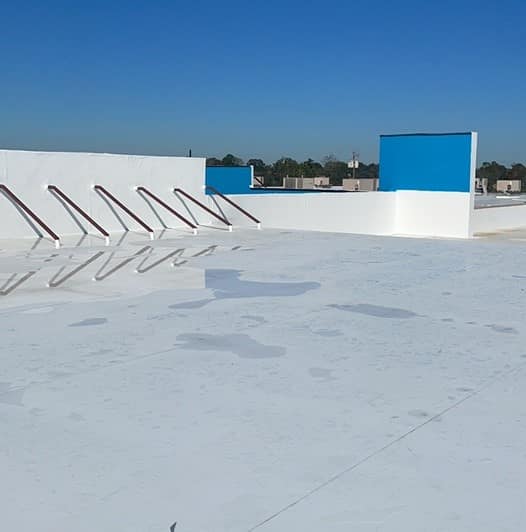
Commercial property owners face the same basic question about cause and coverage, but the policy structure may be different. A commercial roof can use a membrane, modified bitumen, built-up system, metal panels, or another assembly. The policy may include terms related to the building, business property, loss of income, maintenance responsibilities, or roof-specific exclusions.
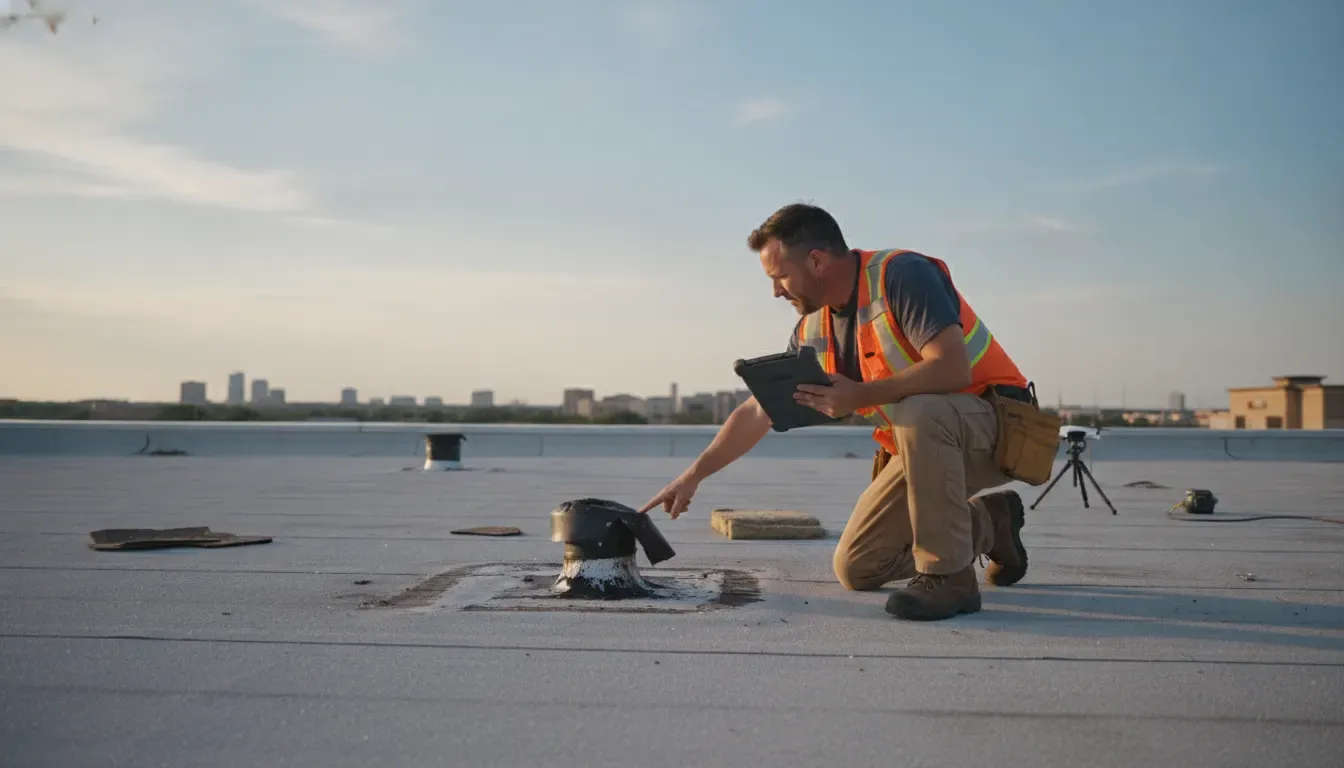
When a commercial roof is damaged, the property manager or owner should protect occupants, prevent additional water entry when safe, and notify the appropriate insurer or broker. Keep records of temporary measures, affected areas, tenant or equipment impacts, and any communications about the loss. A commercial roofing inspection can document the roof assembly and distinguish sudden damage from conditions that existed before the event.
Business owners should not assume that a residential answer applies to a commercial building. Review the commercial policy and coordinate with the carrier, broker, property manager, and qualified roofing professional before permanent repairs or replacement.
Elevation Roofing & Restoration serves residential and commercial property owners in Houston, Austin, and surrounding Texas communities. Visit the service-area page to see the markets served.
What Should You Do After Suspected Storm Damage?
Good documentation does not guarantee coverage, but it can make the condition and timeline easier to understand. Start with safety and temporary protection, then create a clear record before the roof changes. For a separate step-by-step walkthrough of the claim process, read the Texas roof insurance claims guide.
- Protect people first. Stay away from unstable roof areas, downed lines, sagging ceilings, and water near electrical equipment.
- Prevent additional damage when safe. Use reasonable temporary measures and keep receipts. Do not make permanent repairs before discussing the loss with the carrier unless an urgent safety issue requires it.
- Photograph from safe locations. Capture the building exterior, interior water marks, fallen objects, damaged gutters, and visible roof components.
- Record the timeline. Note the storm date, when damage was first noticed, when water entered, and whether repairs or prior issues existed.
- Notify the carrier or agent. Ask what the policy requires, which deductible applies, and what documentation is needed.
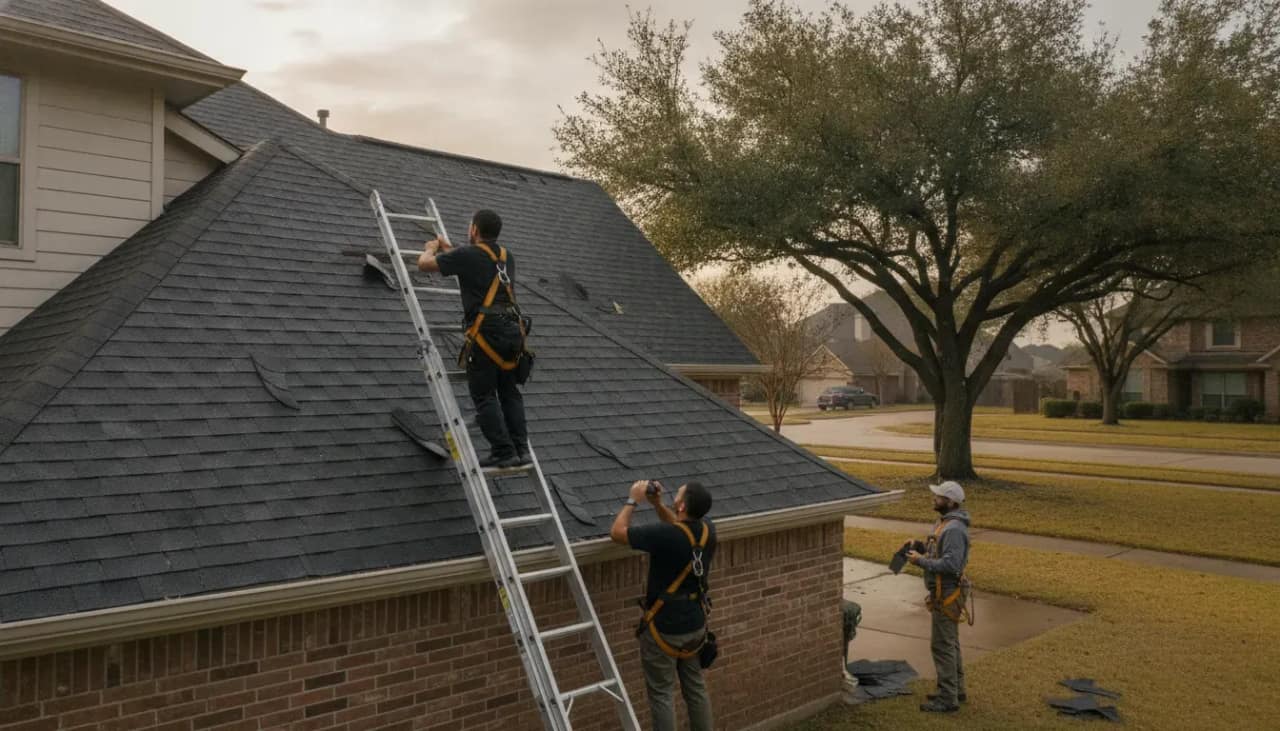
- Schedule a professional roof inspection. An inspection can help identify affected components and create a repair estimate without deciding the insurance question for the carrier.
The Texas Department of Insurance recommends taking pictures before making repairs and generally advises homeowners to discuss permanent work with the insurance company first. Follow the instructions in your policy and keep copies of reports, estimates, receipts, and claim communications.
What Evidence Helps Document Insurable Roof Damage?
The strongest record connects the event to the observed condition without overstating the conclusion. Useful evidence may include:
- Photos and videos taken before cleanup or permanent repairs
- Weather reports or the date and time of the suspected storm
- A roofing inspection report identifying affected roof components
- Interior photos showing water stains, damaged insulation, or ceiling impacts
- Maintenance records, prior inspection reports, and previous repair invoices
- Temporary repair receipts and records of steps taken to prevent additional damage
- The policy declarations page, endorsements, deductible information, and claim correspondence
Keep the record factual. A roofing professional can describe what was observed, where it was found, and what repair may be appropriate. The carrier determines whether those observations meet the policy's coverage terms.
Frequently Asked Questions
Does homeowners insurance cover hail damage to a roof in Texas?
It may, when hail is a covered peril and the damage falls within the policy terms. The carrier will consider the roof condition, exclusions, deductible, and available evidence. Have the roof inspected and ask the carrier how to document the loss.
Will insurance pay for a new roof because the roof is old?
Usually, a roof is not replaced simply because it is old or worn. Coverage generally depends on a covered event and the policy's treatment of roof age, depreciation, and maintenance. Review the policy with your agent or carrier.
Does insurance cover a roof leak after a storm?
A leak may be covered when a covered storm event suddenly damages the roof and allows water into the building. Gradual deterioration, neglect, or an excluded source of water may be treated differently. Document the cause and review the policy before permanent repairs.
What should I do if my roof insurance claim is denied?
Read the written explanation, compare it with the policy language, and ask the carrier or agent what evidence or review process is available. A qualified roofing professional can clarify the observed roof condition, but cannot guarantee a coverage decision.