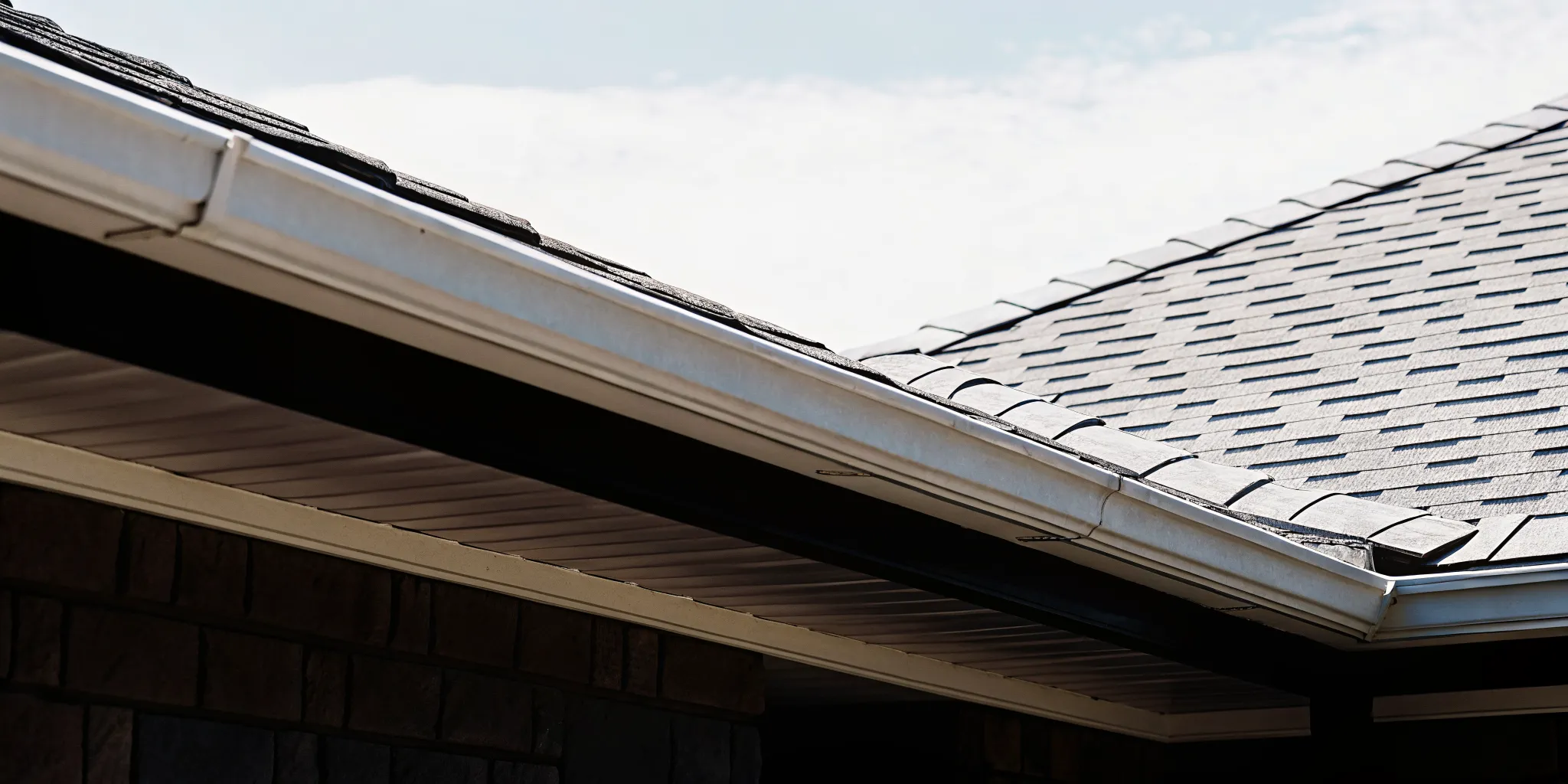
Roof ventilation in Texas moves hot air and moisture out of your attic while drawing fresh air in through lower intake vents. Elevation Roofing & Restoration helps Houston and Austin property owners evaluate that balance so the roof assembly, insulation, and cooling system can work together. A standard attic needs a ventilation ratio of at least one square foot of net free area for every 150 square feet of flooring. This steady airflow stops moisture from building up during humid months. It also keeps your air conditioner from running too much. Without it, the sun can warp your roof deck and cause early failure. The right vents can help your home stay more comfortable and help protect the roof system.
Schedule a free roof inspection with Elevation Roofing & Restoration to find out whether your attic has balanced intake and exhaust ventilation.
Roof Ventilation Texas: Why roof ventilation matters in the Texas heat
The sun in Texas can be harsh on your home. During the summer, your roof takes the brunt of the heat. Without a way to let that heat escape, your attic turns into an oven. This heat does more than just make your house hot. It can cause real damage to your roof and raise your costs. The roof ventilation Texas homeowners need keeps air moving through the attic. It lets hot air out and brings cool air in. This balance is key to a long roof life and a nice home.
Beating the Texas sun
On a hot day in Houston or Austin, the sun shines down on your shingles for hours. The surface of your roof can reach 150 degrees or more. This heat travels into your attic. If the hot air stays trapped, it cooks your roof from the inside out. High heat causes shingles to age too fast. They may crack, curl, or lose the small stones that protect them. When shingles fail, your roof can leak.
Proper airflow helps cool the attic space. It keeps the roof deck at a safer temperature. This prevents the deck from warping or rotting over time. A cool roof also protects the items you store in your attic. Most people do not think about their roof until it fails. But keeping it cool is the best way to avoid a big repair bill.
Lowering your power bills
A hot attic makes your air conditioner work much harder. When the attic stays at 140 degrees, it pushes heat down through your ceiling. Your AC must run longer to keep your rooms cool. This leads to higher power bills and more wear on your HVAC unit. Good airflow can lower the temperature in your attic by a large amount. This makes your home use less power to stay cool.
You can save money by making sure your vents are clear. In fact, many homes in the south have poor airflow. Having proper roof ventilation reduces the load on your cooling system. It keeps your house nice without breaking the bank. It also helps your AC last for more years. By spending a little on vents now, you save a lot on power later.
Keeping moisture away
Texas is known for its high humidity. Moisture is a silent threat to your roof. In a closed attic, damp air can get trapped. This often happens near the eaves where insulation might block the air. When moisture stays in your attic, it leads to mold and wood rot. These issues can weaken the frame of your house. They also create a bad smell and can hurt your health.
To stop this, you need a mix of intake and exhaust vents. This creates a flow that carries damp air out before it causes harm. Building codes often require an exact ratio for this airflow. For example, some rules call for one square foot of vent space for every 150 square feet of attic floor. You can find these rules in the standard building codes for attic safety. Following these rules keeps your roof dry and strong. If you are not sure about your vents, you can also check our guide on ventilation and insulation to see how they work together.
How a balanced roof ventilation system works
A balanced roof ventilation system pairs low intake vents with high exhaust vents, giving outside air a clear path through the attic. The intake and exhaust capacity must be sized together; adding exhaust alone can pull conditioned air from the home instead of solving the underlying airflow problem.
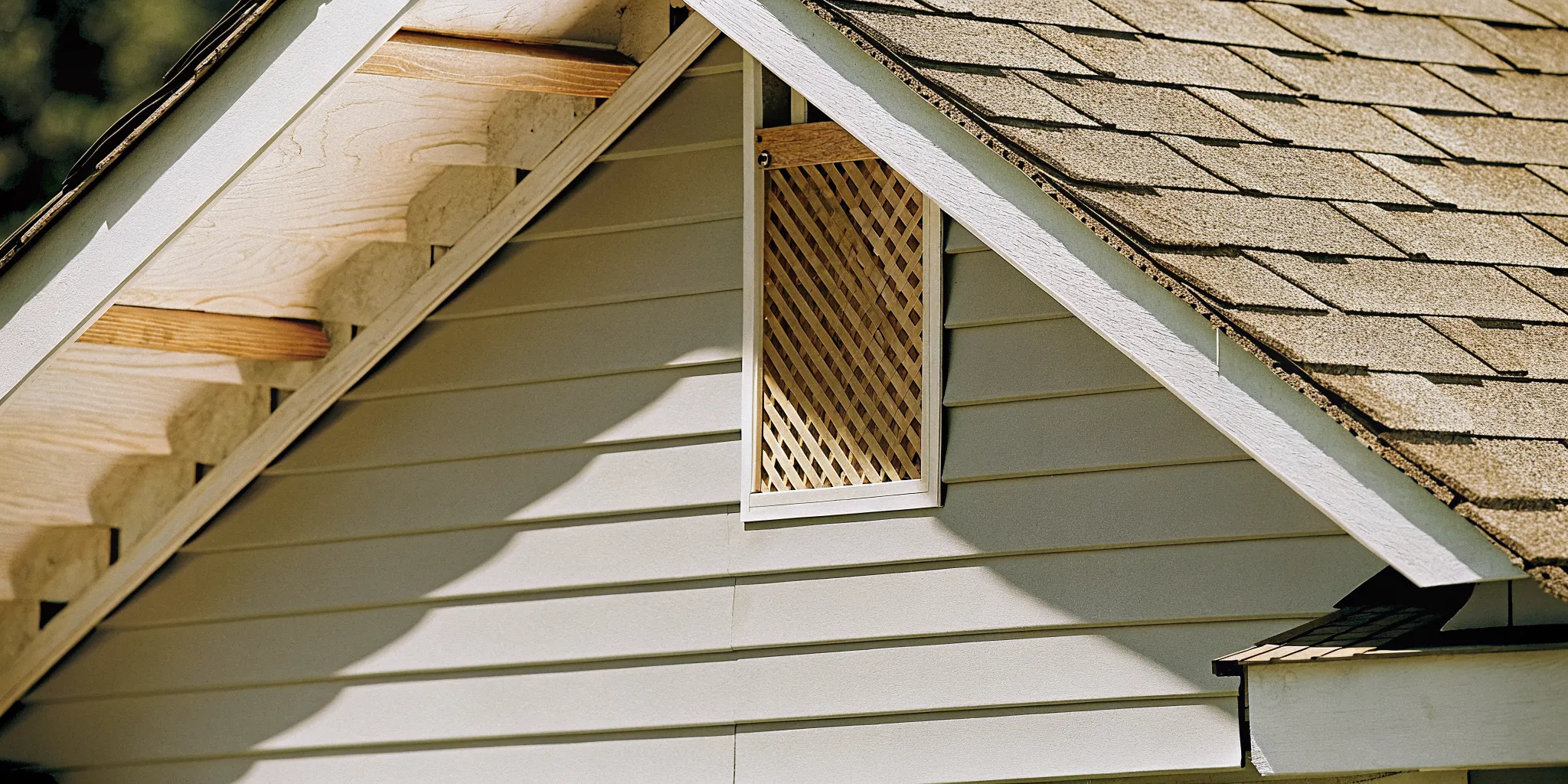
A balanced roof ventilation system works by using two main types of vents: intake and exhaust. For the system to work well, the amount of air coming in must match the amount of air going out. This balance is key for homes in the hot Texas sun. Without it, your attic can trap heat and damage your roof shingles over time.
The role of intake and exhaust vents
Intake vents are often placed along the eaves or soffits of your roof. They pull cool, fresh air from the outside into the attic space. This air moves through the attic and pushes the hot air upward toward the peak. Exhaust vents sit at the highest points of the roof, like the ridge. They let the hot, stale air escape into the outside world.
To keep your attic cool, you need both parts to work well. If you only have exhaust vents, the hot air will stay stuck in the attic. The system needs that fresh air from the bottom to create a steady flow. You can learn more about proper roof ventilation to see how this flow protects your home from heat damage.
| Feature. | Intake Vents. | Exhaust Vents. |
|---|---|---|
| Main Role. | Pulls cool air in. | Lets hot air out. |
| Placement. | Along the eaves or soffits. | At the roof peak or ridge. |
| Common Types. | Soffit vents and drip edge vents. | Ridge vents, box vents, and turbines. |
| Air Flow Path. | Starts at the bottom. | Ends at the top. |
Why air needs to move in and out
Many people think that adding more exhaust vents will make their home cooler. But having too much exhaust without enough intake can cause big problems. It may create a vacuum that pulls air from inside your home instead of from the outside. This can waste power and make your air conditioner work much harder during a Texas summer.
A balanced system uses the "net free area" to measure airflow. This is the total open space that allows air to pass through a vent. Pros aim for a 50-50 split between intake and exhaust areas. This ensures that the air moves smoothly without causing pressure issues that could pull moisture into the attic.
Meeting building codes in Texas
In cities like Houston and Austin, local codes often follow standard attic ventilation rules for safety. Most rules call for at least one square foot of vent area for every 150 square feet of attic floor. However, you can often reduce this to one square foot per 300 square feet if your system is well-balanced.
For a balanced system, half of the vent area should be at the top of the roof. The rest should be at the bottom near the eaves. This setup helps prevent moisture from building up in the humid Texas air. If you are unsure about your home, an expert roof check can verify your vent levels. Keeping your roof balanced is a smart way to lower power costs and extend the life of your home.
What are the signs of poor attic ventilation?
Common warning signs include unusually high upstairs temperatures, rising cooling bills, musty attic odors, visible moisture, blocked soffits, and shingles that appear to be aging early. One sign alone does not prove a ventilation problem, but several together justify an inspection.
- Upstairs rooms stay hotter than the thermostat setting.
- Cooling costs rise without another clear cause.
- The attic smells musty or shows moisture stains.
- Soffit vents are blocked by insulation or debris.
- Shingles curl, crack, or lose granules prematurely.
In Texas, the sun can heat your roof to high levels. If your attic does not have enough vents, this heat stays trapped. Poor airflow makes your home hard to cool and can hurt your roof over time. Knowing the early signs of a problem can help you save money on repairs and power bills.
High indoor heat and power bills
One of the first signs of poor roof ventilation in Texas is a house that stays hot. You may notice that rooms on the top floor feel like ovens during the day. This happens because a hot attic pushes heat down through your ceiling. When this heat builds up, your cooling system must work much harder to keep you comfortable.
Check your monthly power bills for any big jumps. Poorly ventilated attics reach high heats that are far higher than the air outside. This extra heat puts a heavy load on your HVAC unit. If your AC never seems to stop running, your attic may lack the proper roof ventilation needed to let hot air out.
Visible mold and moisture
Texas has high humidity, especially in cities like Houston. When damp air gets stuck in your attic, it can turn into liquid on cold surfaces. You might see dark spots or mold growth on your wood beams. In some cases, you may even notice a musty or mildew odor when you open the attic hatch. This moisture can also lead to wood rot if you do not fix the airflow.
Look for signs of water damage on your attic floor or roof deck. This moisture can also cause metal parts like nails or fasteners to rust. To stop wood rot, you must keep airflow paths clear and open. Experts recommend that debris must be cleared from all vent openings to keep them working well. This includes your ridge vents and your soffit vents under the eaves.
Damaged roof shingles
Extreme heat can "cook" your roof from the inside out. When an attic stays too hot, it causes asphalt shingles to age much faster than they should. You may see shingles that curl at the edges or lose their small stony granules. This wear makes your roof weak and prone to leaks during big storms. In many cases, shingles can crack or become brittle because they cannot release the heat from below.
Check your gutters for these granules or look for bare spots on your roof from the ground. If your shingles look worn out after only ten years, poor airflow is a likely cause. A professional roof inspection can find these issues before they lead to a full roof failure. An expert can also check if your insulation is blocking your soffit vents. If insulation covers these vents, fresh air cannot enter to push the hot air out.
How ventilation helps protect your roof and home
Proper proper roof ventilation is more than just a way to cool your attic. It is a key part of your home's structure that helps stop heat and moisture from hurting your roof. In the hot and humid climate of Texas, air must move well to keep shingles from getting too hot. When heat builds up, it can cause shingle granules to crack or fall off early, which leads to shingle damage and premature roof aging. Airflow helps keep your roof system strong for a longer time.
Stopping heat and wood rot
High heat in your attic does more than just raise your light bill. It can also trap moisture that turns into water on the wood under your shingles. This moisture is a main cause of mold and wood rot in Texas homes. A good importance of roof vents is that they let hot air out so cool air can come in. This cycle keeps the attic dry and stops mold from growing on your rafters. Keeping these areas dry helps your home stay safe from structural harm caused by rot.
Rules for roof airflow
Most building codes say you need at least one square foot of vent space for every 150 square feet of attic floor. This standard minimum attic ventilation ratio ensures that air can move freely. You may be able to use a 1:300 ratio if you have vents at the top and bottom of your roof. This balance of intake and exhaust air is vital for ventilation and insulation to work well together. If your vents are blocked by dirt or insulation, they cannot do their job to protect your home.
Better comfort and lower strain
When air moves well, your air conditioner does not have to work as hard. Removing hot air from the attic reduces the load on your cooling system. This helps your HVAC last longer and keeps your rooms more comfortable during the peak of summer. Using the right summer roof protection tips can help you find small issues before they become big costs. A quick check of your vents is often the best way to start protecting your roof and your budget.
Which roof vents work best for Texas homes?
Texas heat is a big challenge for any roof. In the Houston and Austin areas, attic heat can rise far above the outside air. This heat puts a huge strain on your air conditioning. It can also cause shingles to age early or crack. Picking the right vent system helps protect your home and keep costs low.
Common exhaust vent types
Most homes use a mix of intake and exhaust vents to move air. Ridge vents are a top pick for Texas homes because they sit at the peak of the roof. This lets hot air out naturally along the full ridge. Other choices include box vents, which are small hoods that let air out. Some use wind turbines that spin to pull air from the attic. For large sites, proper roof ventilation may need fans to force hot air out faster.
Balanced airflow and intake
A good vent system needs balance. You should aim for a 50-50 split between intake and exhaust air. Soffit vents under the eaves are a common intake source. They pull cool air in as hot air leaves through the top. Building codes often need one square foot of vent area for every 150 square feet of attic space. But city standards may allow a lower 1:300 ratio if your vents are placed well.
The risk of mixing vents
It might seem smart to add as many vents as possible. But mixing types can cause problems. If you put a fan near a ridge vent, it can "short-circuit" the flow. The fan might pull air from the ridge vent instead of the soffits. This leaves most of your attic still and hot. Our team at Elevation Roofing can check your roof. We ensure your airflow is clear and works well.
How to improve roof ventilation in a Texas home
Improving ventilation starts with diagnosis, not simply adding more vents. A roofer should measure intake and exhaust capacity, check for blocked air paths, and confirm that different exhaust systems are not competing with one another.
- Inspect soffit and eave intake vents for insulation, paint, or debris.
- Measure the attic floor area and calculate required net free ventilating area.
- Compare intake capacity with exhaust capacity at the roof peak.
- Correct blocked airflow paths before adding new vents.
- Recheck the system after roof replacement, insulation work, or remodeling.
Fixing the airflow in your attic is a key step for any Texas owner. In places like Houston and Austin, the sun can heat your roof to high levels. Without a way to escape, this heat sits in your attic and cooks your shingles from the inside out. Boosting your roof ventilation texas needs can lower your power bills and stop wood rot. You can take a few simple steps to see if your home is ready for a change.
Look for signs of heat and moisture
Before you make any changes, you should check for common warning signs. If your AC runs all day but your house still feels warm, your attic may be too hot. Walk through your home and feel the ceiling on the top floor. If it is hot to the touch, your roof is likely trapping heat. You should also look at your roof from the street to see if the shingles look wavy. These are clear signs that your roof cannot breathe.
Moisture is another big risk in the humid Texas air. Check your attic for any dark stains on the wood or a musty smell. These issues often mean that damp air from your rooms is getting stuck. A proper roof ventilation setup will pull this damp air out before it causes mold. Fixing these problems now will save you from costly repairs later.
- Inspect your intake vents for any dirt or trash. These vents are usually under the eaves of your roof and let cool air into the attic. If they are clogged with paint, dust, or nests, the whole system will fail.
- Check your attic insulation to see if it blocks the path of the air. You should be able to see light coming in from the eaves. If the gap is closed, you may need to add baffles to hold the insulation back.
- Make sure all exhaust fans from your home lead to the outside. Building rules from the PNNL Building America Solution Center say that fans should never vent into the attic. This simple check stops moisture from building up on your roof deck.
- Look for a balance between your intake and exhaust vents. You want an equal amount of air coming in at the bottom and going out at the top. This balance keeps the air moving so it does not get stale.
- Talk to a pro about your vent ratio. Most homes need one square foot of vent space for every 150 square feet of attic floor. A roofer can check your attic to see if you have enough airflow.
- Plan your vent upgrades with your next roof repair. It is much easier and cheaper to add new ridge vents or soffits when a crew is already working on your roof.
What to ask your roofing expert
When you hire a pro, ask them to check your intake and exhaust balance. A good roofer will look at more than just the shingles. They will check your soffits and the peak of your roof to see how air moves. They should also look for leaks or damp spots that might show a vent is not working. By asking for a full check, you ensure your new roof will stay cool and dry for years to come.
When should a Texas homeowner request an inspection?
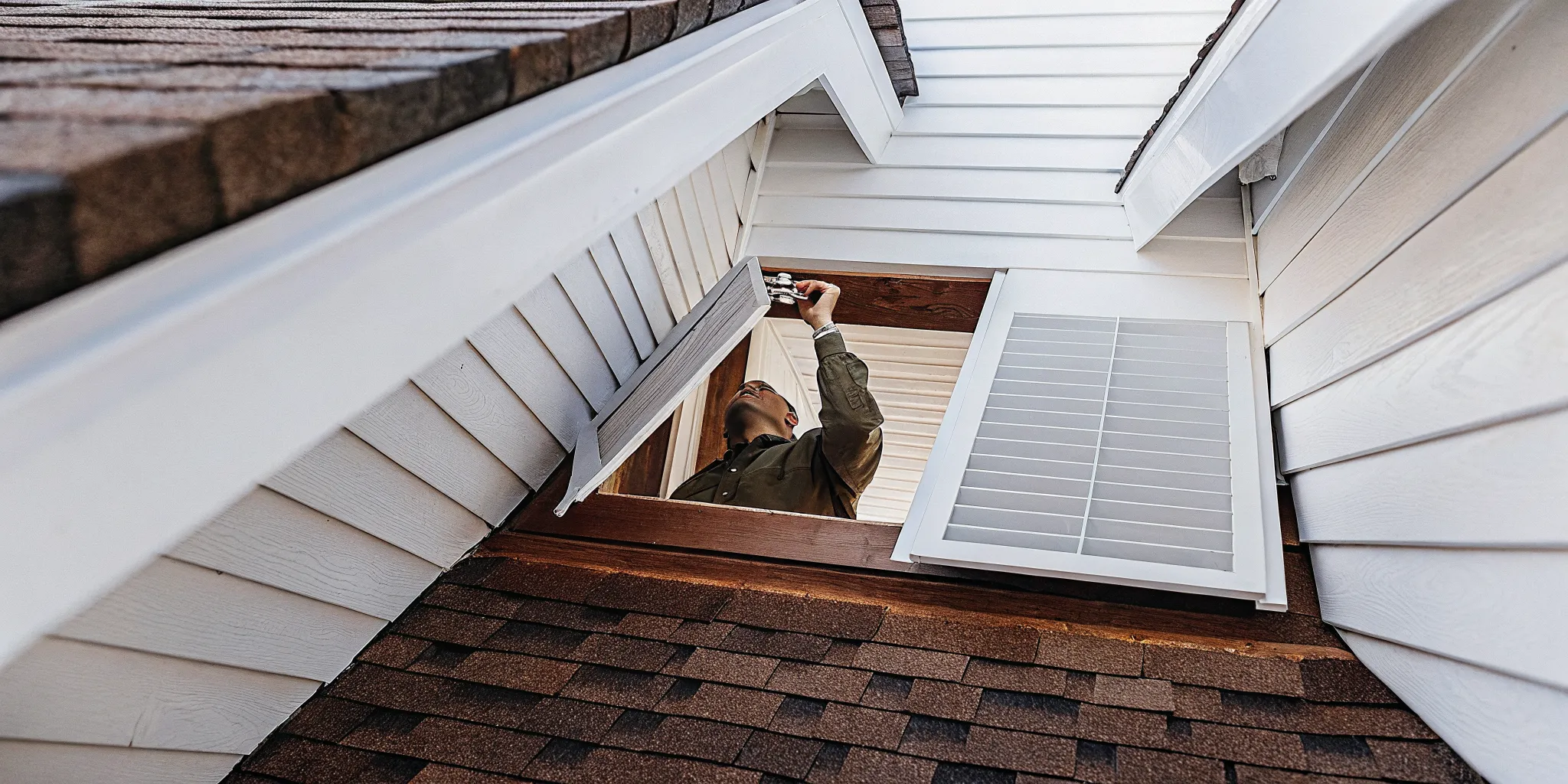
Request an inspection when comfort problems, moisture, roof wear, or storm-related changes suggest the attic airflow may no longer be balanced. An inspection is also useful before a roof replacement because vent selection and placement should be planned as part of the full roof system.
Homeowners in Houston and Austin face weather that can age a roof fast. Knowing when to call a pro can help you catch small issues before they turn into big repairs. Most experts suggest a full check at least once per year or after any big storm in Central Texas.
Signs of poor airflow
You may need a check if your home stays too hot in the summer or if your power bills spike. Poor proper roof ventilation can cause heat to build up in your attic. This heat often moves into your rooms, which puts a big strain on your AC. If your upstairs rooms feel much warmer than your ground floor, it is time to check your vents.
Look for signs on your roof as well. High heat in a poorly vented attic can cause shingles to age fast, crack, or lose their grit (Quality Exteriors). In humid cities like Houston, low airflow also leads to wet spots. This often causes mold or wood rot on your roof deck. If you see dark spots on your ceiling or smell a damp odor, ask for a look right away.
After storms and remodeling
Texas storms can bring high winds and hail that damage your importance of roof vents and shingles. Even if you do not see a leak, small cracks can let water in over time. A check is vital after a storm to make sure your roof stays dry. A local pro can find hidden damage that you might miss from the ground.
You should also call for a check if you just added insulation or changed your attic. New insulation should never block your eave or soffit vents (PNNL). A roofer can check that your roof ventilation texas system still has a good mix of air in and air out. This step helps your home stay cool and your roof stay strong.
Preparing for roof replacement
If you plan to replace your roof, a check is a key first step. It lets the roofer see your current vent setup and suggest better ways to move air. In hot areas, using ridge vents with solar fans can help keep attic heat low (Honest Roof). Getting an expert view early helps you pick the best system for your Texas home.
Frequently Asked Questions
What is the best attic vent for Texas?
Ridge vents are often the best choice for Texas homes. These vents run along the peak of the roof and let hot air escape on its own. This process works well during long and hot summer days in Houston and Austin. According to HonestRoof.com, combining ridge vents with low output solar fans can create a great way to cool your attic. This balanced setup helps keep your home cool and reduces the load on your AC unit.
Do I need an attic fan in Texas?
An attic fan can be very helpful in the Texas heat. It pulls hot air out of your attic and brings in cooler air from outside. This stops heat from building up and moving into your rooms. Proper attic airflow is vital to stop high moisture levels that can harm your roof frame. You should talk to a pro to see if a fan is right for your home.
What is the code for roof ventilation in Texas?
Most building codes need at least one square foot of vent space for every 150 square feet of attic floor. This ratio can sometimes be smaller if you have a balanced system of intake and exhaust vents. As stated by official rules, you must keep at least one inch of clear space between your roof and your insulation. This ensures that air can flow freely through your attic space.
How does poor ventilation damage my roof?
Poor airflow causes extreme heat to stay in your attic. This heat can bake your shingles from the inside out. Over time, shingles may lose their grit or start to crack. High moisture can also lead to mold and rot in your roof wood. According to Quality Exteriors ATX, these issues often lead to a much shorter roof life and very high repair costs for Texas owners.
Ready to schedule your free roof inspection?
If you leave your roof without good air flow in the Texas sun, the heat will bake your shingles. This trapped air causes your roof to fail early and makes your AC work too hard. Waiting to fix these issues leads to leaks and wood rot that cost a lot to repair. These hidden costs grow every month that you put off a basic vent check. A simple visit now saves you money and keeps your home safe from summer storms. Our team in Houston and Austin can find small problems today before they turn into big ones. You can get a free roof inspection now to make sure your house stays cool and dry. This easy step helps your roof last for many more years in the harsh Texas heat.
Ready to schedule a free roof inspection? Call (832) 271-1726 to book your visit.